Understanding Guarantor Liability in Corporate Rehabilitation
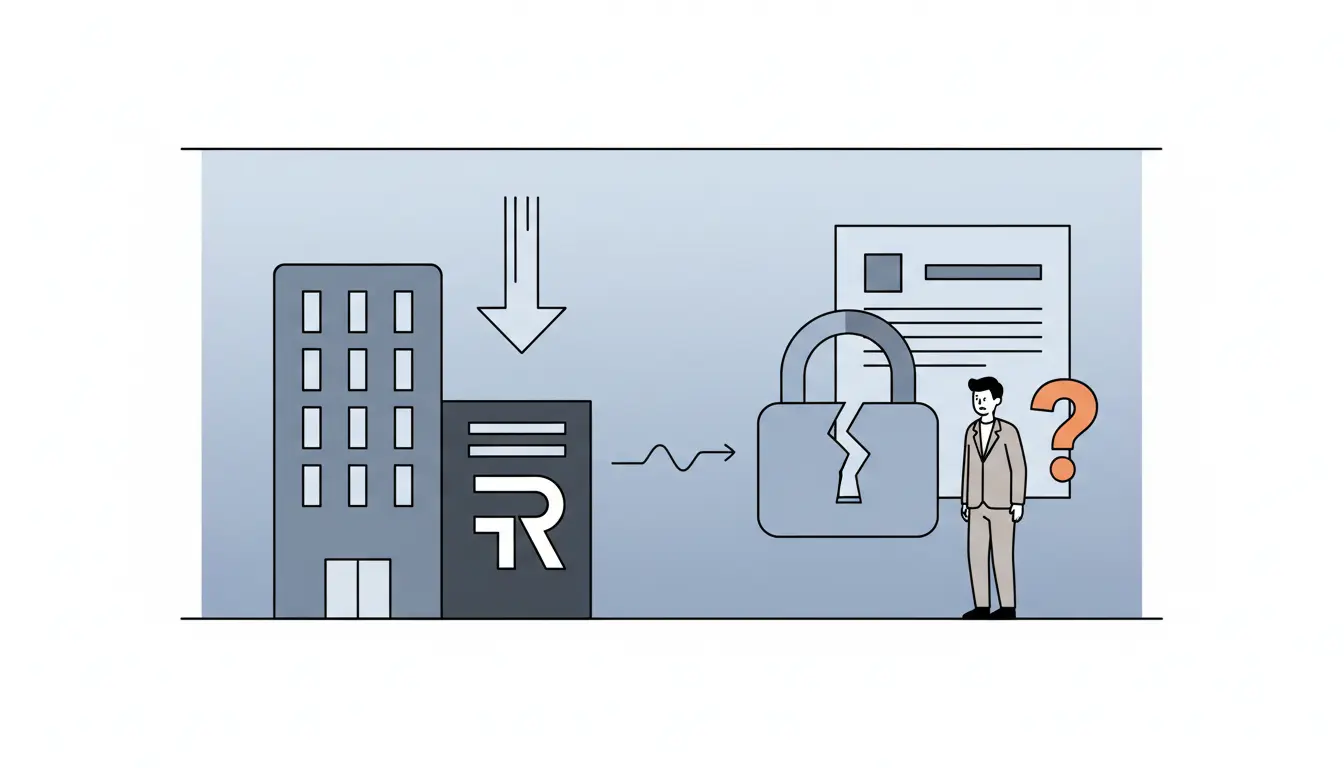
When a company faces financial distress and enters corporate rehabilitation (reconstruction), its debts are often significantly reduced or the payment schedule is adjusted to help the business survive. However, for those who have provided a joint guarantee for the company’s debts, the rules are different.
The Legal Principle: Protection of the Creditor
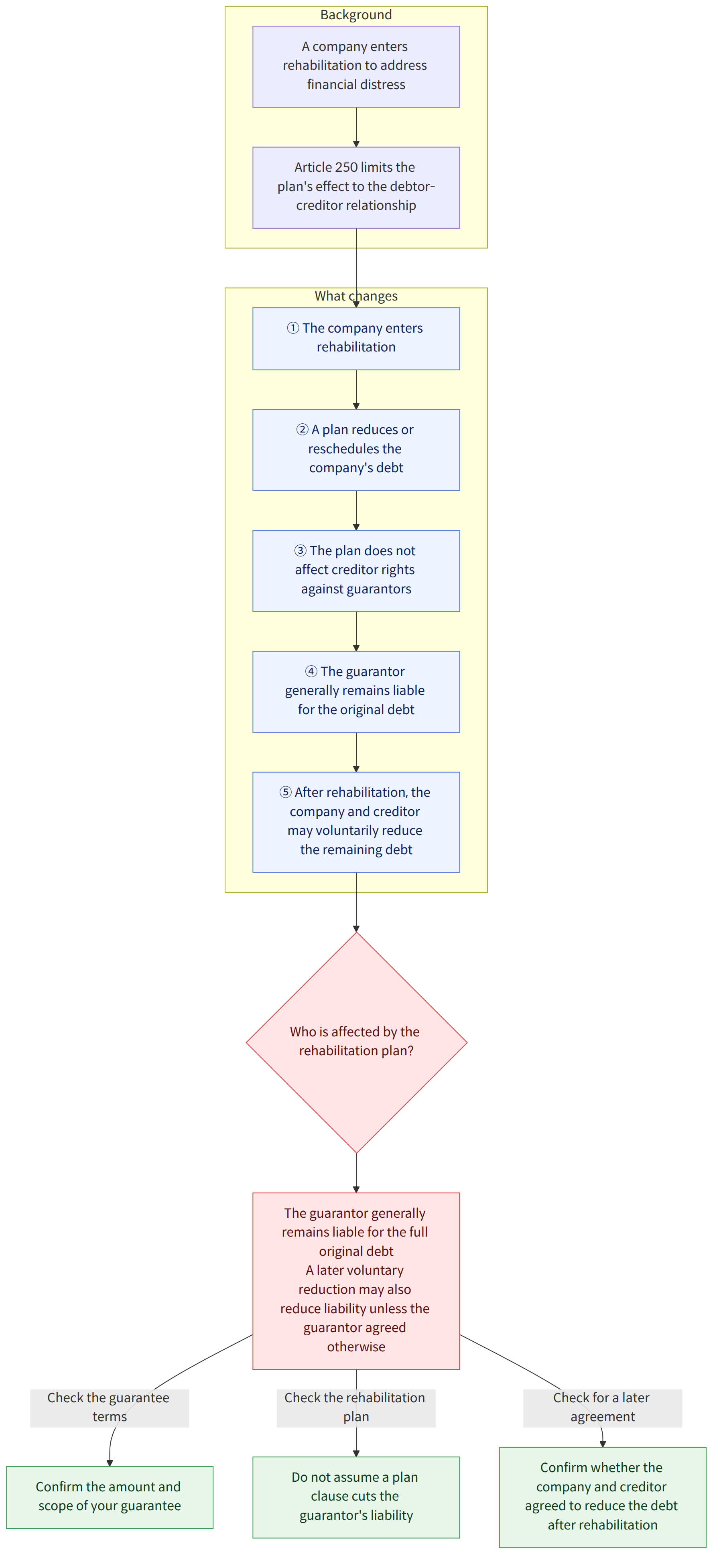
Under Article 250 of the Debtor Rehabilitation and Bankruptcy Act, a rehabilitation plan only affects the relationship between the debtor (the company) and its creditors. It specifically states that the plan does not affect the rights of a creditor against a guarantor or other co-debtors.
Key Legal Fact: Even if a company’s debt is reduced by 80% through a court-approved plan, the guarantor remains legally obligated to pay 100% of the original debt to the creditor.
Why Doesn't the Reduction Apply to Guarantors?
The Korean Supreme Court has clarified this based on two main points:
- Purpose of Rehabilitation: The goal is to rebuild the company by lightening its load. Extending this benefit to guarantors would unfairly force the creditor to lose even more money, potentially destabilizing the financial system.
- Validity of the Plan: Any clause in a rehabilitation plan that attempts to exempt or reduce a guarantor's liability is considered invalid, even if it was included in the court-approved document.
Are There Any Exceptions?
There is a specific scenario where a guarantor’s burden might be reduced:
- If, after the rehabilitation process is completed, the company and the creditor voluntarily agree to further reduce the remaining debt.
- In this case, the guarantor’s liability may decrease along with the main debt due to the 'accessory nature' of guarantees (unless the guarantor agreed otherwise).
Summary for Foreign Residents
If you have guaranteed a business loan for a company in Korea and that company goes into rehabilitation, do not assume your debt is also cut. You will likely be held responsible for the entire original balance. Before providing a guarantee, always consult with a legal professional to understand the risks involved.
This information is for general guidance and should not be taken as professional legal advice.