Section 1 — A Human Story
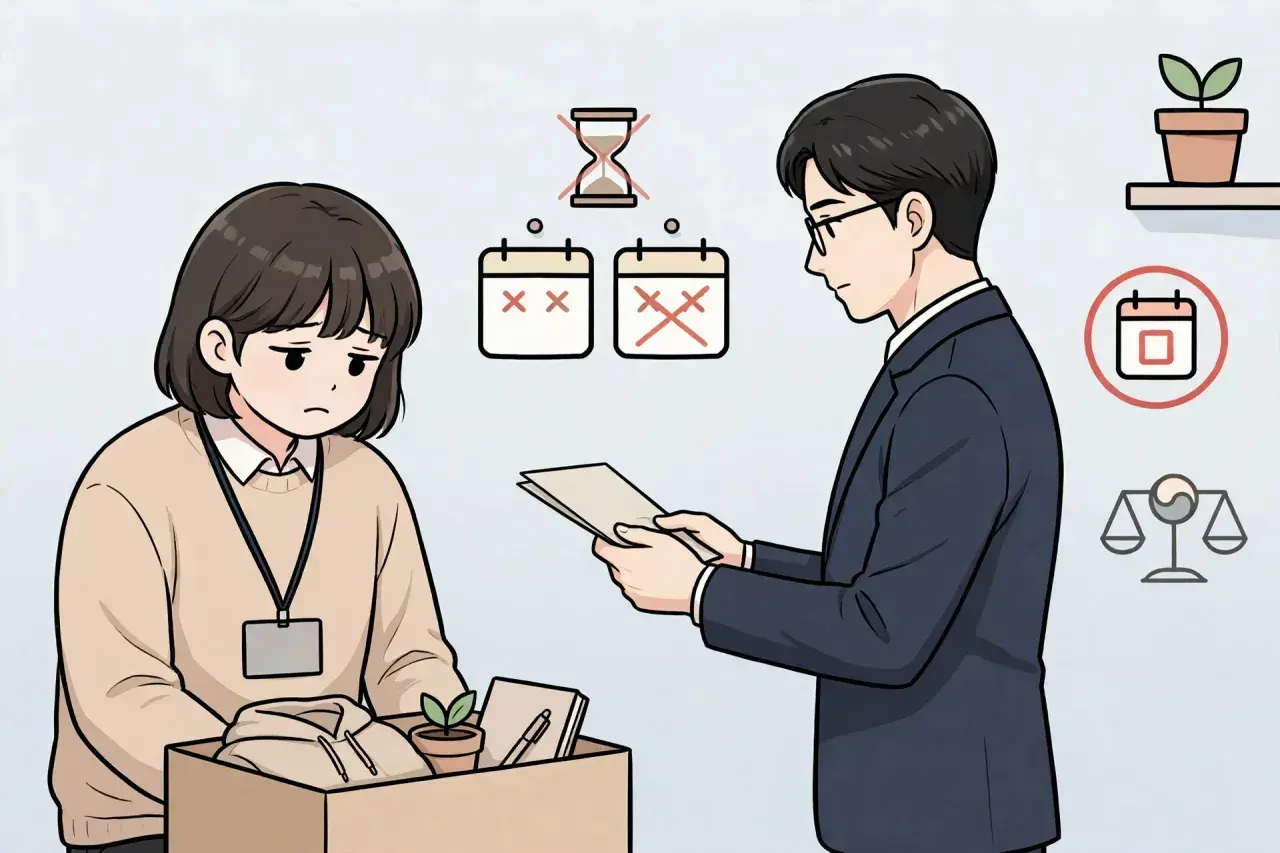
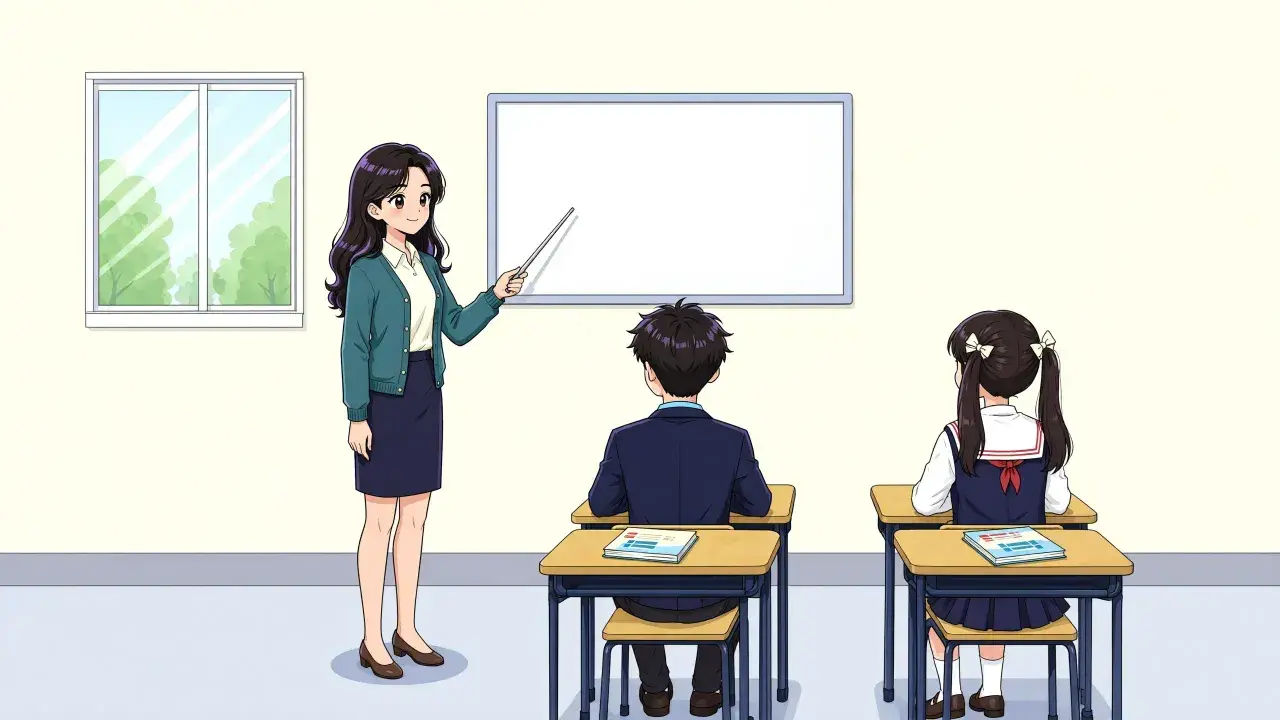
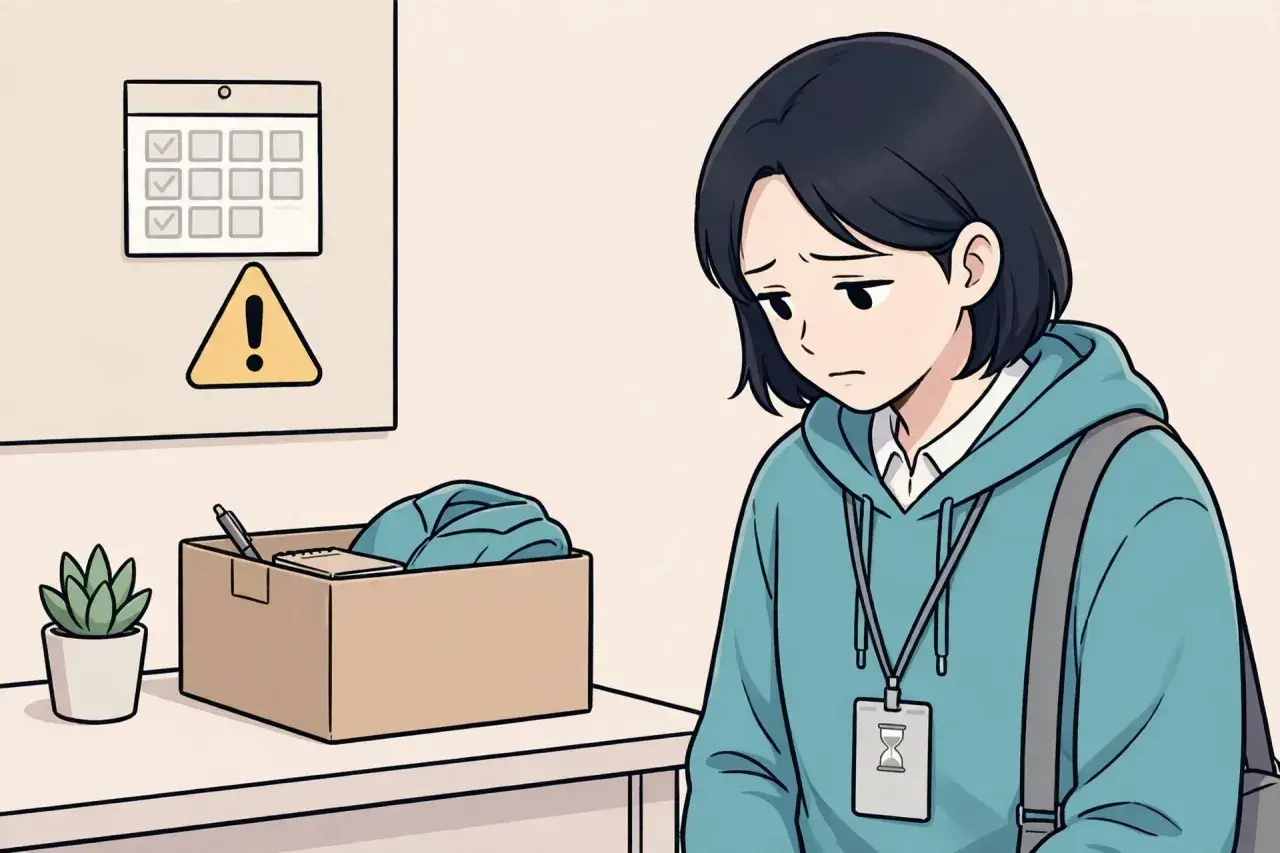
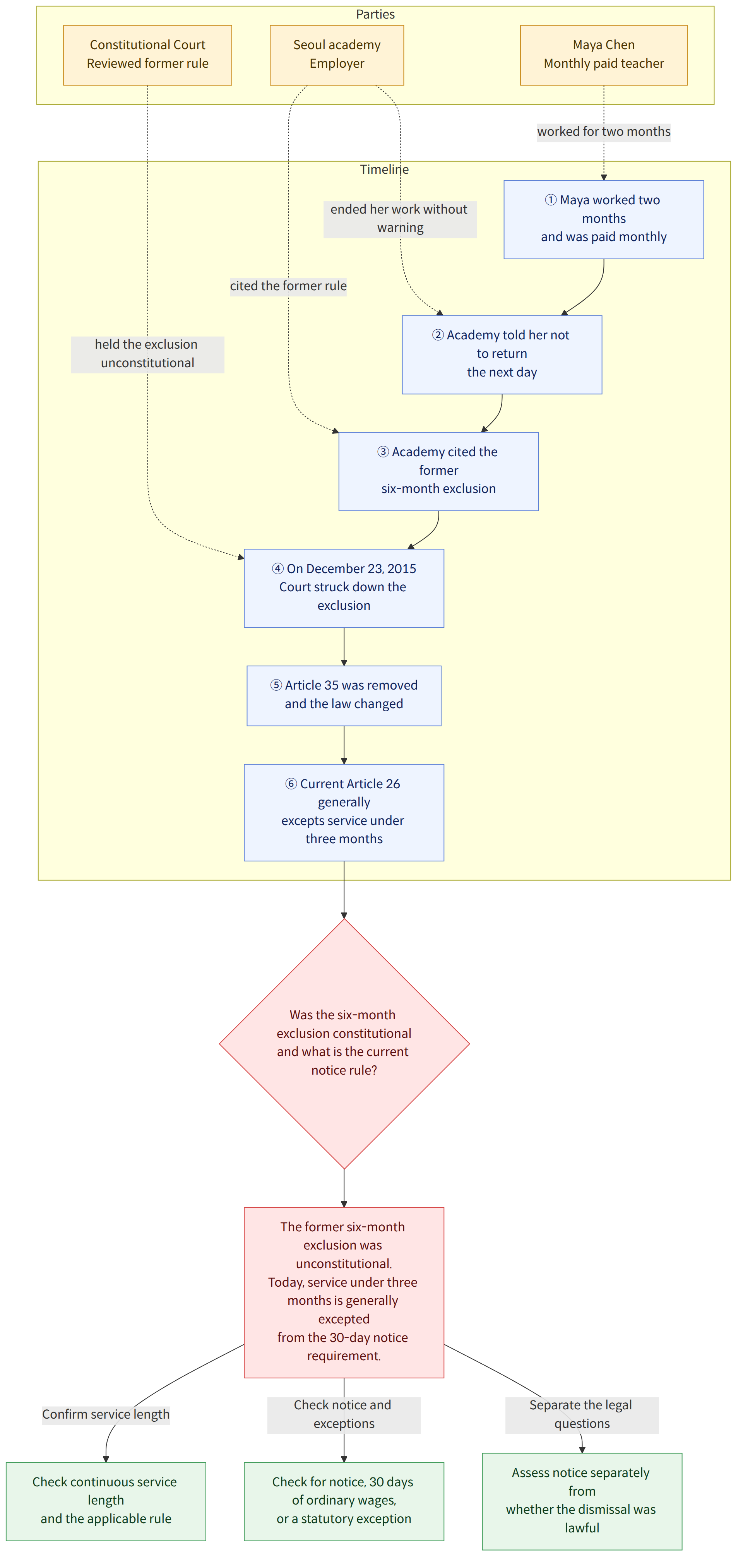
Maya Chen had been teaching English at a small academy in Seoul for two months. She was still learning the students’ names when, at the end of an ordinary workday, the director called her into his office. There was no warning, no transition period, and no suggestion that she had done anything seriously wrong. She was simply told that the academy no longer needed her and that she should not come in the next morning.
Maya was paid monthly and had expected the job to continue. When she asked whether she would receive advance notice or pay instead, the director pointed to a rule he said applied to workers who had not yet completed six months. Maya’s question was bigger than the money: could the law really leave a worker with no time to prepare for losing a job merely because she was new?
Section 2 — The Legal Question
The central question is whether Korea could constitutionally deny dismissal-notice protection to a monthly paid worker solely because she had worked for less than six months—and what that history means for a worker dismissed today.
Section 3 — What Korean Law Says
Korea’s dismissal-notice rule is separate from the question of whether an employer has a valid reason to dismiss someone. Under Article 26 of the Labor Standards Act, an employer generally must give at least 30 days’ notice or pay ordinary wages for 30 days instead. The Act also recognizes limited exceptions.
The historical rule at issue appeared in Article 35 of the Act. It excluded a monthly paid employee who had worked for less than six months from Article 26’s notice requirement. In December 2015, the Constitutional Court held that this exclusion was unconstitutional.
The Court reasoned that advance notice helps protect a worker from the sudden loss of livelihood. Because monthly paid workers with less than six months’ service could still reasonably expect their employment to continue, their short service alone did not justify denying them that protection.
The ruling rested on two connected principles:
- The right to work: Protection against abrupt loss of employment is part of the minimum conditions needed to safeguard a worker’s dignity and livelihood.
- Equality: Workers should not be treated differently without a reasonable basis. A short period of service, by itself, did not justify excluding monthly paid workers from notice protection.
The law has since changed. Article 35 was removed, and the current Article 26 generally makes an exception for an employee whose continuous employment has been less than three months. Other narrow exceptions also apply, including certain situations involving unavoidable business interruption or serious intentional misconduct as defined by law.
The six-month exclusion considered unconstitutional in 2015 is not the current rule. Today, a worker with less than three months of continuous service will generally fall within a statutory exception to the 30-day notice requirement.
Section 4 — How Korean Courts Approach This
Korean courts and the Constitutional Court look at what a rule does in practice, not merely how it is labelled. Calling someone “new,” “temporary,” or “on probation” does not automatically answer whether the law protects that person. The key questions include what the statute says, how long the person has actually worked, and whether a legally recognized exception applies.
The Constitutional Court’s 2015 approach was grounded in the purpose of notice: giving workers time to seek another job or prepare for the financial shock of unemployment. It treated that protection as an important minimum employment condition, and found no adequate reason to deny it to monthly paid workers simply because they had not reached six months of service.
That decision did not establish that every dismissal is unlawful. Notice and the validity of the dismissal are different issues. A worker may be owed notice or notice pay even if the employer has a reason to end the employment; conversely, giving notice does not necessarily make an otherwise unlawful dismissal valid.
Section 5 — Applying the Law to the Case
Maya’s situation can be assessed in several steps.
- Her pay arrangement and service period mattered under the old rule. Maya was paid monthly and had worked for only two months. Under the former Article 35 wording, the academy could have tried to rely on the six-month exclusion.
- The Constitutional Court rejected that exclusion. In its decision of December 23, 2015, the Court held that excluding monthly paid workers with less than six months’ service violated the right to work and the equality principle. After that ruling, an employer could not properly rely on that unconstitutional six-month provision as a blanket reason to withhold notice protection.
- Notice and the reason for dismissal must be considered separately. If Maya’s circumstances were assessed under the law after the 2015 ruling, and no other statutory exception applied, the general rule would require 30 days’ notice or 30 days’ ordinary wages instead. Whether the academy also had a legally sufficient reason to dismiss her would be a separate question, depending on the applicable protections and the facts.
- The law today produces a different result for a two-month worker. Since the later amendment, an employee with less than three months of continuous service is generally within an exception to Article 26. So a worker in Maya’s position today may not be entitled to the 30-day notice or substitute payment solely under that provision, even though the earlier six-month exclusion was unconstitutional.
The distinction is important: the 2015 ruling invalidated a particular six-month rule; it did not freeze the law permanently or guarantee notice to every short-service employee under today’s statute.
If you are dealing with a similar issue, attorney Ji-sun Ahn of Ijun Law Firm can review the employer’s notice, the relevant workplace rules, and communications about the reasons and timing of the decision with you. These details can help clarify which options apply to your situation.
Section 6 — Conclusion: What Happened, and What Should You Do?
Maya was right to question the academy’s reliance on the old six-month rule. The Constitutional Court concluded in 2015 that the rule treated monthly paid workers unfairly and denied them a basic safeguard against sudden unemployment. Under the law after that ruling, an employer could not use that invalidated provision alone to avoid the general notice requirement. But the ruling did not automatically decide whether any particular dismissal was justified or what compensation an individual worker would receive.
For someone dismissed today after two months, the answer is different: the current statute generally exempts employees with less than three months of continuous service from the 30-day notice requirement. Other legal protections may still matter, and the facts should be checked carefully.
If you are in a similar situation:
- Keep your records: Save your contract, wage statements, work schedules, messages, and any written explanation for the dismissal. These can help establish your pay arrangement, start date, and the employer’s stated reason.
- Check the law that applied on the dismissal date: Notice rules have changed. Confirm the relevant version of Article 26 and whether a statutory exception fits your circumstances.
- Separate the issues and act promptly: Ask whether you are owed notice pay, whether the dismissal itself was lawful, and whether another remedy is available. Seek advice from a qualified labor professional or the relevant labor authority, especially if deadlines may apply.