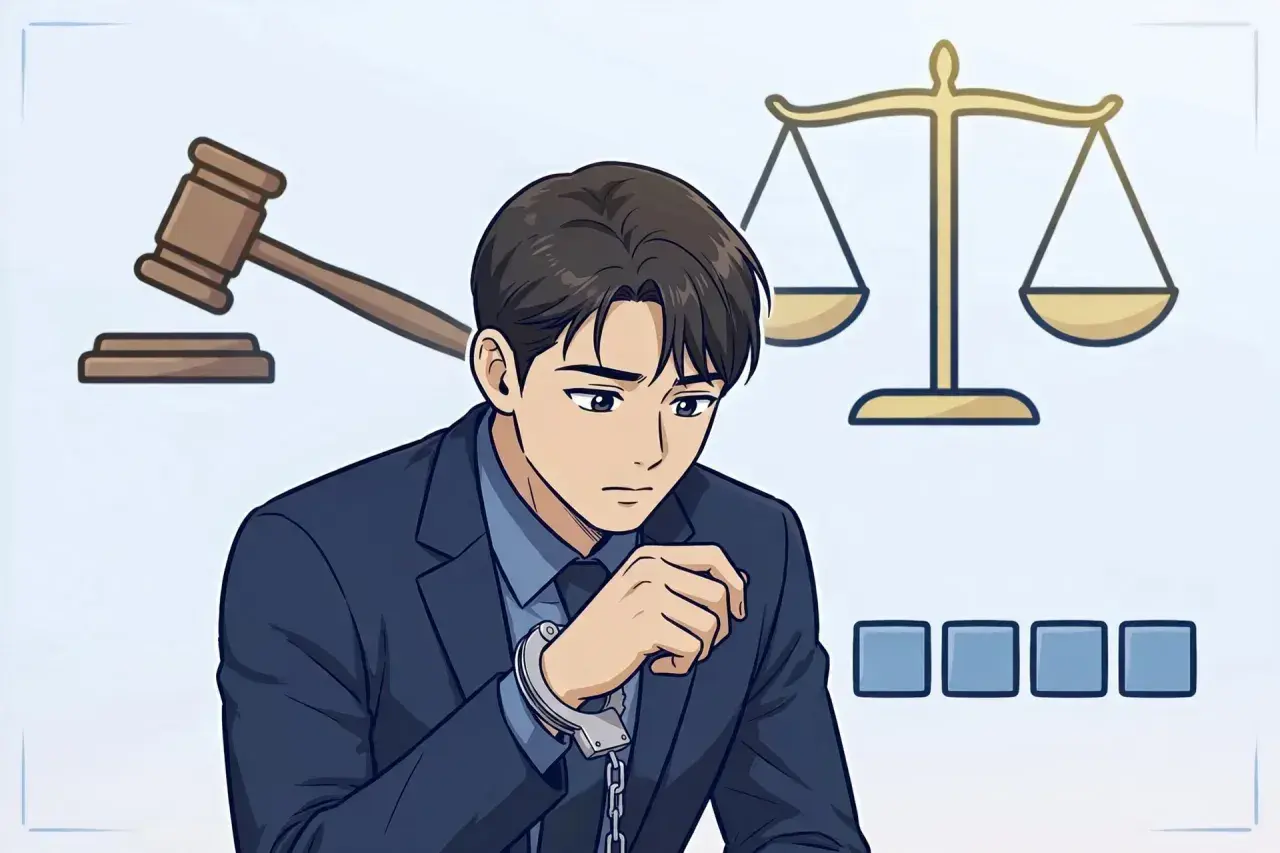
Why do celebrities drink and drive when they can afford to hire a chauffeur and may receive help from people around them? An arrest for drunk driving can damage their public image and force them to suspend their activities, yet the question of why some celebrities get behind the wheel again even after being punished has continued to arise.
The former CNN entertainment program “Showbiz Tonight” (쇼비즈 투나잇) looked at the cases of Lindsay Lohan, Nicole Richie, and Paris Hilton, asking why they did not hire chauffeurs despite having the money and means to do so. The program cited an environment that does not restrain risky behavior, attitudes shaped by preferential treatment, and ongoing drinking problems as possible contributing factors.
Background and context
The question raised by these cases is not simply whether someone can afford to call a chauffeur. Having financial resources or being able to rely on help from people around them may not, by itself, prevent risky behavior. However, the original source does not establish specific psychological reasons why each celebrity made the same choice again.
In a 2007 interview on CNN’s “Larry King Live” (래리 킹 라이브), Paris Hilton discussed her drunk-driving case. She said she had one drink and was on her way to a restaurant a few blocks away, and acknowledged that she should not have been driving. These remarks alone do not establish the specific penalties in the case or its later consequences for her career.
What this story means
For celebrities, the prospect that drunk driving can damage their public image and lead to a suspension of their activities is particularly prominent. But knowing there is a risk of arrest and punishment, or being able to call a chauffeur, does not automatically change someone’s behavior. In that sense, the story asks, “Why can’t people avoid danger when they have the means to do so?” The contributing factors cited by the program are possible explanations, not a definitive conclusion about the cause of each celebrity’s behavior.
For example, if someone plans to go somewhere nearby after drinking, the judgment that the destination is close and the fact that they should not drive are separate matters. Hilton said the restaurant was a few blocks away, but acknowledged that she should not have been driving. The case prompts consideration of the fact that a short distance does not make driving appropriate.
A celebrity’s financial resources or help from people around them may provide options for avoiding drunk driving, but they do not guarantee that risky choices will not be repeated.
Relevant laws and support information
A Korean legal guide explains that the assessment of a drunk-driving case may depend on the circumstances as a whole, including why and how a sobriety test was requested, the driver’s conduct, and the circumstances of any refusal. The offense of refusing a sobriety test (음주측정불응죄) is not determined simply by the fact that someone did not take the test. The assessment also considers whether there were reasonable grounds to believe the person was intoxicated and whether it was objectively clear that they did not intend to comply with the test.
According to the guide, a driver’s consent is required to undergo a blood test instead of a breath test if they dispute the breath-test result. Drunk driving may also be punishable in places other than roads, but the specific application of the law may vary depending on the location and circumstances of the case. This guide concerns Korean law and does not set standards that apply directly to the overseas celebrity cases discussed here.
Because the laws and standards in effect at the time of an incident may vary, in an actual case it is important to review the circumstances surrounding the request for a test, the response, and any relevant records together.
The reason and method for requesting a sobriety test, and the circumstances of the driver’s response or refusal, may affect how a case is assessed. If you are dealing with an actual case, you can review any materials you have, including test-related records and whether consent was given for a blood draw, together with attorney Ji-sun Ahn of Ijun Law Firm.
What is confirmed and what remains unknown
What is confirmed
- The original source says that when a celebrity is arrested for drunk driving, their public image may be damaged and they may have to suspend their activities.
- The original source reports that some celebrities get behind the wheel again after being punished.
- “Showbiz Tonight” covered the cases of Lindsay Lohan, Nicole Richie, and Paris Hilton.
- In a 2007 interview, Hilton said she had one drink and was on her way to a restaurant a few blocks away, and acknowledged that she should not have been driving.
What remains unknown
- What specific psychological reasons led the celebrities mentioned to repeat drunk driving?
- What penalties were actually imposed in each case, and what consequences did they have for the celebrities’ careers?
What readers should check
- If a situation involves a sobriety test, check whether records or other materials can confirm why and how the test was requested, as well as your response and the circumstances of any refusal.
- If a blood test was conducted after a breath-test result was disputed, it is important to check whether consent to the blood draw was given and whether that consent was valid.
- Because the assessment of a specific case may vary depending on the location and the laws in effect at the time, check the relevant records and when the applicable laws took effect.