1. A Human Story
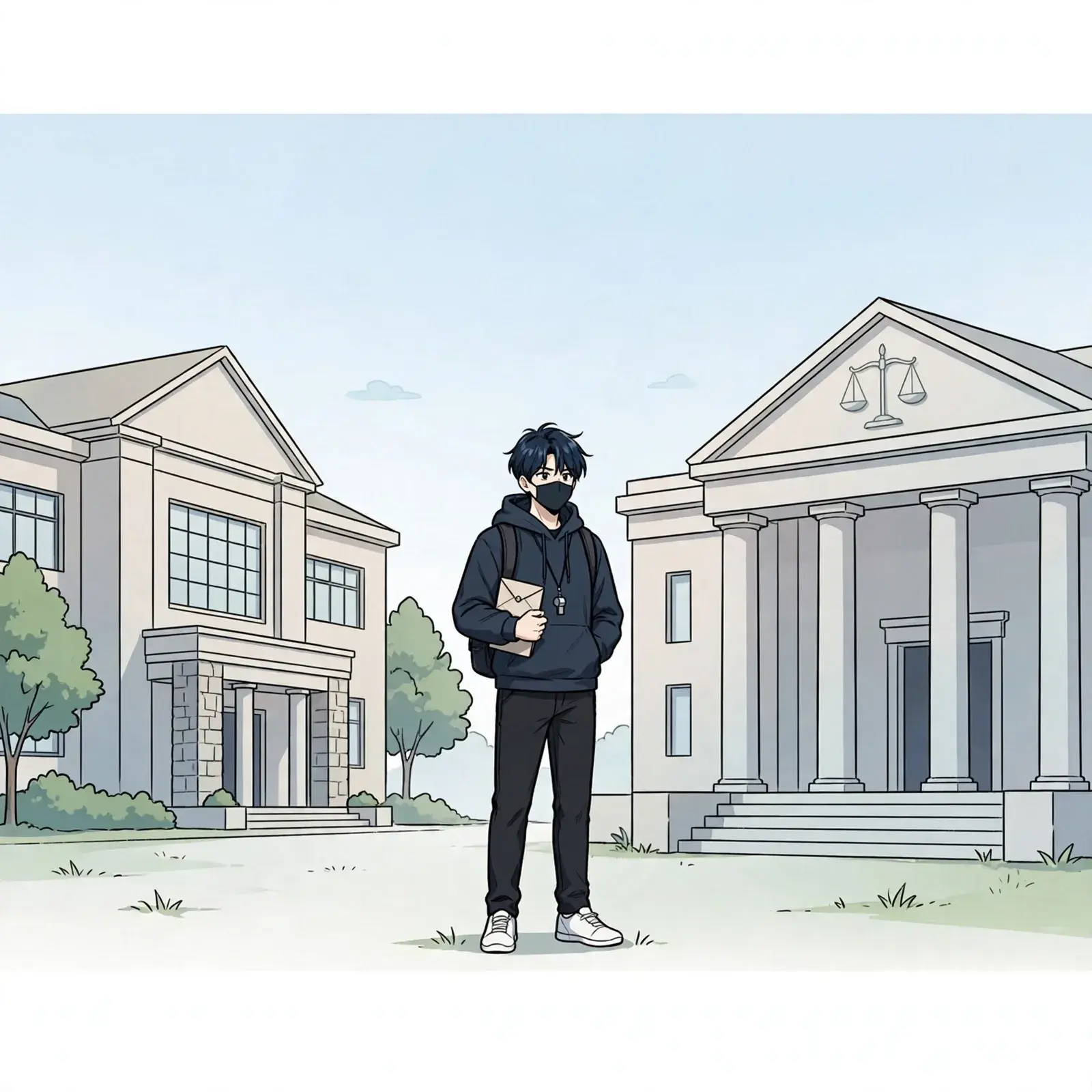
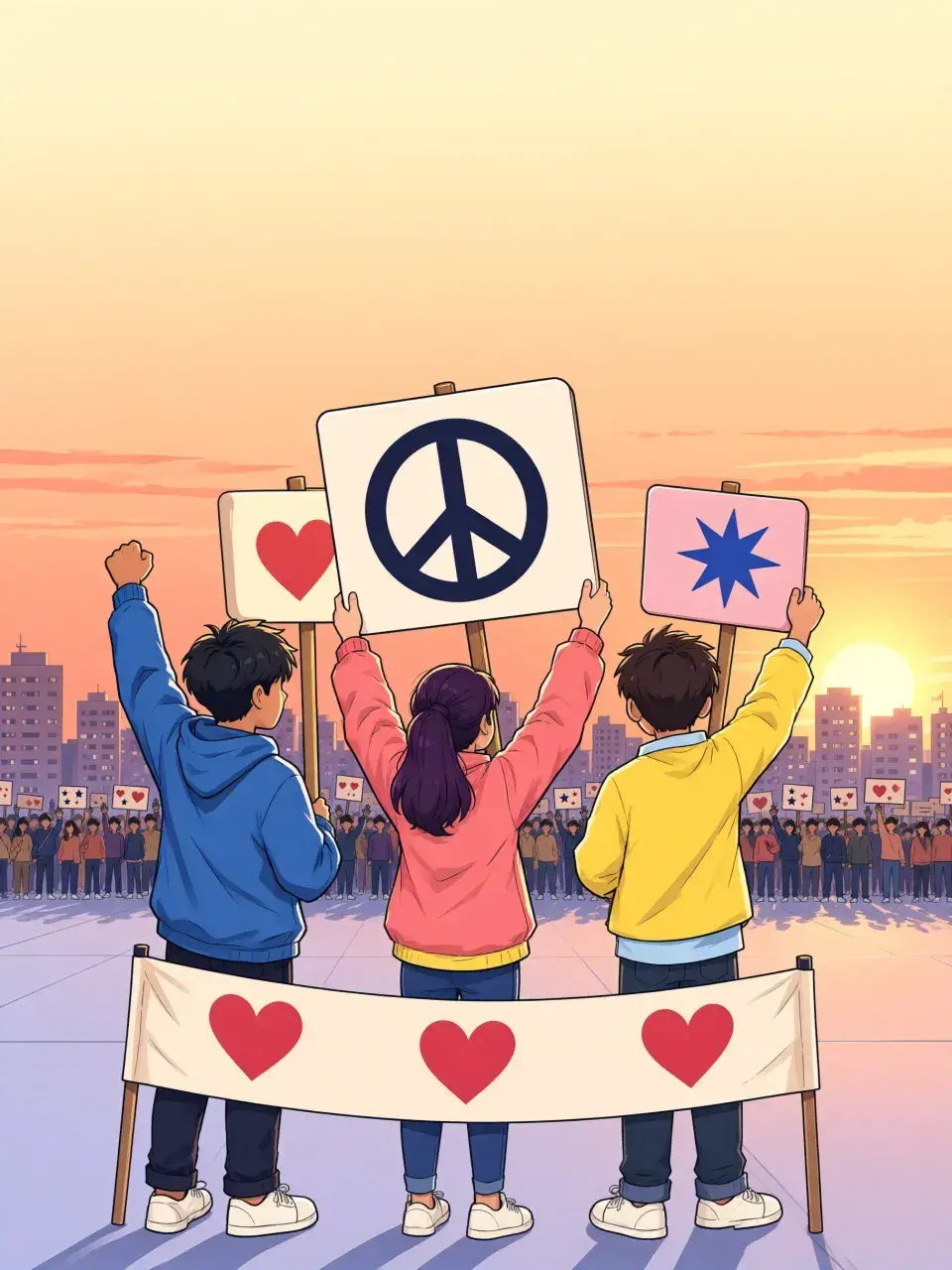
By the time Daniel Kim left the factory office on a December evening, the sky was already dark. His employer had announced a policy changing shift schedules without consulting staff. Daniel and several colleagues wanted to stand near the company’s headquarters with signs and explain why they objected. Their working hours left them no realistic chance to gather before sunset.
A colleague warned that Korean law appeared to prohibit outdoor protests after dark. Daniel worried that even a peaceful demonstration could expose the group to criminal punishment. The question was not whether the workers had a grievance; it was whether the state could make the ordinary hours available to working people legally off-limits for protest.
2. The Legal Question
Could Korea constitutionally impose a blanket prohibition on outdoor assemblies and demonstrations after sunset, even when the protest takes place during the evening and ends before midnight? And could participants be punished under the related criminal provision for holding such a protest?
3. What Korean Law Says
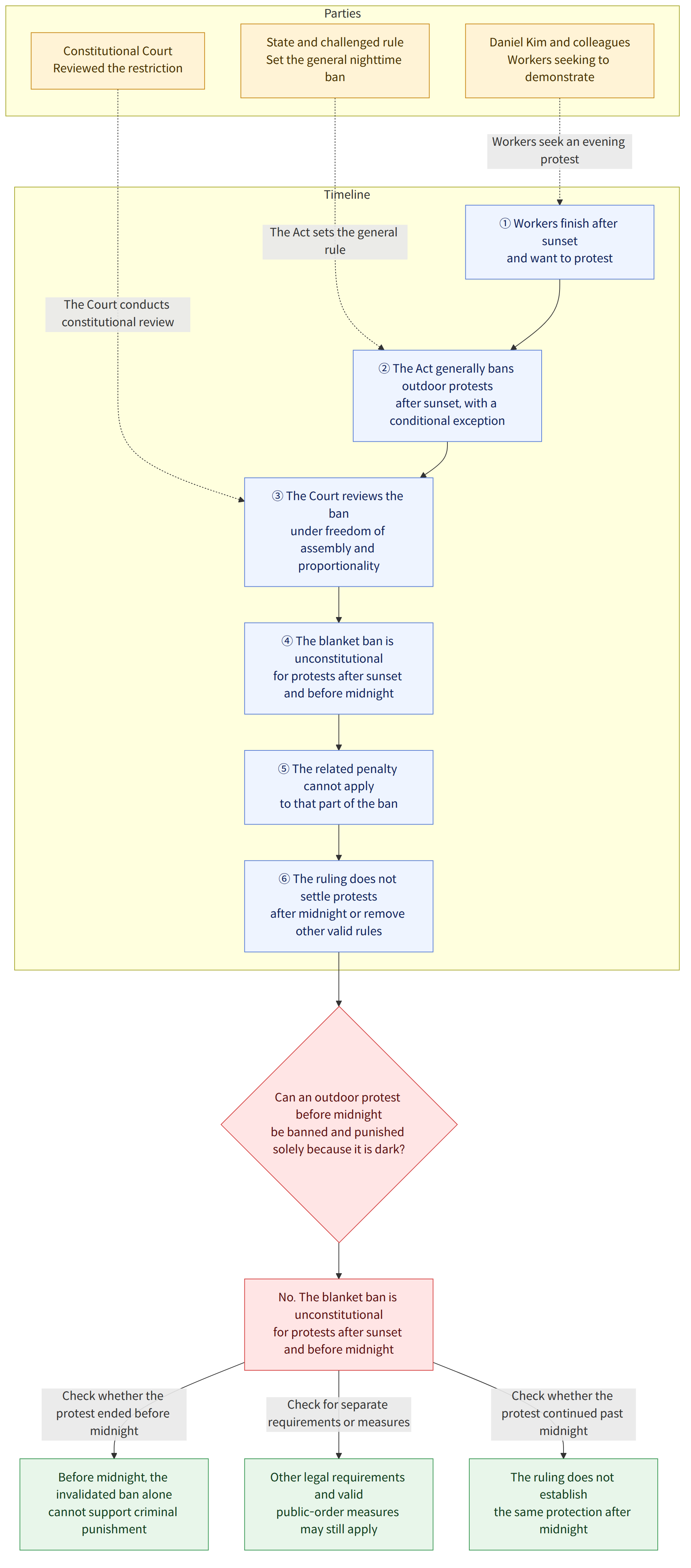
The Assembly and Demonstration Act contained a general ban on outdoor assemblies and demonstrations before sunrise or after sunset. It also allowed an exception in certain circumstances: where the nature of the assembly made nighttime timing unavoidable, the organizer had appointed order-keeping personnel and given advance notice, the police could permit it subject to conditions intended to maintain order. A separate provision prescribed punishment for violating the ban.
The Act’s general rule treated the hours before sunrise and after sunset as prohibited hours for outdoor assemblies and demonstrations, while allowing a limited, condition-based exception.
The Constitutional Court examined that restriction under the constitutional protection of freedom of assembly and the principle of proportionality. In plain terms, the government may limit a constitutional right to protect legitimate public interests, but the limit must not go further than necessary.
The Court recognized that demonstrations can affect public order and other people’s peace and quiet. It also acknowledged that nighttime gatherings may present particular challenges. But it found that treating every hour after sunset alike went too far. In winter, for example, workers and students may have little or no practical opportunity to take part in a daytime protest. And in modern urban life, the period after sunset is not necessarily an exceptional or unusually disruptive time.
The Court held that the blanket restriction was unconstitutional insofar as it applied to outdoor demonstrations held after sunset and before midnight on the same day. The corresponding punishment provision could not be applied to that portion of the ban.
The decision was limited. It did not erase every rule governing nighttime demonstrations or declare every protest lawful regardless of its conduct. Its central points were:
- A protest held after sunset but before midnight cannot be criminally punished solely under the invalidated part of the general ban.
- The ruling did not establish the same protection for demonstrations continuing after midnight.
- Separate legal requirements and valid public-order measures may still apply.
4. How Korean Courts Approach This
Korean constitutional review weighs the public interest behind a restriction against the burden it places on a protected right. A restriction must pursue a legitimate aim, be suitable for that aim, and avoid unnecessarily broad limits. The interests on both sides must also be balanced fairly.
In this kind of dispute, a court may accept that the authorities have a real interest in protecting residents’ rest, public order and the rights of others. But it will ask whether a sweeping rule is actually needed in every situation it covers. A rule that blocks ordinary evening demonstrations across the board may burden the right to assemble far more than the public interest requires.
The Constitutional Court therefore did not invalidate the entire nighttime framework. It identified the specific overbroad part: the absolute prohibition, and its associated penalty, as applied to demonstrations between sunset and midnight. That narrow approach preserved room for regulation where stronger limits may be justified while removing the part found incompatible with freedom of assembly.
5. Applying the Law to Daniel’s Case
Daniel’s situation fits the constitutional concern directly. His colleagues work during the day, and in winter their shift ends after sunset. A rule that made any evening demonstration automatically punishable would effectively deny them a practical chance to protest together.
The analysis proceeds in steps:
- The timing matters. If Daniel’s group holds its outdoor demonstration after sunset and finishes before midnight on the same day, it falls within the period covered by the Constitutional Court’s ruling.
- The blanket ban cannot supply the criminal basis. The relevant part of the statutory prohibition was held unconstitutional, and the related penalty cannot be used to punish the group simply for demonstrating during those hours.
- The ruling is not a blanket permit. Daniel’s group should still check and follow applicable notice procedures. Authorities may also impose lawful, proportionate conditions to protect safety and public order, and conduct that violates other laws remains a separate matter.
- The end time is important. The ruling described here concerns the period from sunset to midnight. It should not be treated as a general authorization to continue a demonstration after midnight.
Thus, if Daniel’s colleagues organize a peaceful protest near the headquarters, comply with applicable procedures and conclude before midnight, they should not face criminal punishment merely because the sun has set.
6. Conclusion: What Happened, and What Should You Do?
Daniel and his colleagues reviewed the rules, gave the required advance notice and arranged for people to help maintain order. They held their protest that evening and dispersed before midnight. The company did not have to agree with their message, but the group could not be punished under the invalidated portion of the nighttime ban simply for exercising its right to demonstrate after sunset.
For anyone planning a similar protest:
- Check the timing carefully. The constitutional ruling described here protects demonstrations between sunset and midnight; do not assume it covers events that continue later.
- Confirm procedural requirements in advance. Give any required notice and keep a record of communications with the authorities.
- Plan for safety and compliance. Identify organizers, set clear conduct expectations, and seek legal advice if police impose conditions or threaten penalties.