A Sudden Summons and a Blindside Attack
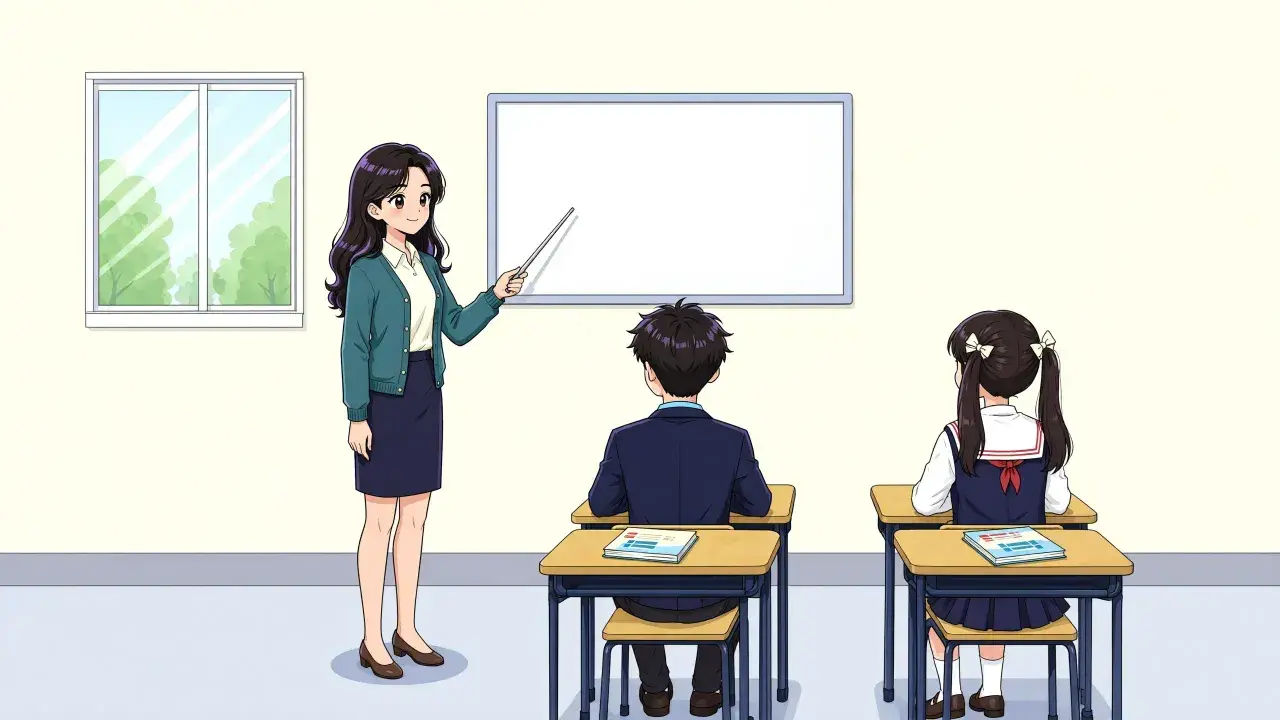
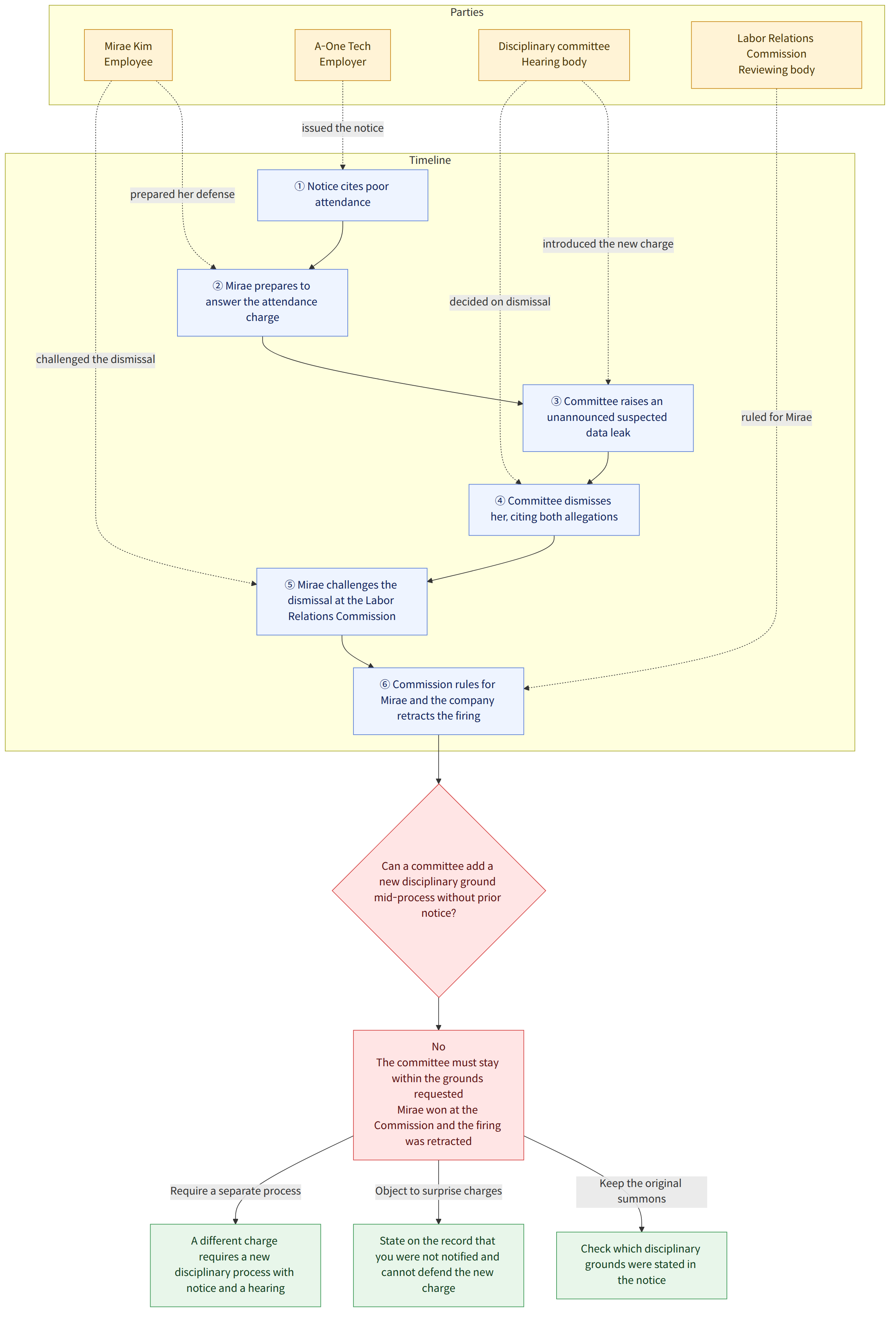
Mirae Kim, a diligent assistant manager at the mid-sized IT firm 'A-One Tech,' was hit with devastating news: she was being summoned to a disciplinary committee. The official notice cited 'repeated tardiness and poor attendance over the past three months.' Knowing she had been late due to personal family matters, Mirae prepared her defense, expecting a minor warning or a light reprimand.
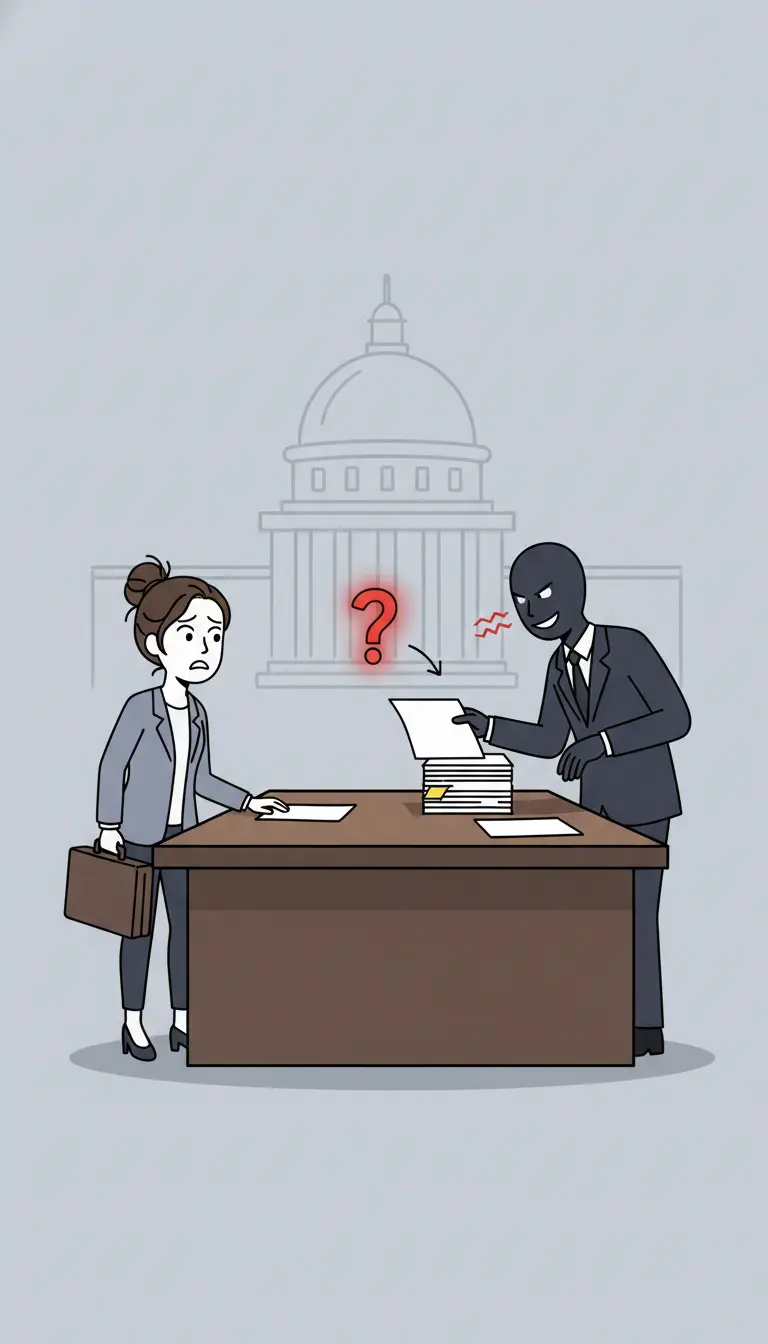
However, the atmosphere inside the conference room on the day of the hearing was far more hostile than she anticipated. Instead of discussing her attendance, the committee members immediately began grilling her about a 'suspected leak of confidential project secrets' that had occurred just a week prior. This serious allegation had never been mentioned in the formal disciplinary request.
Caught completely off guard, Mirae was unable to provide a coherent defense or produce any evidence. The committee ultimately decided on her immediate dismissal, citing both 'confidentiality breach and poor attendance.' Stunned and jobless, Mirae wondered: Is it legal for a company to change the rules of the game while it's being played?
The Legal Question: Scope of Deliberation
The core legal issue here is: "Can a disciplinary committee modify the grounds for discipline or add new reasons that were not part of the original request?" In other words, can an employer legally pivot from a minor issue (tardiness) to a major one (data leak) without prior notice during the same proceeding?
What Korean Law Says: The Principle of Procedural Justice
In South Korea, the Labor Standards Act and Supreme Court precedents place immense weight on 'procedural justice.' Even if an employee has committed a fireable offense, the dismissal can be ruled invalid if the proper procedures—as outlined in the company's Rules of Employment—are not followed.
"The disciplinary committee must, under all circumstances, limit its deliberation and judgment to the specific grounds for discipline requested by the authorized requester. It cannot fundamentally modify the requested grounds or add other reasons, such as circumstances that occurred after the request for disciplinary action was made."
This rule exists to ensure the employee's 'Right to Defense.' Key elements that must be guaranteed in any Korean disciplinary proceeding include:
- Prior Notice: The employee must know exactly what they are being accused of before the hearing.
- Right to be Heard: The employee must be given a genuine opportunity to explain their side.
- Right to Submit Evidence: The employee must have the chance to present evidence that supports their innocence or mitigates the punishment.
How Korean Courts Approach This
Korean courts are uncompromising when it comes to procedural flaws. The judiciary holds that a disciplinary action taken in violation of these procedures is null and void, regardless of whether the employee's misconduct is actually true.
Judges view the act of adding new charges mid-stream as a fatal blow to the 'Right to Defense.' If an employer wishes to punish an employee for a different matter, they must initiate a brand-new disciplinary process for that specific charge, providing proper notice and a separate hearing.
Applying the Law to Mirae’s Case
Let’s look at Mirae Kim’s situation through this legal lens. A-One Tech's committee was convened for 'poor attendance.' By pivoting to 'data leakage,' they committed several legal errors:
- Lack of Preparation: Since Mirae wasn't notified about the leak allegation, she had no opportunity to gather logs, emails, or witnesses to prove her innocence.
- Procedural Breach: The committee exceeded its 'scope of deliberation' by judging a matter that wasn't officially on the table.
- Invalid Decision: Because the fundamental right to defend herself against the most serious charge was denied, the entire dismissal is legally tainted.
In a Korean court, Mirae's dismissal would likely be overturned, and she would be entitled to reinstatement and back pay because the company skipped the essential steps of due process.
Conclusion: What Happened, and What Should You Do?
In the end, Mirae Kim challenged her dismissal through the Labor Relations Commission and won. The company was forced to retract the firing because they failed to follow the very rules they had written in their own employment handbook.
If you find yourself in a similar situation, follow these practical tips:
- Document the Original Notice: Always keep a copy of the initial disciplinary summons. This defines the 'boundary' of what the company can legally discuss during the hearing.
- Object to 'Surprise' Charges: If a new topic is introduced during the hearing, state clearly on the record: "I was not notified of this charge in advance and therefore cannot defend myself at this time. This violates the procedural rules of the disciplinary process."
- Review the Rules of Employment: Every company has its own 'Rules of Employment' (취업규칙). Check if the company followed its own internal timelines and notification requirements.
Justice is not just about why someone is punished, but how they are punished. In the Korean workplace, the 'how' is just as important as the 'why.'
This column is intended for general informational purposes only and does not constitute legal advice. For specific legal issues, please consult with a qualified legal professional.