1. Ji-hoon’s Exhausting Routine and the Owner’s Myth
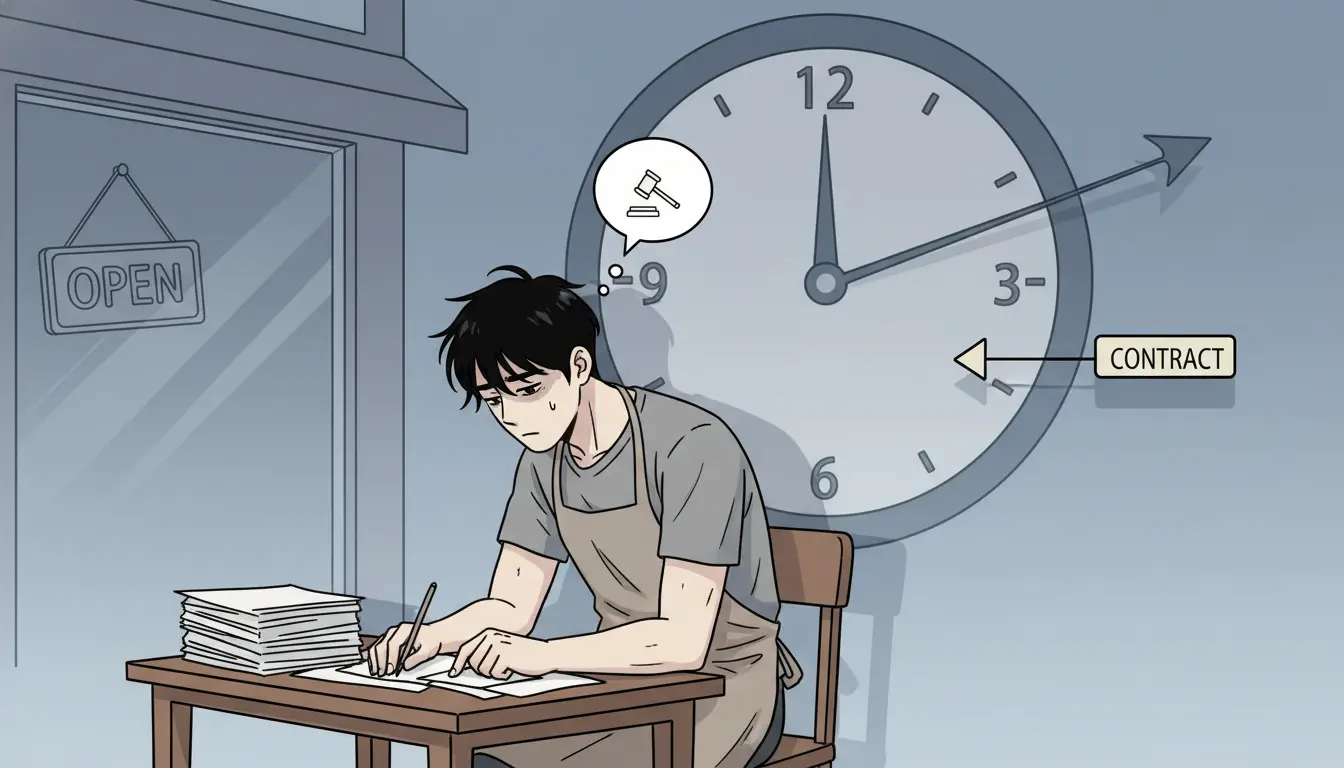
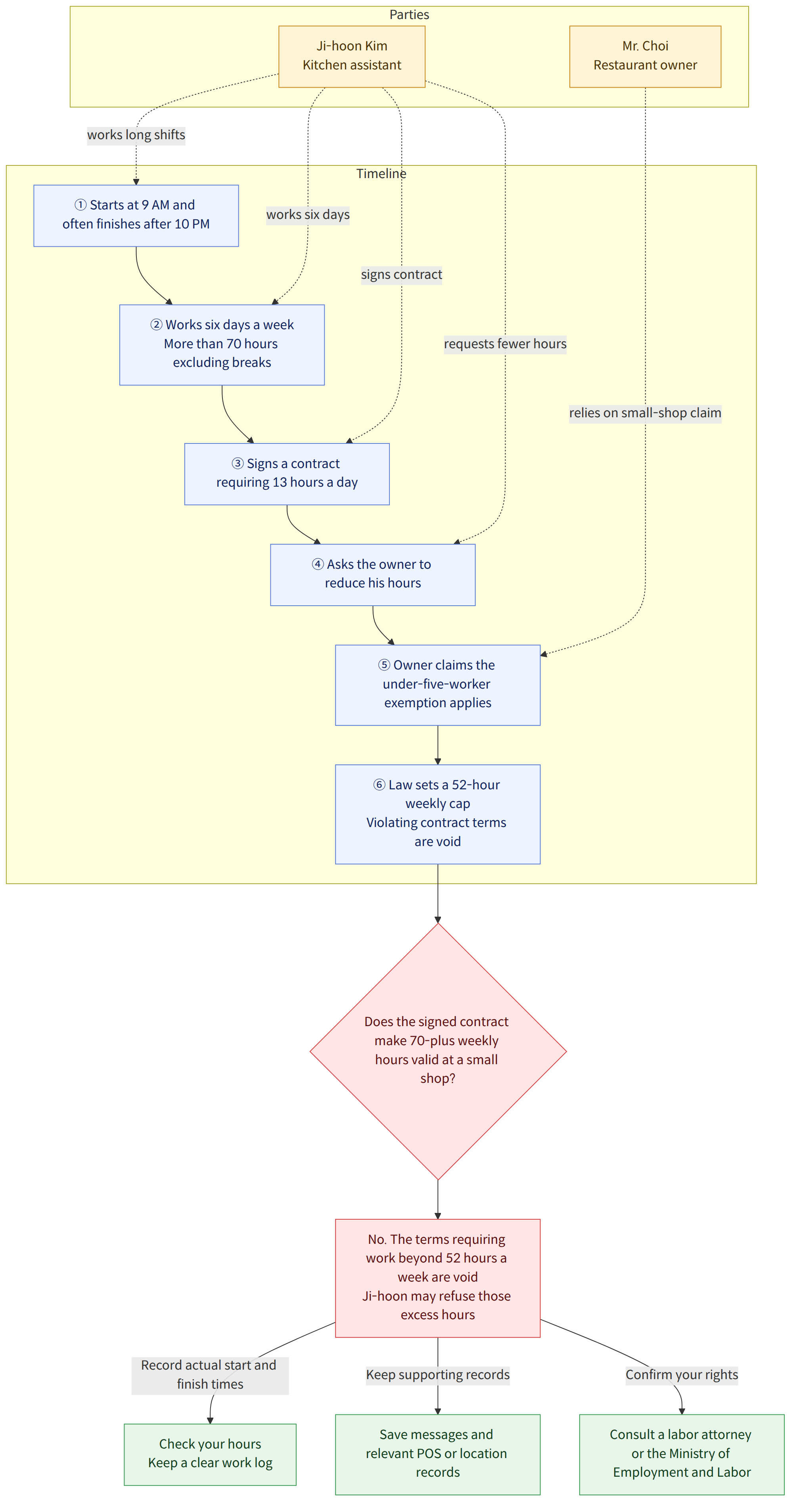
Ji-hoon Kim, a kitchen assistant at a small neighborhood Korean restaurant, begins his day at 9:00 AM. After surviving the lunch and dinner rushes and finishing the final cleanup, it is often past 10:00 PM. Working six days a week from Monday to Saturday, Ji-hoon clocks in well over 70 hours a week, excluding breaks.
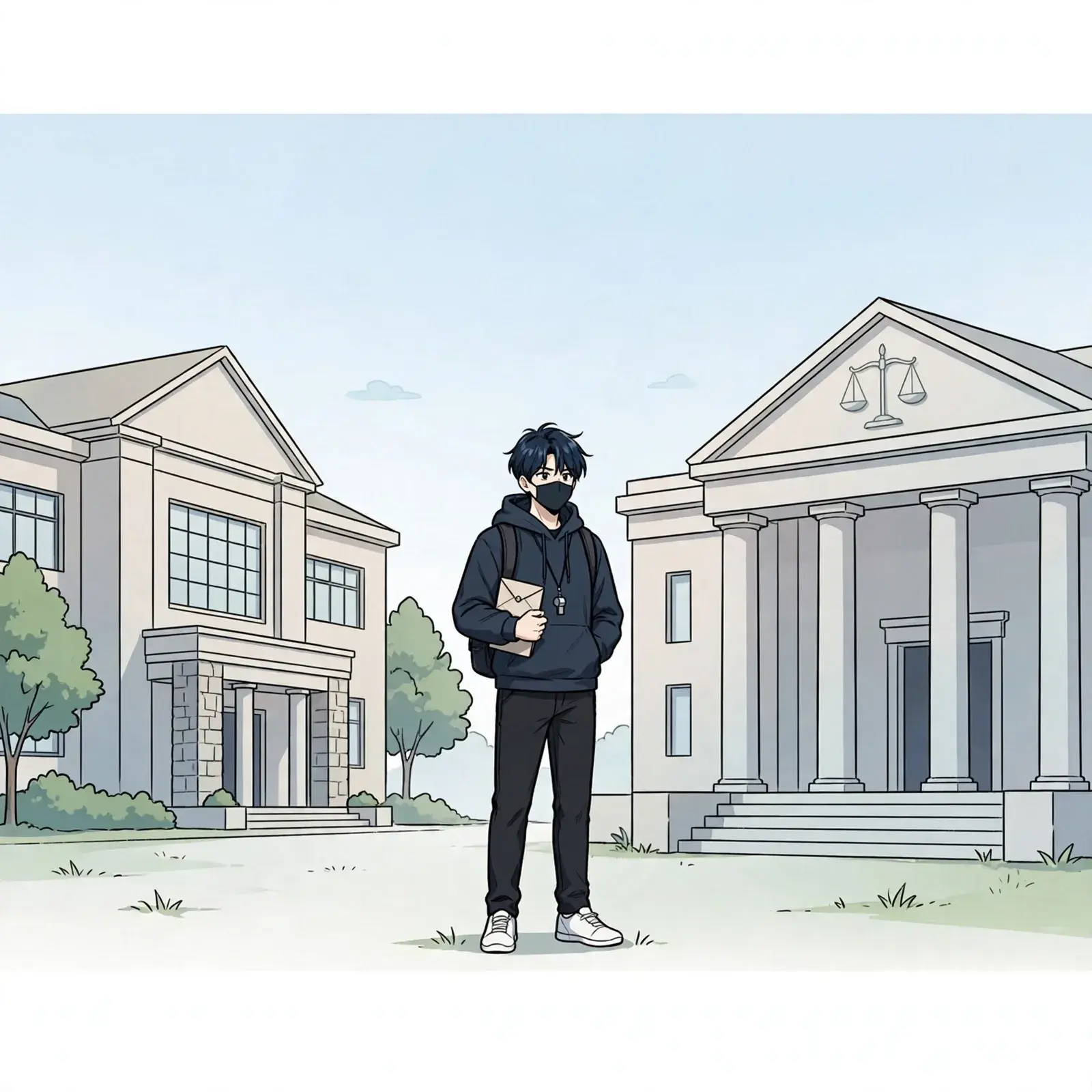
When Ji-hoon, physically depleted, cautiously asked for a reduction in hours, the owner, Mr. Choi, was firm. "Ji-hoon, including you and me, we only have four employees. Don't you know the Labor Standards Act doesn't apply to shops with fewer than five people? You agreed to this when you signed the contract, so why the change of heart?" Ji-hoon regretted his signature, wondering if he truly had no legal protection at all.
2. The Legal Question: Does a Signature Validate Everything?
The core of this issue is: Is a labor contract requiring 70+ hours per week valid simply because the workplace has fewer than five employees? Specifically, can a private agreement between an employer and an employee override the legal limits set by the state?
3. What Korean Law Says: The Mandatory Minimums
While the Korean Labor Standards Act (LSA) provides some exemptions for small businesses to alleviate their financial burden, it maintains a strict "floor" for essential working conditions.
According to Article 11(2) of the LSA and its Enforcement Decree, key provisions apply to workplaces with four or fewer permanent employees. Most importantly, Article 15 stipulates that any contract setting conditions below the standards of the LSA is null and void regarding the violating portion.
Key rules regarding working hours include:
- Standard Working Hours (Article 50): Working hours shall not exceed 40 hours per week and 8 hours per day, excluding break times.
- Overtime Limits (Article 53): Even with mutual agreement, extended work (overtime) cannot exceed 12 hours per week.
- Total Cap: Consequently, the maximum legal working week is generally capped at 52 hours.
4. How Korean Courts Approach This
South Korean courts and the Ministry of Employment and Labor treat the LSA as "mandatory law" (jus cogens). This means that even if both the employer and employee willingly sign a contract, any clause that falls below the minimum legal standard is automatically invalidated. The judiciary firmly holds that a workplace's small size does not grant an employer the right to indefinitely infringe upon a worker's health and right to rest.
5. Applying the Law to Ji-hoon’s Case
Let’s analyze Ji-hoon’s situation. He is working approximately 70 to 78 hours a week. Under Korean law, the absolute maximum is 52 hours (40 standard + 12 overtime).
Even though Ji-hoon signed the contract, the portion of the agreement requiring him to work the 18+ hours beyond the 52-hour limit is legally void. The voided portion is replaced by the standards set in the LSA. Therefore, Mr. Choi’s argument—that small businesses are a "law-free zone"—is a legal fallacy with no basis in current statutes.
6. Conclusion: Reclaiming Rights and Practical Tips
In conclusion, Ji-hoon has the legal right to refuse to work beyond the 52-hour limit and can seek corrective measures for the excessive hours forced upon him. (Note: While small businesses with fewer than 5 employees might be exempt from paying the 50% overtime premium surcharge, the core limit on working hours remains a binding rule.)
For readers in similar situations, here are two practical tips:
- First, document your actual hours. Keep a log of your clock-in/out times. Evidence such as text messages with the owner, POS system login records, or even Google Maps timeline data can be vital.
- Second, do not be intimidated by what you signed. A contract that violates the law is not worth the paper it’s printed on. If you are being forced into predatory working hours, seek a consultation with a labor attorney or the Ministry of Employment and Labor to verify your rights.
Labor and wages must be respected within the boundaries of the law. We hope that Ji-hoon can soon enjoy a life where his evenings belong to him, not just the kitchen stove.
This column provides general legal information and does not constitute professional legal advice for specific cases. For individual legal issues, please consult with a qualified legal professional.