A Scorching Summer and a Missing Bonus
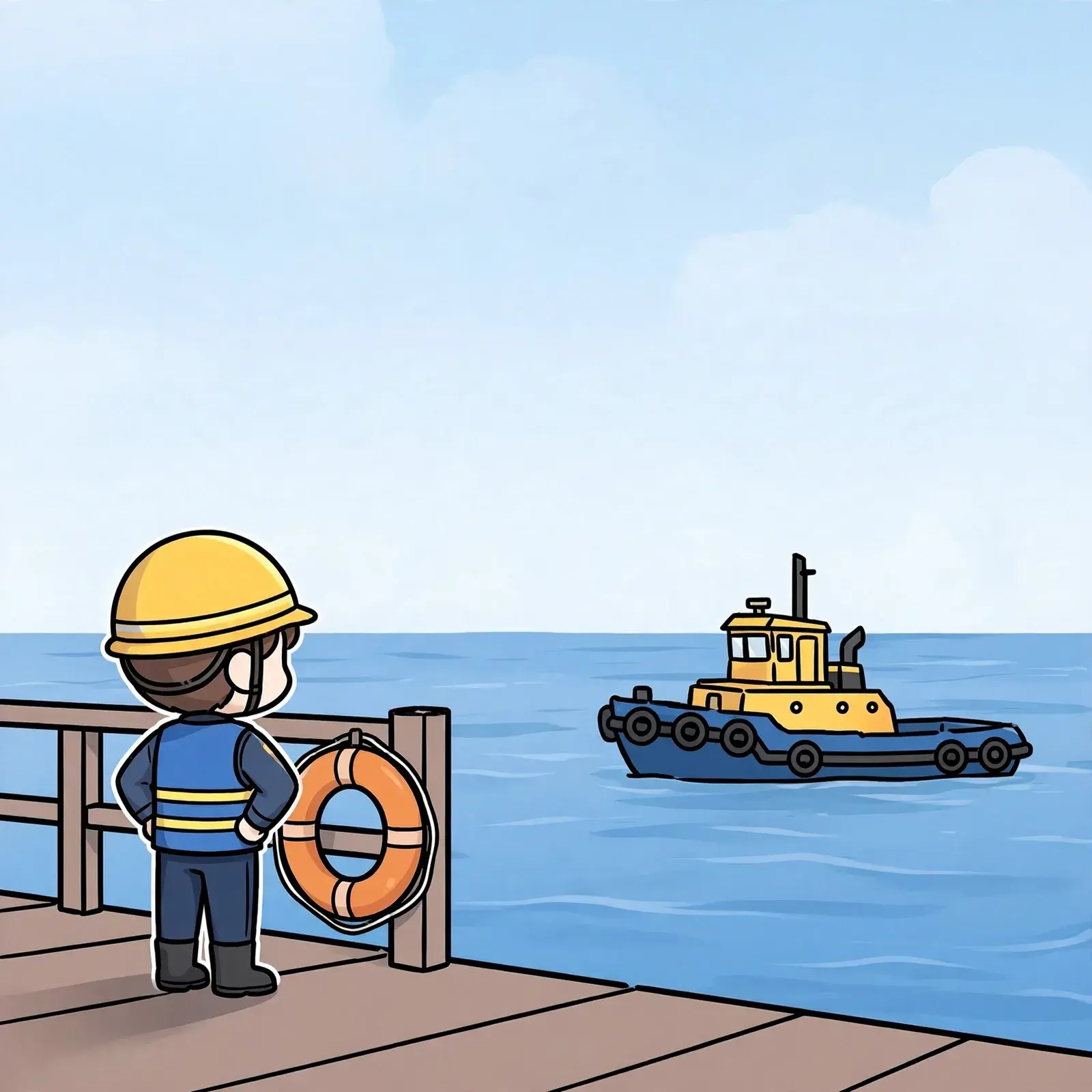
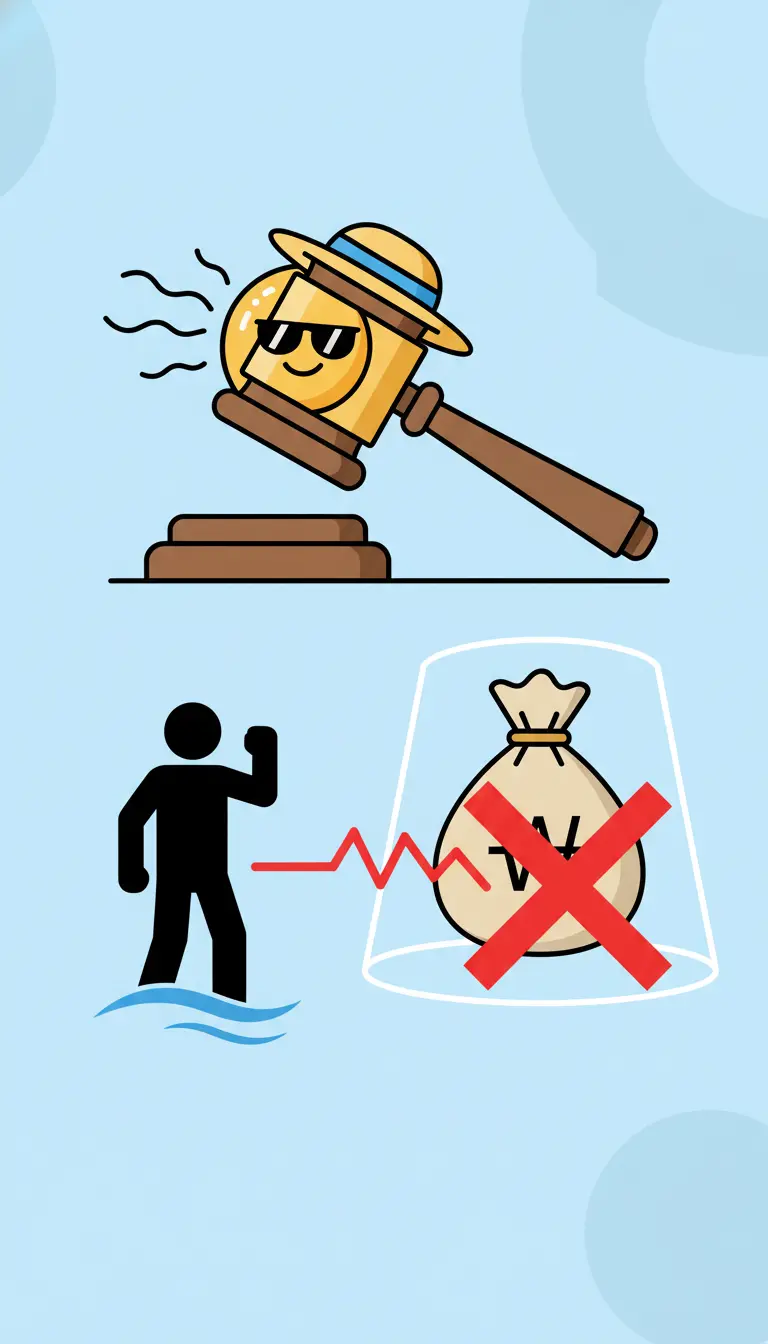
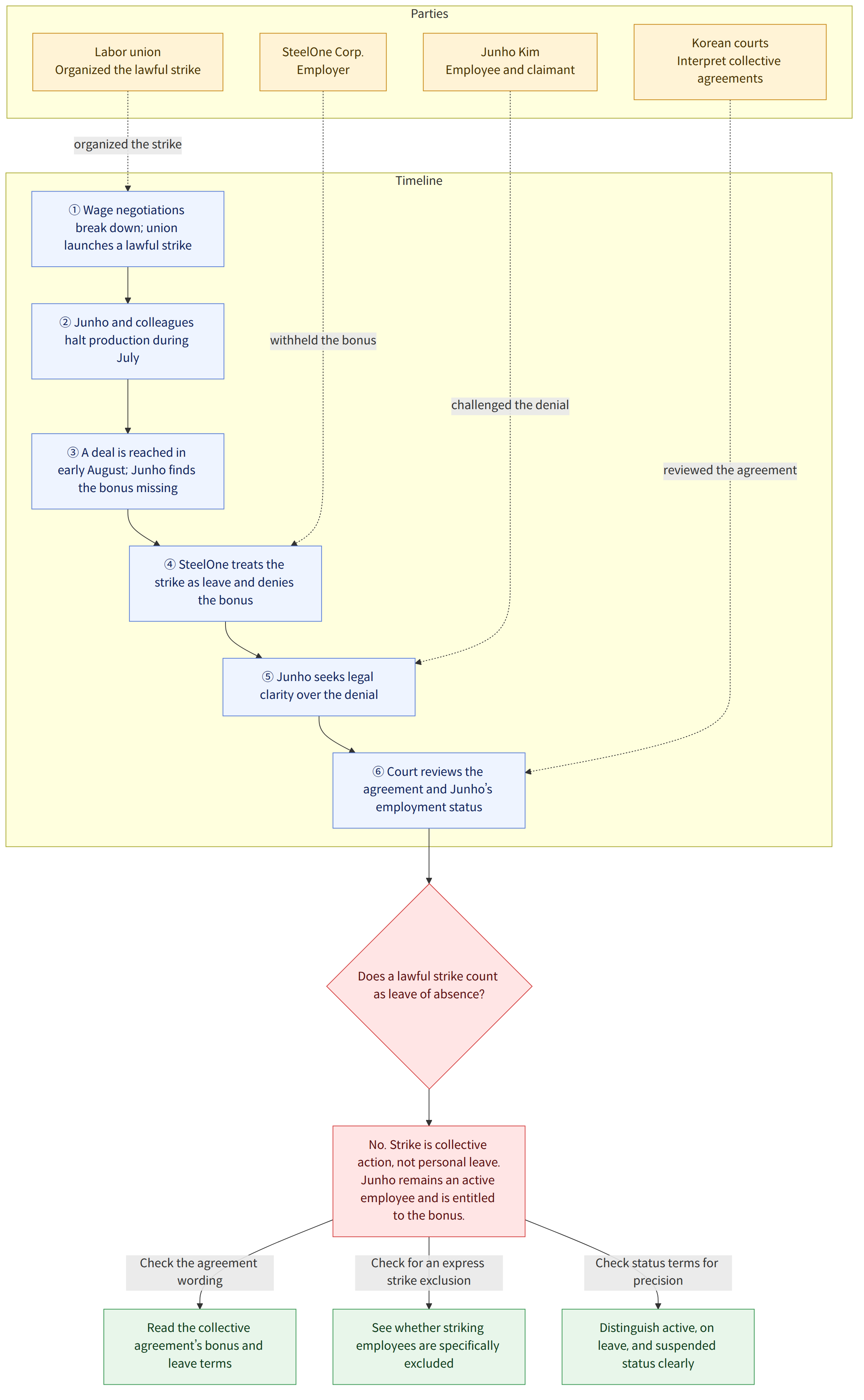
Junho Kim, a dedicated employee with 10 years of service at SteelOne Corp., faced a challenging summer this year. Following a breakdown in wage negotiations, the labor union launched a lawful strike. For the entire month of July, Junho and his colleagues halted production lines to demand safer working conditions and fair pay.
By early August, a deal was reached, and Junho planned a modest getaway with his family. However, his excitement turned to confusion when he checked his bank account. The 'Summer Vacation Bonus,' traditionally paid to all employees active as of July 1st, was missing. The company's HR department was blunt: "Our collective agreement says employees on a 'leave of absence' on the base date are excluded. Since you were on strike, you weren't working—so you're effectively on leave."
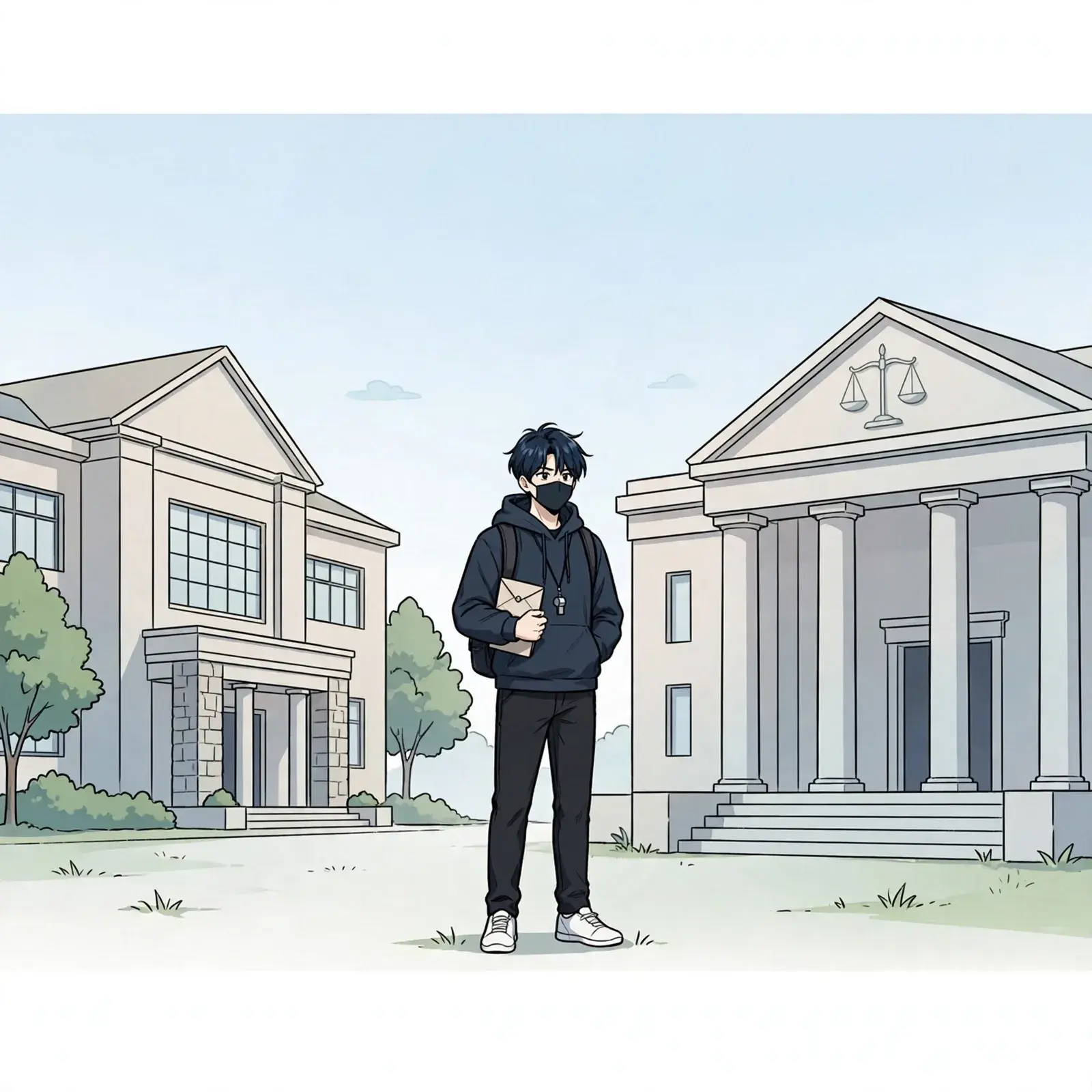
Junho felt this was unfair. Was exercising a constitutionally protected right to strike the same as taking a personal leave of absence? He decided to seek legal clarity.
The Legal Question: Does a Strike Equal a Leave?
The heart of the dispute lies in the interpretation of the phrase "employees on leave of absence" (휴직자) within the collective agreement. SteelOne Corp. argued that since the employment relationship was suspended during the strike, it should be treated as a leave. Junho, however, argued that a strike is a collective action, not a personal status change like a leave.
How Korean Law Interprets Collective Agreements
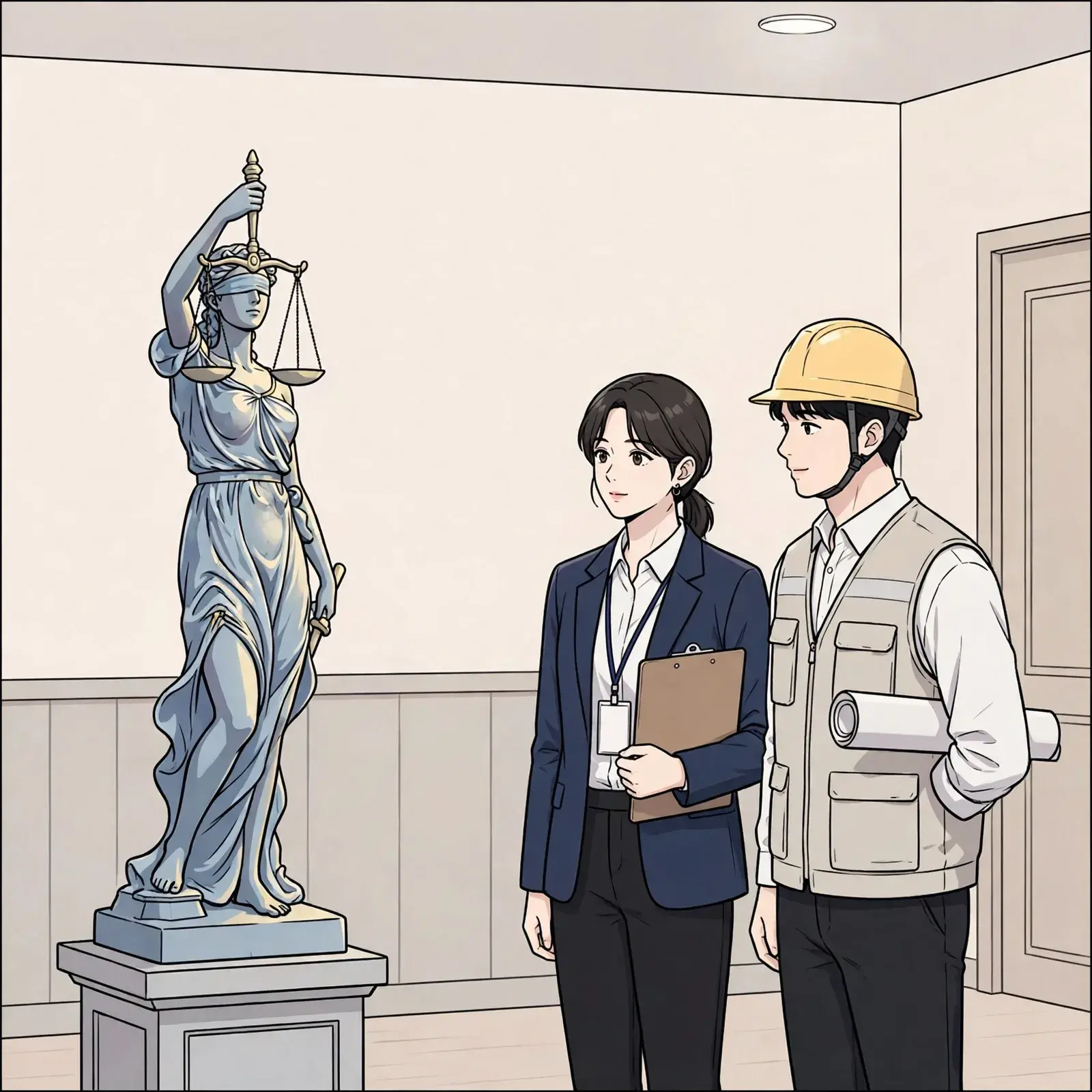
In Korea, a collective agreement is treated as a "dispositive document" (처분문서). This means that the intentions of the parties must be interpreted strictly based on the written text of the document.
"A collective agreement is concluded to maintain and improve working conditions and enhance the economic status of workers. Therefore, its provisions must not be interpreted disadvantageously to workers through analogy or expansive interpretation beyond the literal meaning."
When courts interpret these agreements, they follow three main pillars:
- Objective Meaning of Words: Unless there is a special reason, words are given their plain, dictionary meaning.
- Protection of Labor Rights: Courts are wary of interpretations that limit worker rights to the benefit of the employer.
- Context of the Agreement: The circumstances and the intent of both the union and the employer at the time of signing are considered.
The Court's View: Strikes vs. Leaves of Absence
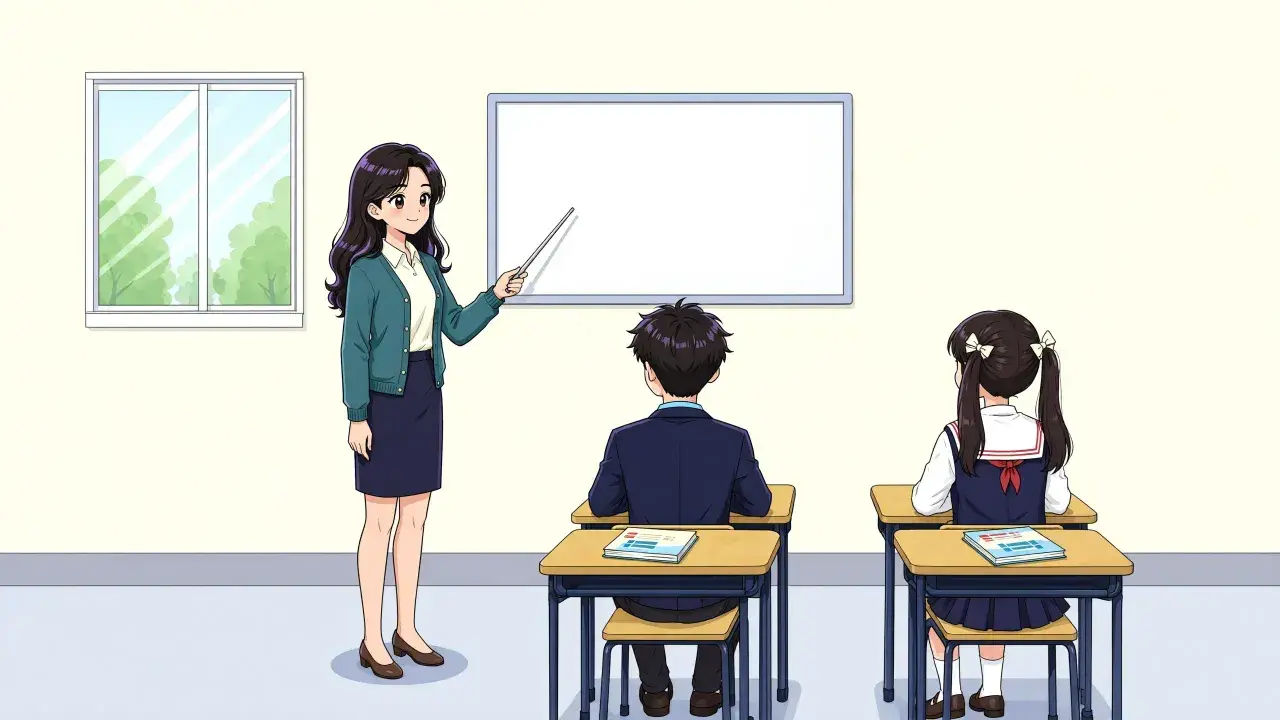
The Korean Supreme Court has drawn a clear line between striking and being on leave. A "leave of absence" typically refers to a situation where an employee is unable to perform duties due to personal reasons (illness, study) or company necessity.
In contrast, a strike is the exercise of the "Right to Collective Action." While the duty to work is temporarily suspended, the employment relationship remains fully intact and "active." The court views a striker as an active employee whose labor provision is merely paused by a legal right, not someone whose status has shifted to "on leave."
Applying the Law to Junho’s Case
Let's apply these principles to Junho’s situation at SteelOne Corp. The agreement stated that bonuses go to "active employees" but exclude those "on leave."
First, Junho was still on the payroll and part of the company's workforce on July 1st. He was an "active employee" in the legal sense. Second, because the agreement did not specifically list "striking employees" as an excluded group, the company cannot simply assume they are the same as those on leave.
Under Korean judicial principles, expanding the definition of "leave" to include "striking" would be an illegal "analogous interpretation" that harms the worker's rights. Therefore, Junho is legally entitled to his bonus.
Conclusion: Clarity is Key for Both Sides
Ultimately, Junho Kim successfully claimed his summer bonus after a legal review confirmed his status. The court’s firm stance ensures that exercising labor rights doesn't lead to unforeseen financial penalties unless explicitly agreed upon in writing.
For those in similar positions, here is some practical advice:
- For Employees: If you are denied benefits during or after a strike, check the specific wording of your collective agreement. Unless it specifically mentions "strikers" as excluded, you are likely still entitled to those benefits as an active employee.
- For Employers: If the intent is to exclude striking workers from certain bonuses, this must be explicitly negotiated and written into the agreement using precise terms (e.g., "excluding those participating in industrial action"). General terms like "leave of absence" will not suffice.
- General Tip: Precision in legal documents is your best defense. Whether you are a union leader or a CEO, ensure that terms like "active," "on leave," and "suspended" are clearly defined to avoid costly litigation.
This column provides general legal information and should not be taken as formal legal advice for specific cases.