A Vanished Employer and a Stranded Worker
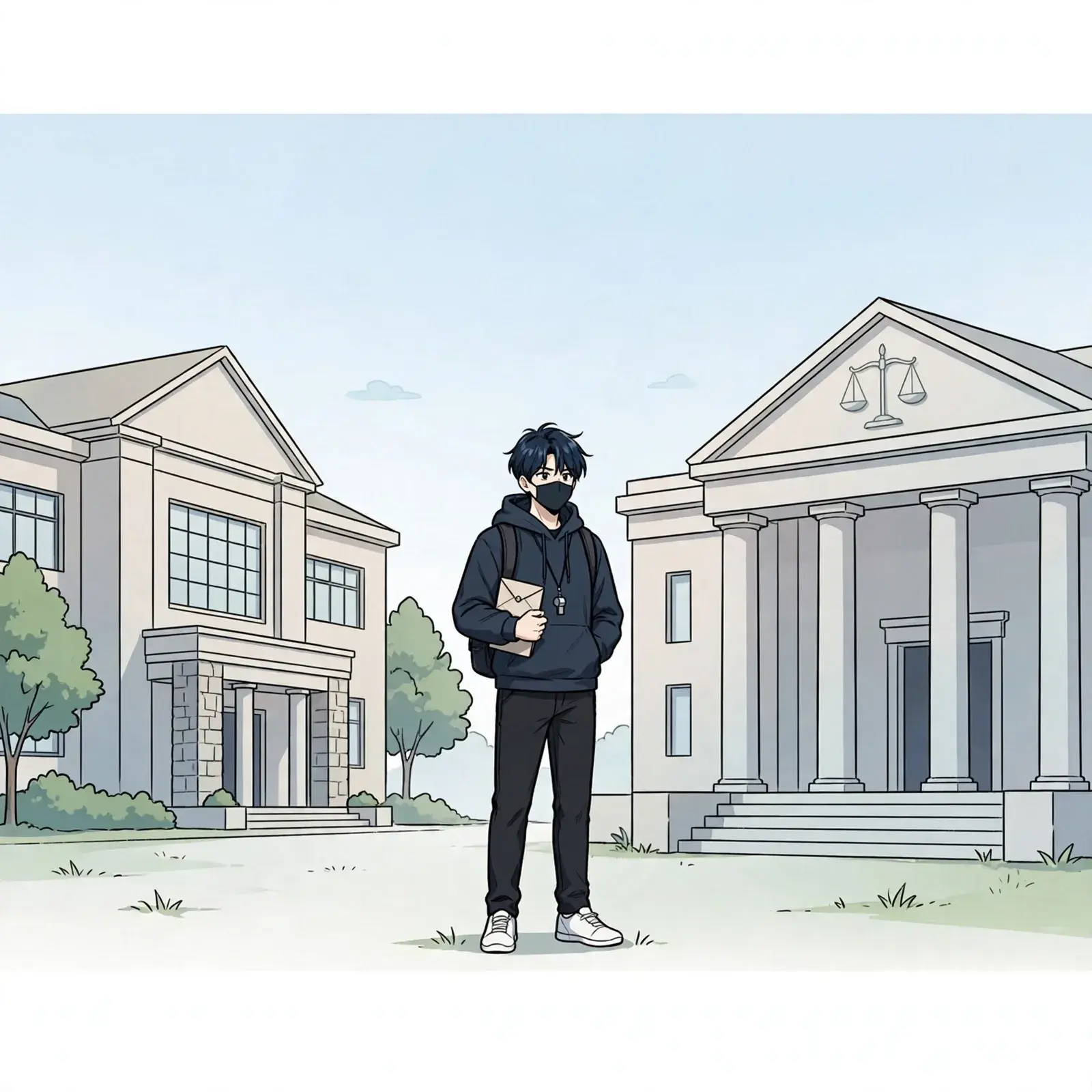
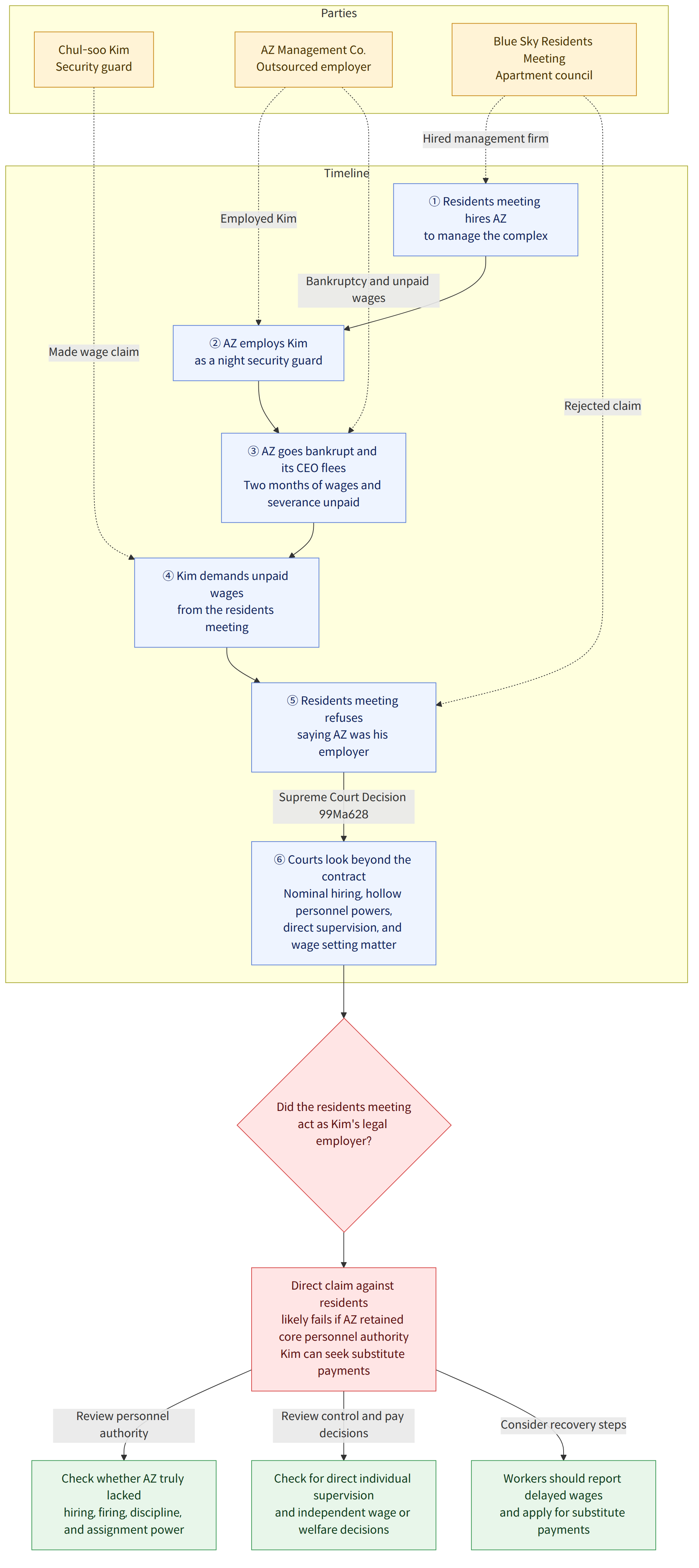
Chul-soo Kim has been a dedicated night security guard at the Blue Sky Apartment complex for the past three years. He didn't sign his contract with the apartment residents directly; instead, he was an employee of AZ Management Co., an external firm hired to maintain the complex. Despite his official affiliation, Mr. Kim felt like part of the community, handling residents' packages and managing parking with a friendly smile every day.
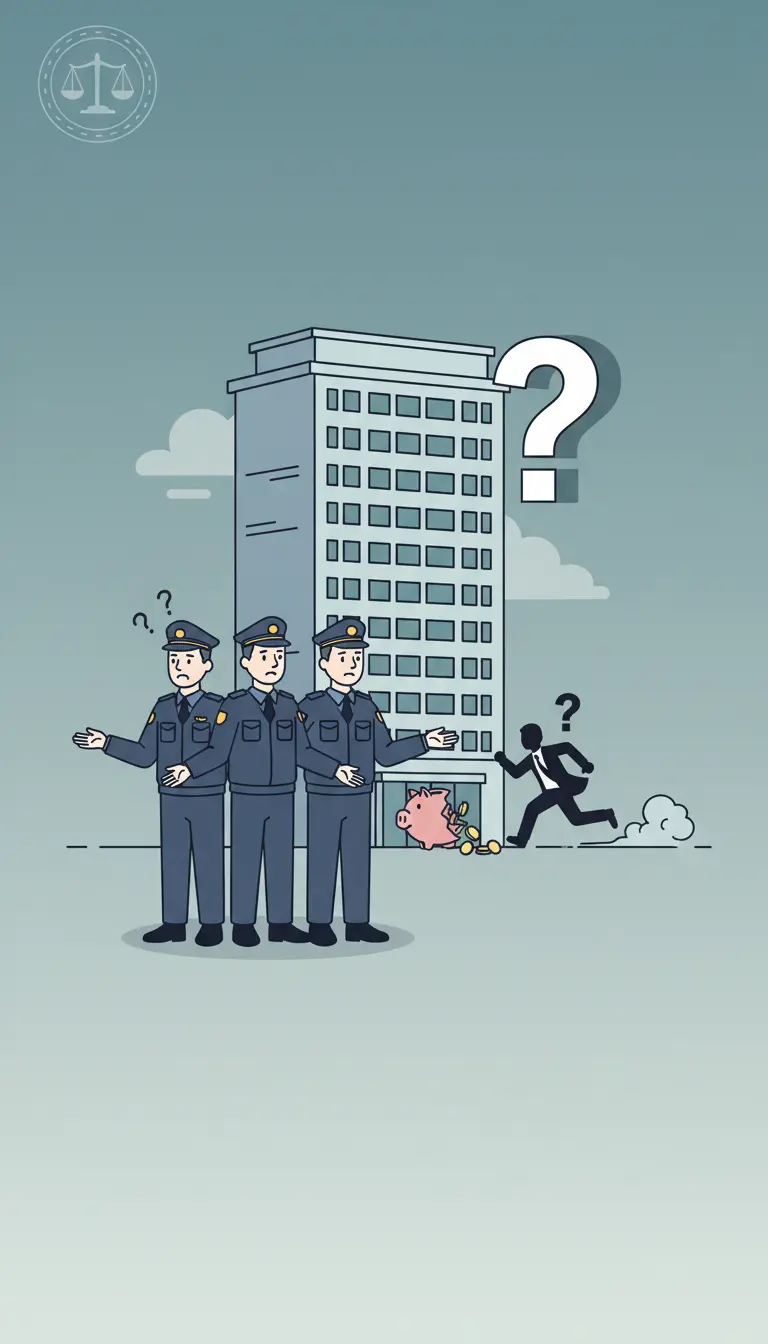
However, disaster struck when the CEO of AZ Management Co. fled the country after the company went bankrupt, leaving behind hundreds of millions of won in unpaid wages. Mr. Kim and his colleagues were left without their last two months of salary and their severance pay. Desperate, Mr. Kim approached the Blue Sky Apartment Residents' Representative Meeting. "We worked for this building, and our wages come from your maintenance fees. Shouldn't the residents pay us?" he pleaded. The council refused, stating, "We are also victims. Your contract was with the agency, not us."
The Core Legal Question
Can a worker employed by an outsourced management firm demand unpaid wages directly from the Residents' Representative Meeting when the firm goes bankrupt or the employer disappears? The answer depends on whether the Residents' Representative Meeting can be legally defined as the "employer" under the Labor Standards Act.
Definition of an 'Employer' Under Korean Law
The Labor Standards Act defines an employer as follows:
Labor Standards Act Article 2 (Definitions)The term "employer" means a business owner, a person responsible for management of a business, or any other person who acts on behalf of a business owner with respect to matters concerning workers.
Technically, Mr. Kim's employer is AZ Management Co., the entity that signed his contract. However, Korean courts look beyond the paper. If the Residents' Meeting exercised such extensive control that the management firm was merely a "shell," a "tacit employment relationship" might be recognized between the residents and the worker.
How Korean Courts Approach This
The Supreme Court of Korea maintains a very strict and cautious stance regarding the employer status of Residents' Representative Meetings. To hold the residents liable, the following conditions must usually be met:
- Formal Contract Only: The employment contract with the management firm must be purely nominal and formal.
- Hollowed-out Personnel Rights: The management firm must have lacked any actual power to hire, fire, discipline, or assign workers.
- Direct Command and Supervision: The Residents' Meeting must have directly provided specific, individual instructions and supervision over the work process.
- Independent Wage Determination: The Residents' Meeting must have independently decided the wage levels and welfare conditions, effectively bypassing the firm's role.
In most cases (such as the Supreme Court Decision 99Ma628), the court has ruled that even if the Residents' Meeting supervised some tasks or influenced hiring, it does not automatically make them the legal employer as long as the management firm maintained its core personnel authority.
Applying the Law to Mr. Kim's Case
In Chul-soo Kim’s situation, the legal outcome depends on the level of interference. If the Blue Sky Apartment Residents' Meeting merely monitored the quality of management through the site manager, they are not the employer. For Mr. Kim to win, he would have to prove that AZ Management Co. was a complete ghost entity that did nothing but pass through funds, while the residents controlled every detail of his working life.
Given the typical structure of apartment management in Korea, where the firm handles the actual employment administration, it is highly unlikely that the court would recognize the Residents' Meeting as the employer. Therefore, Mr. Kim's direct claim against the residents would likely fail.
Conclusion: What Should You Do?
Unfortunately for Mr. Kim, he cannot easily force the residents to pay his back wages. Instead, his best course of action is to apply for 'Substitute Payments' (Daeji-geup-geum) through the Ministry of Employment and Labor. This is a government-backed system where the state pays a portion of unpaid wages to workers of bankrupt companies and later recovers the funds from the employer.
To avoid such tragedies, here are some practical tips:
- For Workers: Always verify the financial health of your agency and report any delayed payments to the Ministry of Employment and Labor immediately to secure your legal priority.
- For Residents' Councils: Be aware that excessive, direct involvement in the hiring and firing of individual outsourced workers could inadvertently create a legal "employer" relationship, leading to unexpected financial liabilities.
This column provides general legal information and should not be taken as professional legal advice for specific cases. Always consult with a qualified legal professional.