A Broken Promise: Ji-hoon Park’s Five-Year Wait
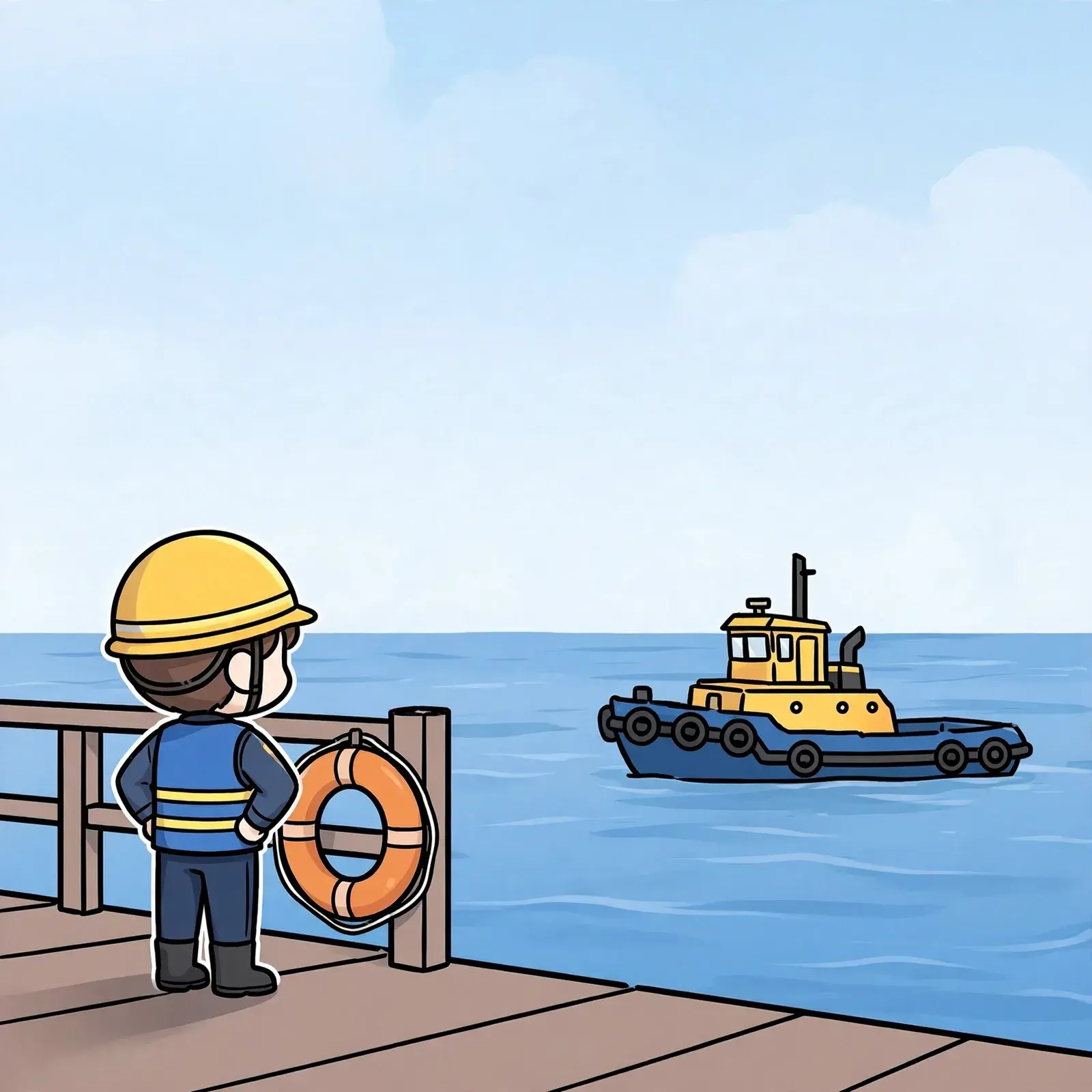
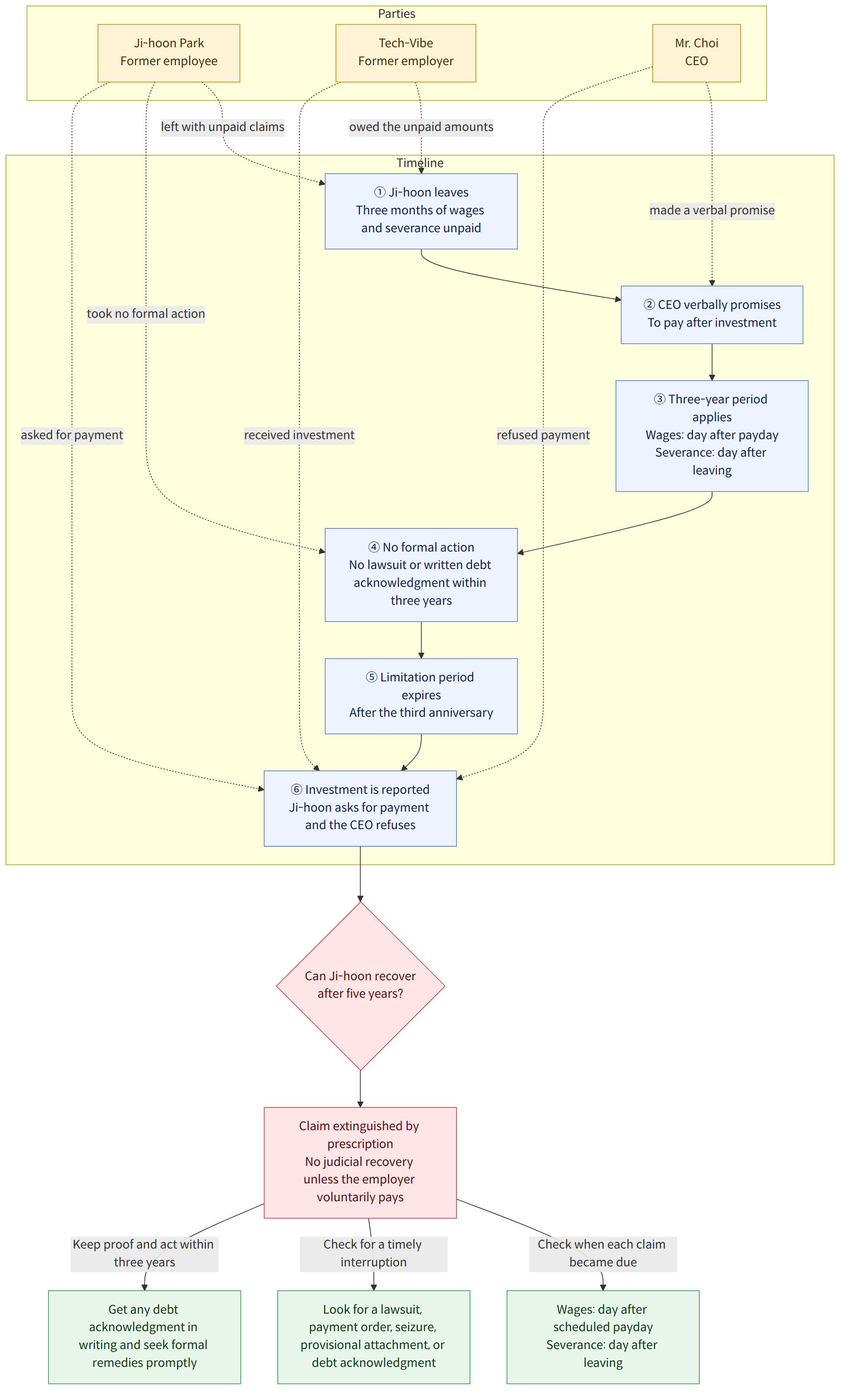
Five years ago, Ji-hoon Park walked away from a struggling tech startup named 'Tech-Vibe.' He didn't leave because he wanted to, but because the company couldn't afford to keep its lights on. He left behind three months of unpaid salary and his hard-earned severance pay. At the time, the CEO, Mr. Choi, shook his hand and promised, "Ji-hoon, as soon as we secure investment, I will pay you back with interest. Please trust me."
Ji-hoon, moved by the sincerity, focused on his new career and didn't pester his former boss. Recently, however, Ji-hoon saw Tech-Vibe in the headlines for receiving a multi-million dollar investment. Remembering the old promise, he reached out to Mr. Choi. To his shock, the response was cold: "That was five years ago. Legally, I don't owe you anything anymore."
The Legal Question
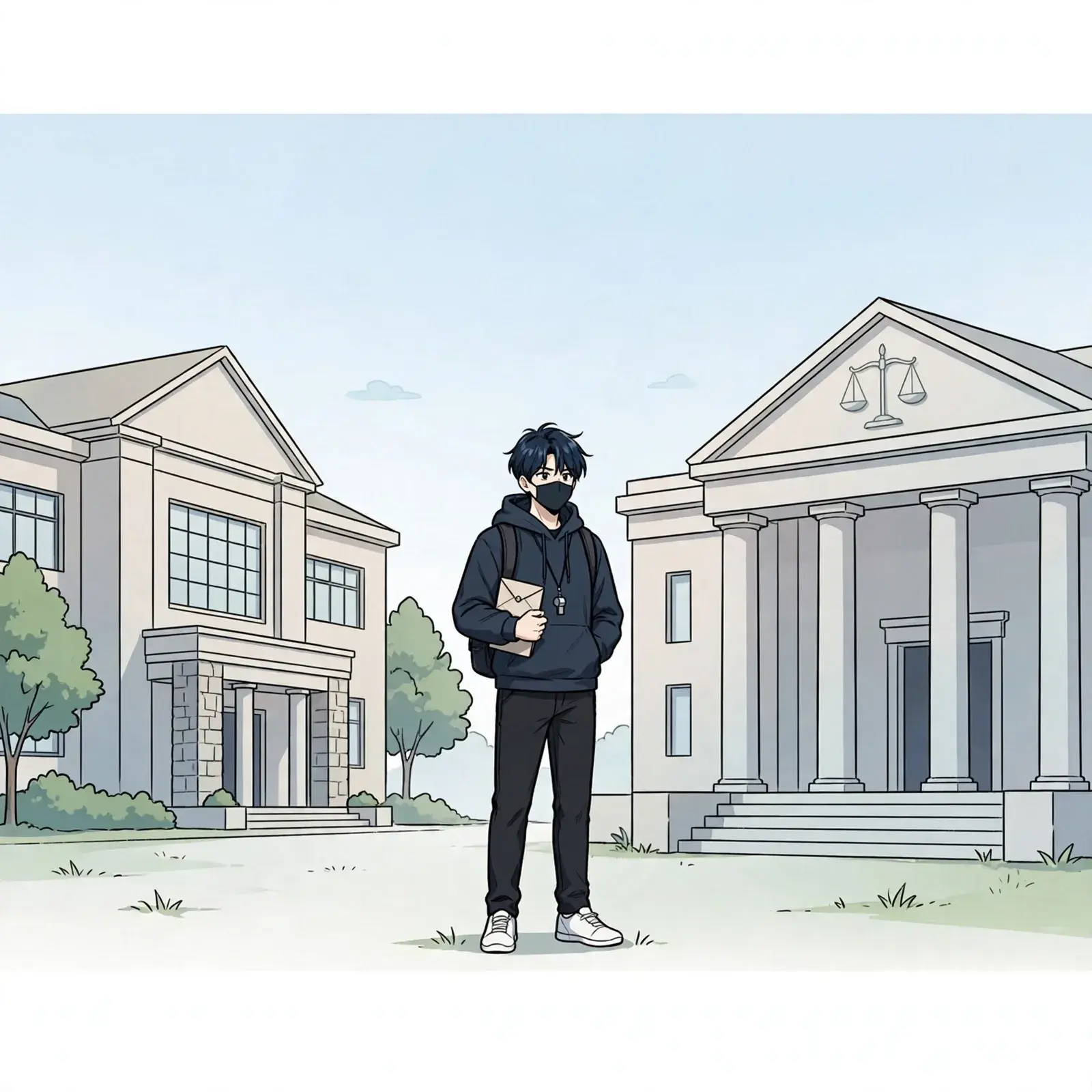
Can Ji-hoon still legally demand his unpaid wages and severance pay after five years have passed? Does a promise to pay "later" extend his rights indefinitely under Korean law?
What Korean Law Says: The 3-Year Deadline
In the legal world, there is a concept called the "Statute of Limitations." It exists to ensure legal stability; the law does not protect those who "sleep on their rights" for too long. For workers in South Korea, this timeline is surprisingly short compared to general civil claims, which usually last ten years.
Article 49 of the Labor Standards ActA claim for wages under this Act shall be extinguished by prescription if not exercised within three years.
Here are the critical rules:
- Wages: The 3-year countdown begins the day after the scheduled payday.
- Severance Pay: The 3-year countdown begins the day after the employee officially retires or leaves the company.
- Scope: This applies to all forms of compensation, including overtime, bonuses, and statutory severance benefits.
How Korean Courts Approach This
Korean courts are generally strict regarding this three-year window. The logic is that three years is an ample amount of time for a worker to seek legal remedy through the Ministry of Employment and Labor or the court system.
However, the law allows for the "interruption" of this clock under specific circumstances. If interrupted, the three-year period starts all over again from zero. Common methods of interruption include:
- Filing a formal judicial claim (lawsuit).
- Applying for a payment order.
- Seizing or provisionally attaching the employer's property.
- Acknowledgment of Debt: If the employer officially admits they owe the money during that 3-year period.
Applying the Law to Ji-hoon’s Case
In Ji-hoon’s situation, the analysis is grim.
His right to claim the money originated five years ago when he left the company. Since he did not file a lawsuit or secure a formal, written acknowledgment of the debt within the first three years, the statute of limitations has fully expired.
While Mr. Choi made a verbal promise five years ago, that promise happened at the start of the period. Since Ji-hoon took no further legal action to "pause" the clock, the legal obligation for Tech-Vibe to pay him vanished after the third anniversary of his departure. Unless Mr. Choi voluntarily chooses to pay him now—which he is not legally required to do—Ji-hoon has no judicial path to recover the funds.
Conclusion: What Happened, and What Should You Do?
Ji-hoon Park’s story is a cautionary tale. Because he relied on a verbal promise and let the three-year window close, his legal right to his wages has been "extinguished by prescription."
If you find yourself in a similar situation with unpaid wages in Korea, follow these practical steps to protect your earnings:
- Act Within the 3-Year Window: Never let more than three years pass without taking formal action. The Ministry of Employment and Labor is a good first stop for filing a petition.
- Secure Written Proof: if an employer asks for more time, get them to sign a document acknowledging the exact amount they owe. This "acknowledgment of debt" can reset the three-year clock.
- Use Certification of Contents: Sending a formal "Certification of Contents" (Naeyong-jeungmyeong) can temporarily pause the clock for six months, giving you time to file a lawsuit.
Don't let your hard work go uncompensated due to a calendar error. Stay vigilant about your rights.
Disclaimer: This column provides general information and does not constitute legal advice. Please consult with a legal professional for specific cases.