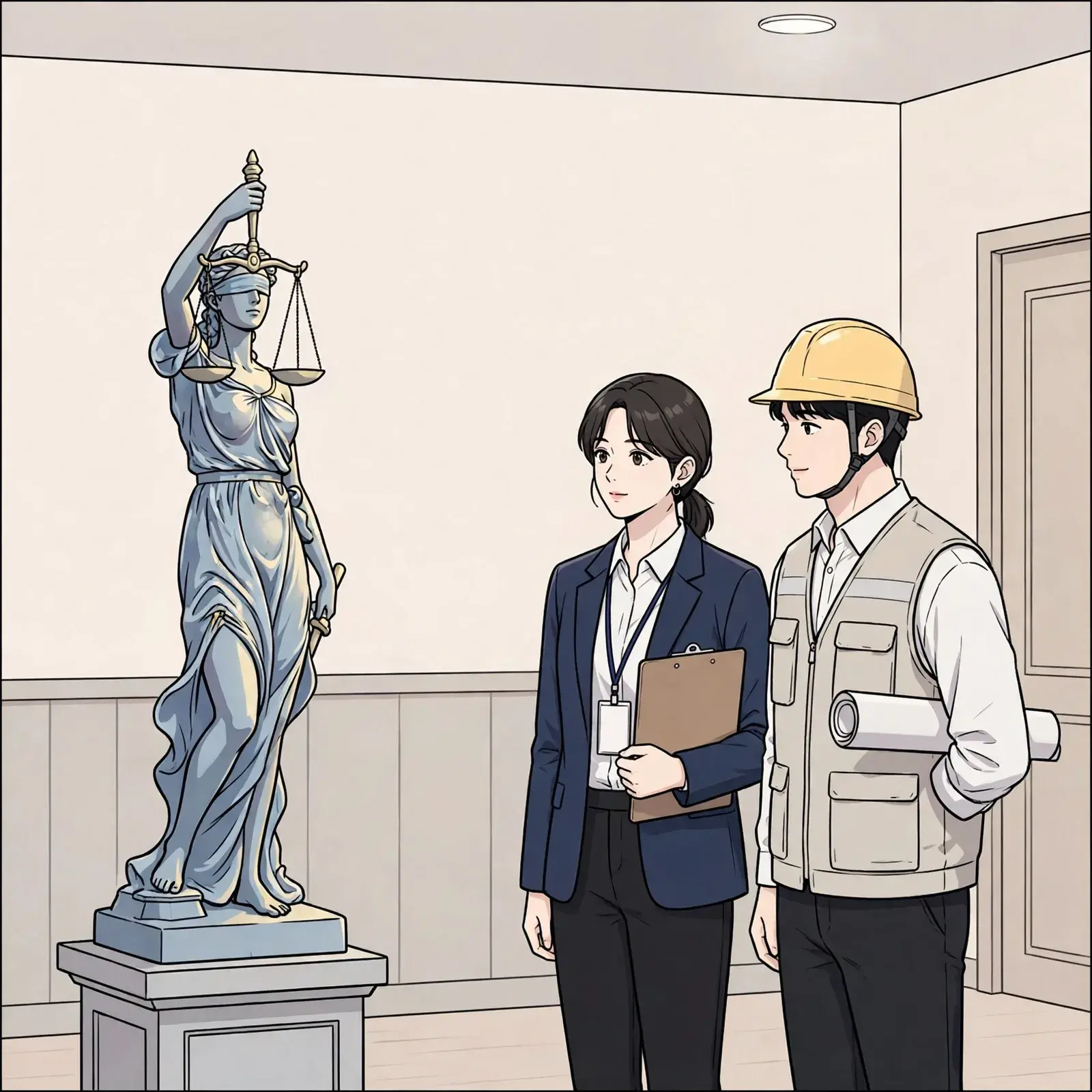
A Tense Payday at Mirae Co.
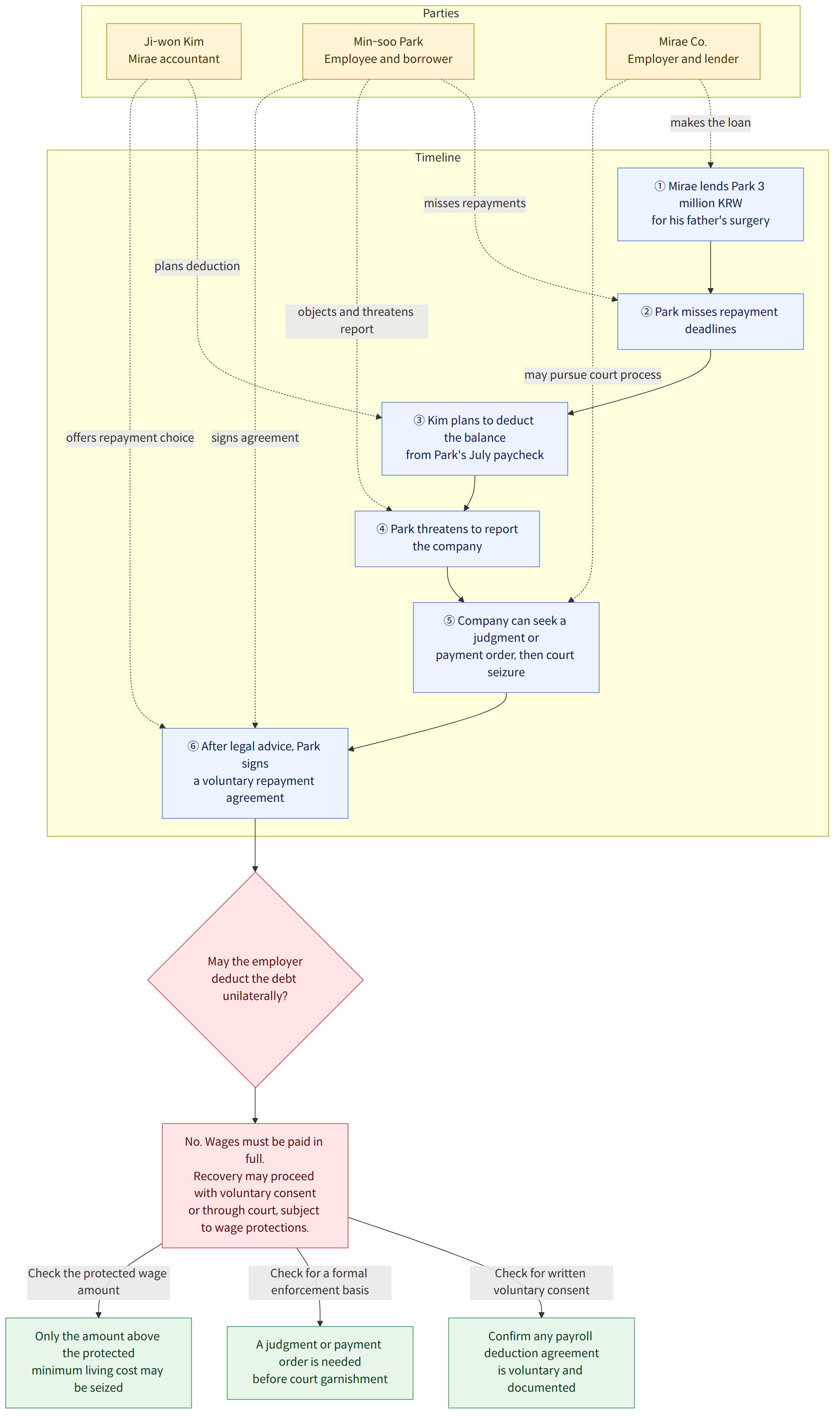
Ji-won Kim, a senior accountant at a mid-sized firm called Mirae Co., found herself in a difficult position. A year ago, Min-soo Park, a sales associate, had pleaded for an emergency company loan of 3 million KRW to cover his father's surgery. The company agreed, but Min-soo had since missed several repayment deadlines, offering only vague excuses while continuing to draw his full salary.
Frustrated, Ji-won decided to deduct the remaining loan balance from Min-soo’s upcoming July paycheck. However, when Min-soo caught wind of the plan, he threatened to report the company to the Ministry of Employment and Labor. "No matter what I owe you, you can't touch my salary without my permission!" he claimed. Ji-won was baffled—how could the company be forbidden from collecting its own debt?
The Legal Dilemma: The Power of 'Set-off'
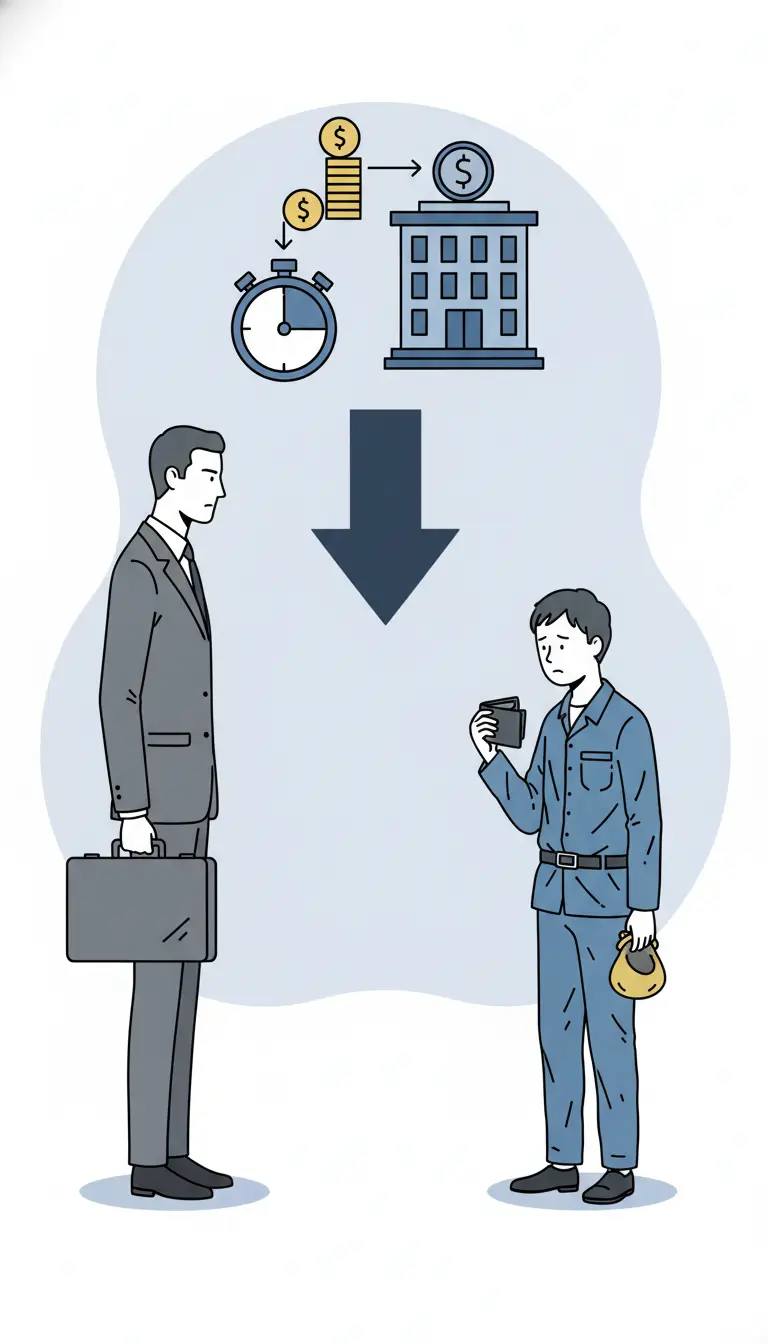
The core question in this scenario is whether an employer, acting as a creditor, can unilaterally "set-off" (offset) a debt against an employee’s wages. In standard commercial law, if two parties owe each other money, they can simply cancel out the debts. But in the world of labor law, the rules are far stricter.
The 'Full Payment Principle' under Korean Law
Korea’s Labor Standards Act (LSA) treats wages as the sacred foundation of a worker's livelihood. To prevent workers from being trapped in debt-bonded labor, the law mandates that wages be paid directly and in full.
Labor Standards Act, Article 43 (Payment of Wages)(1) Wages shall be paid in currency directly to the employees in full amount. However, if otherwise provided for by laws or by a collective agreement, a part of wages may be deducted.
Labor Standards Act, Article 21 (Prohibition of Set-off against Advances)An employer shall not set off wages against an advance or other credit given on the condition of labor.
These provisions mean that even if Min-soo clearly owes the company money, the company cannot simply subtract it from his paycheck unless Min-soo explicitly agrees or there is a specific provision in a collective labor agreement.
The Judicial Twist: Set-off vs. Judicial Seizure
Does this mean Mirae Co. has no way to get its money back? Not necessarily. The Korean Supreme Court makes a vital distinction between a company taking the money unilaterally (set-off) and a company taking the money through the court (execution).
According to landmark rulings, the LSA's protection of wages does not strip an employer of its rights as a general creditor. The court has held that while an employer cannot perform an automatic set-off, it can apply for a "Provisional Attachment" and subsequently an "Order of Seizure and Assignment" once they obtain a formal judgment against the employee.
Applying the Law to Ji-won’s Case
For Ji-won and Mirae Co. to legally recover the 3 million KRW, they must follow these steps:
- Avoid Unilateral Deductions: Deducting the loan from Min-soo's pay without consent would likely violate Article 43 of the LSA, potentially leading to criminal penalties for the employer.
- Obtain an Execution Title: The company needs to file a civil lawsuit or apply for a payment order to legally confirm Min-soo’s debt.
- Respect Seizure Limits: Even with a court order, the Civil Execution Act protects a portion of the worker's salary. Generally, only the amount exceeding the minimum living cost (usually 50% of the wage) can be seized.
In short, while Ji-won cannot simply "grab" the money this month, she can use the legal system to garnish a portion of Min-soo's future paychecks until the debt is settled.
Conclusion: Resolution and Advice
After consulting with legal counsel, Ji-won presented Min-soo with two options: either sign a voluntary repayment agreement allowing monthly payroll deductions, or face a formal lawsuit where the company would seek to garnish his wages plus interest and legal fees. Realizing the legal weight of the situation, Min-soo chose to sign the agreement.
If you find yourself in a similar situation, keep these tips in mind:
- For Employers: Never deduct personal debts from a paycheck without written, voluntary consent from the employee. It is a violation of labor law, regardless of how much the employee owes.
- For Employees: Borrowing from your employer is a legal contract. While your full wage is protected from sudden seizure, the company has every right to sue you and garnish your wages through the courts.
Legal disputes are best resolved through transparency and formal procedures rather than impulsive actions.
This article is provided for general informational purposes only and does not constitute legal advice. For specific legal issues, please consult with a qualified professional.