1. A Human Story
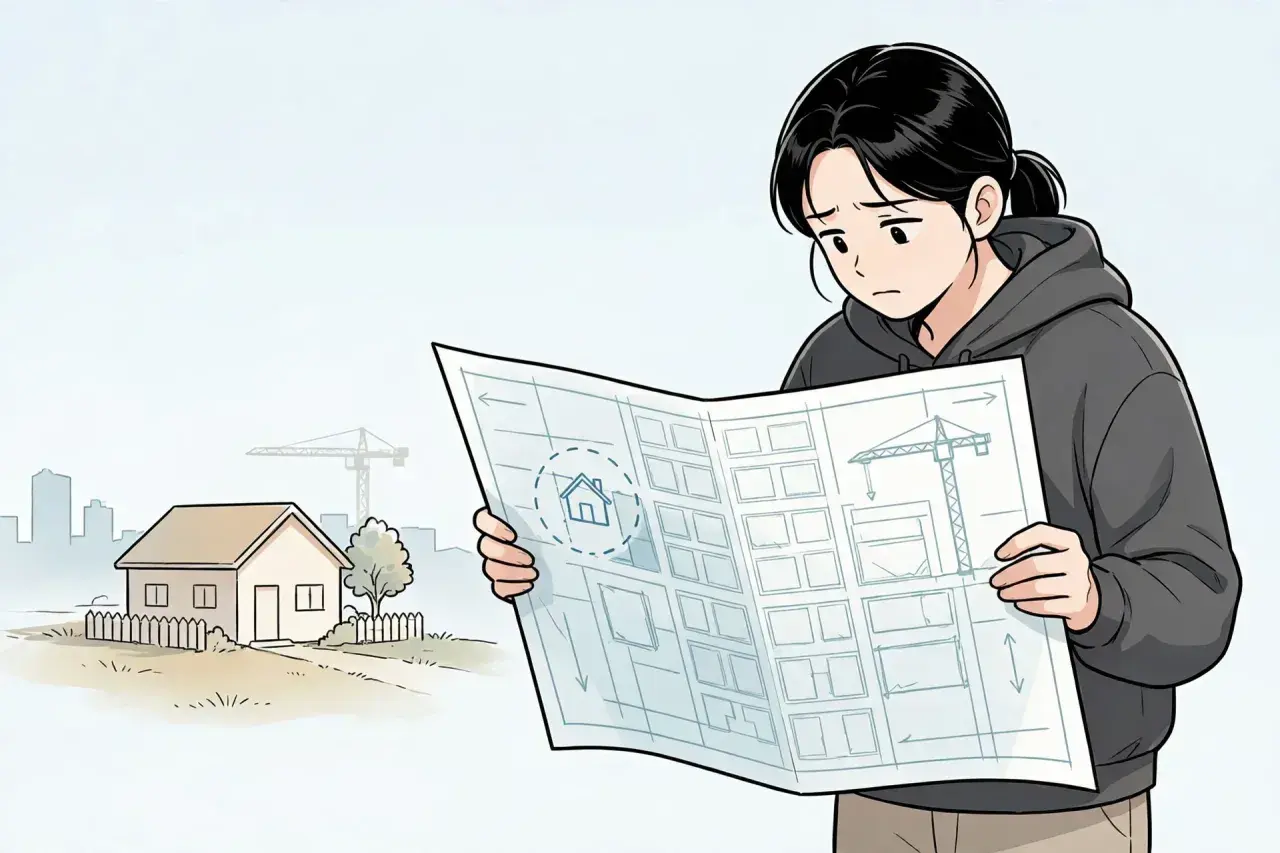
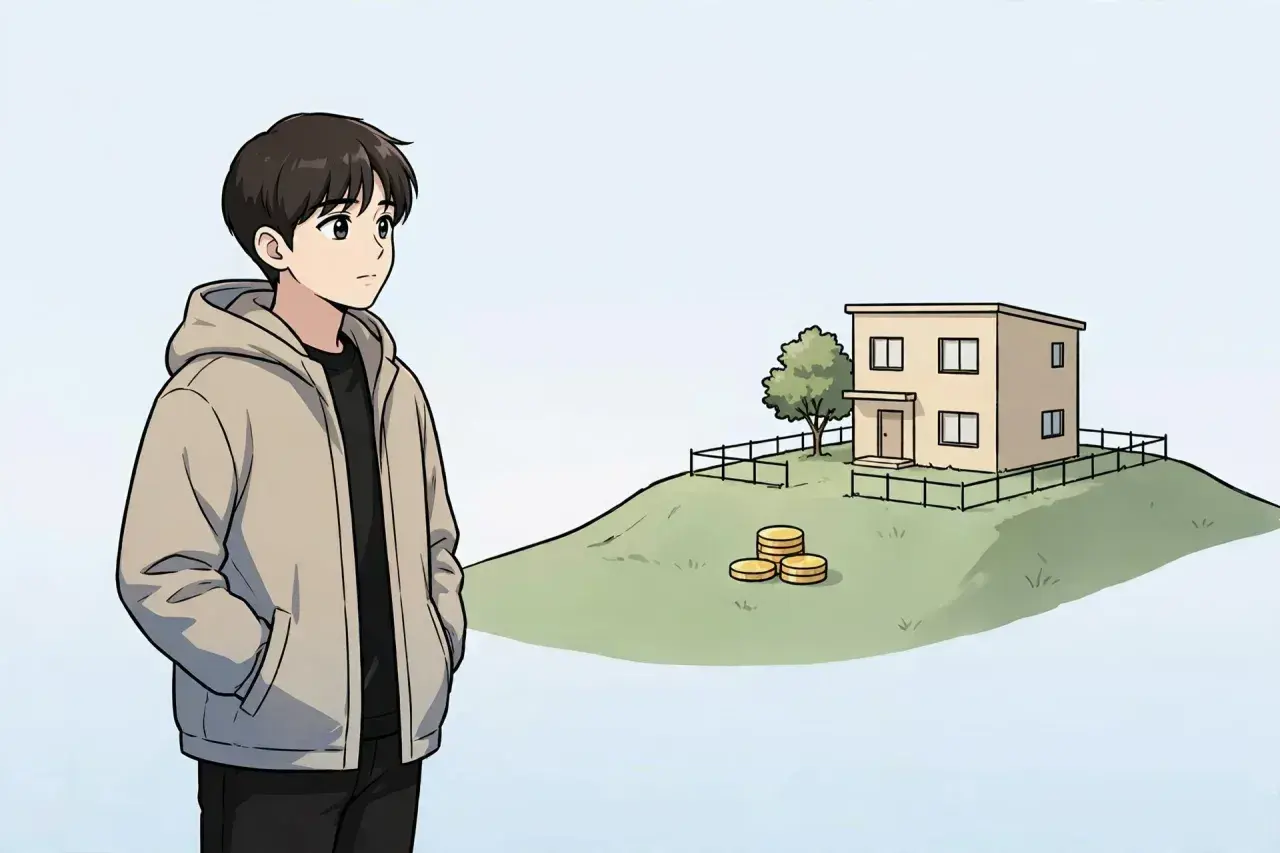
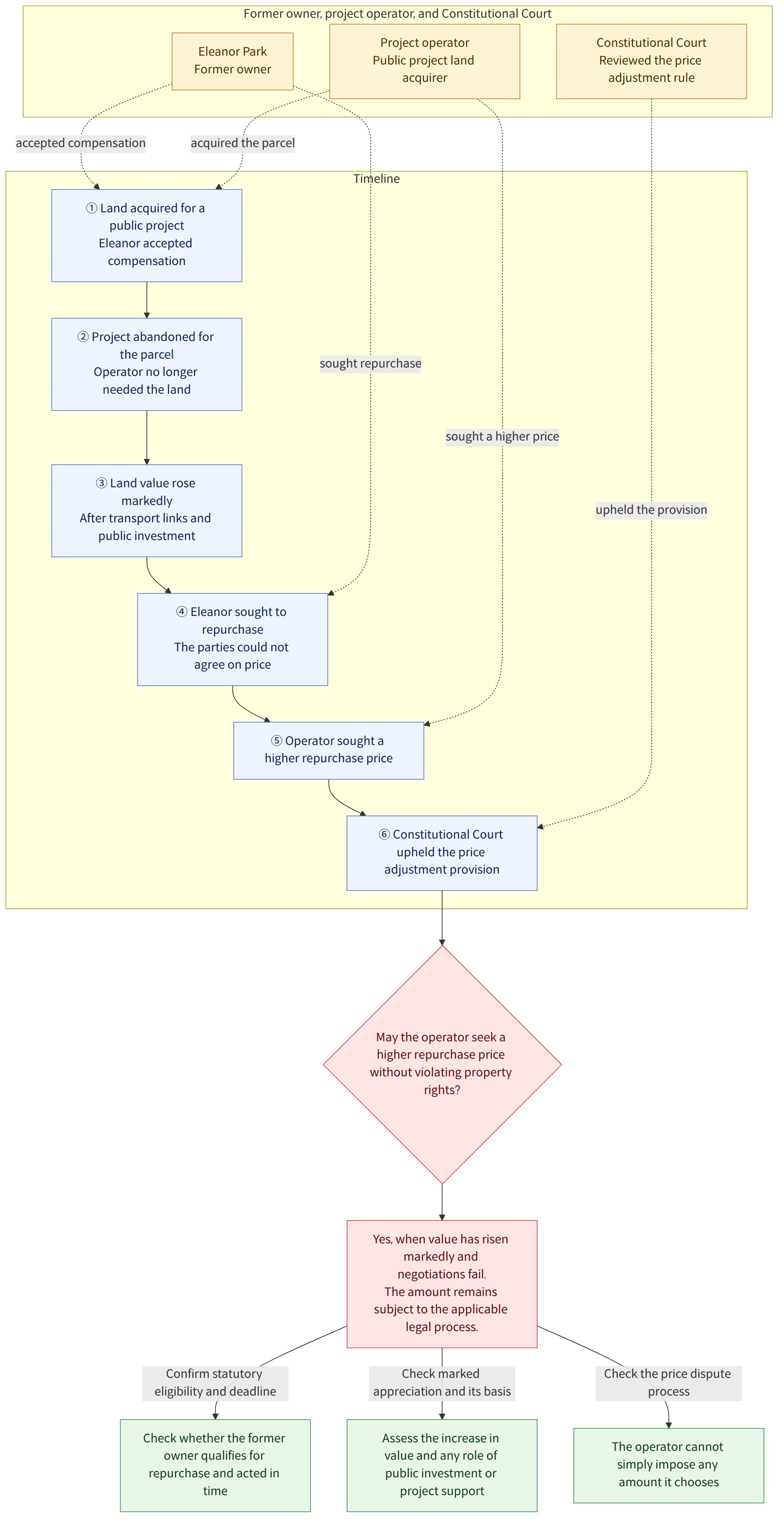
When the city acquired Eleanor Park’s small parcel on the edge of town, it was meant to make way for a public transport project. Eleanor accepted compensation and moved on, believing the land would become part of a station complex. Years later, the plan changed. The land was no longer needed for the project, and the law gave her an opportunity to buy it back.
But the neighborhood had changed in the meantime. A new transport link and public investment had helped push local land prices sharply upward. Eleanor wanted to reclaim her family’s parcel, yet she and the public project operator could not agree on the repurchase price. The operator sought an increase to reflect the land’s higher value. Eleanor wondered whether the law could require her to pay more than the amount she had originally received—and whether that violated her constitutional property rights.
2. The Legal Question
When land acquired for a public project is no longer needed and its value has risen substantially, may the project operator seek a higher repurchase price if negotiations fail? Or does that power unfairly interfere with the former owner’s property rights?
3. What Korean Law Says
Korean law recognizes a right of repurchase in certain circumstances: a former owner may be able to reacquire land that was taken for a public project but is no longer needed for that project. The right is subject to statutory conditions and deadlines; it is not an unrestricted right to recover land at any time or on any terms.
The Act on Acquisition of and Compensation for Land, etc. for Public Works Projects also addresses what happens when the land’s price has risen markedly since it was acquired. If the former owner and the project operator cannot agree on the repurchase amount, the operator may seek an increase in that amount.
The law does not guarantee that a former owner will buy back the land for exactly the compensation originally paid. Where the land’s value has risen markedly and the parties cannot agree, the project operator may claim an increased repurchase price.
The constitutional dispute turns on what the repurchase right is meant to restore—and who should receive the benefit of later development.
- The right’s limits: A repurchase right does not necessarily restore every economic advantage the former owner might have enjoyed if the land had never been acquired.
- Development gains: An increase in value may result from public works, public investment, or the institutional support provided for a project. That increase is not automatically treated as part of the land’s value at the time it was acquired.
- Payment for the land: If the former owner pays an increased amount, that payment is made in exchange for ownership of land that is now worth more.
- Disagreement: The statutory power to seek an increase does not mean the operator can simply impose any amount it chooses. The parties’ disagreement must be addressed through the applicable legal process.
4. How Korean Courts Approach This
Korea’s Constitutional Court has upheld the provision allowing a project operator to seek a higher repurchase price when land has appreciated markedly and negotiations fail. Its reasoning focuses on the purpose and balance of the repurchase arrangement.
A repurchase right does not necessarily include a right to regain the precise legal and financial position the former owner would have occupied if the acquisition had never occurred.
The Court also reasoned that development gains need not belong to the former owner when those gains arose from the project operator’s investment and efforts, or from institutional support for the public project. Giving those gains to a former owner who did not carry out the project could itself be inconsistent with fairness.
Finally, the Court viewed the increased payment as the counterpart to receiving ownership of land whose value has increased. The rule therefore does not, in itself, place a one-sided financial burden on the former owner. If the possibility of a higher price discourages someone from exercising the right, the Court characterized that as a practical deterrent rather than a legal denial of the right.
5. Applying the Law to Eleanor’s Case
Eleanor’s situation can be assessed in several steps.
- Was the land eligible for repurchase? The project had been abandoned as to her parcel, and the operator no longer needed the land for the original public purpose. Eleanor would still need to confirm that she met the statutory conditions and acted within the applicable period.
- Had the value risen markedly? The facts indicate a substantial increase after the acquisition. That brings the statutory price-adjustment rule into play, although the size and basis of the increase remain matters to establish rather than assume.
- Did negotiations fail? Eleanor and the operator could not reach agreement. Under the rule upheld by the Constitutional Court, that disagreement allows the operator to seek an increased repurchase amount through the applicable process.
- Does the increase automatically violate Eleanor’s property rights? No. The constitutional reasoning does not treat the repurchase right as a guarantee that Eleanor can reclaim the parcel for the original compensation amount. Nor does it require that all later development gains be transferred to her, particularly when public investment or project-related support helped create those gains.
- Is Eleanor compelled to accept any price the operator names? No. The operator’s ability to seek an increase is not the same as an unlimited power to dictate the final amount. Eleanor can examine the valuation and the legal basis for the claim, challenge an unsupported figure through the proper process, and decide whether buying the land back at the resulting price makes sense for her.
The constitutional question, then, is not whether Eleanor must pay whatever the operator demands. It is whether the law may take the increased value into account when the parties cannot agree. Under the Court’s approach, it may.
If you are dealing with a similar issue, attorney Ji-sun Ahn of Ijun Law Firm can review the land register, agreements or permits affecting the property, and the dates when rights were registered or changed with you. These details can help clarify which options apply to your situation.
6. Conclusion: What Happened, and What Should You Do?
Eleanor’s challenge would not succeed merely because the law permits the operator to seek a higher repurchase price. The constitutional rule is that the former owner has no automatic entitlement to reclaim the land at its original compensation amount or to receive every gain in value created after the acquisition. The operator may seek an increase, while Eleanor retains the ability to review and contest the amount and to decide whether to proceed with the repurchase.
For anyone facing a similar situation:
- Check eligibility and deadlines first. A repurchase right depends on statutory requirements, including when and how it is exercised.
- Scrutinize the valuation. Ask what explains the claimed increase and obtain independent professional advice before agreeing to a price.
- Compare the cost with the benefit. Consider the land’s current value and your own plans; you may be able to decline to repurchase rather than accept an amount you consider uneconomic.