1. A Silent Factory and a Leader's Dilemma
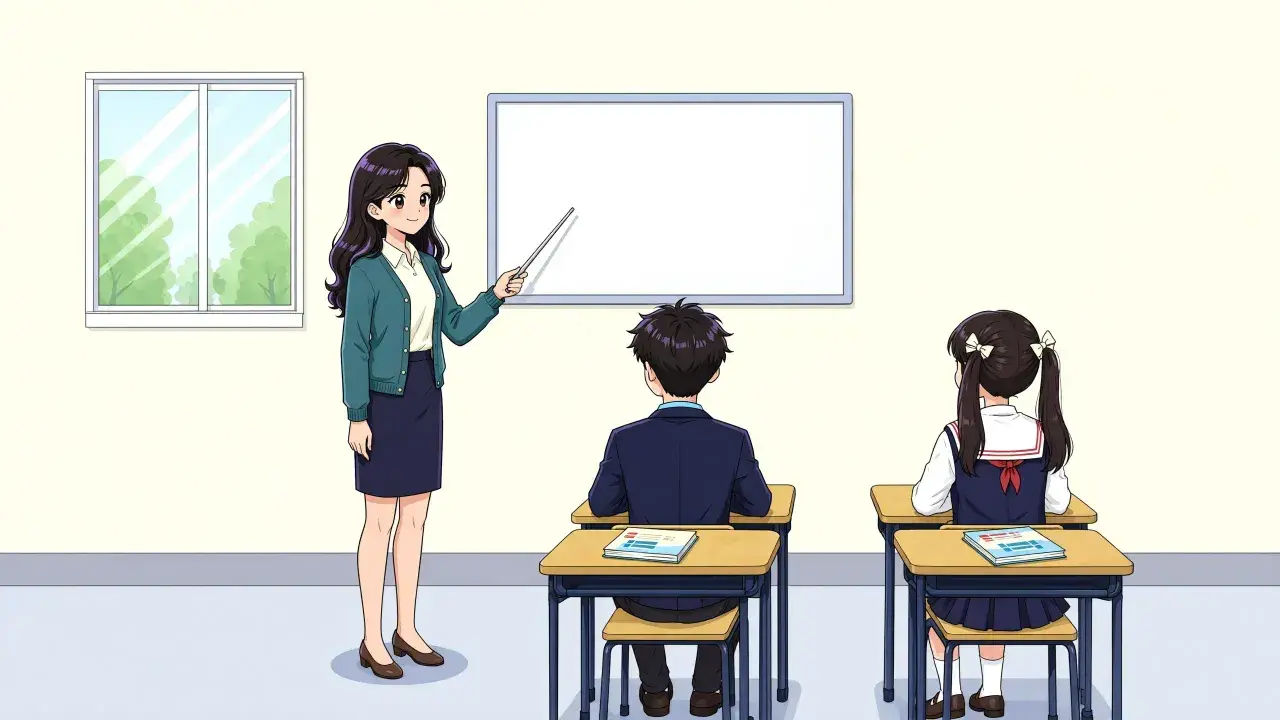
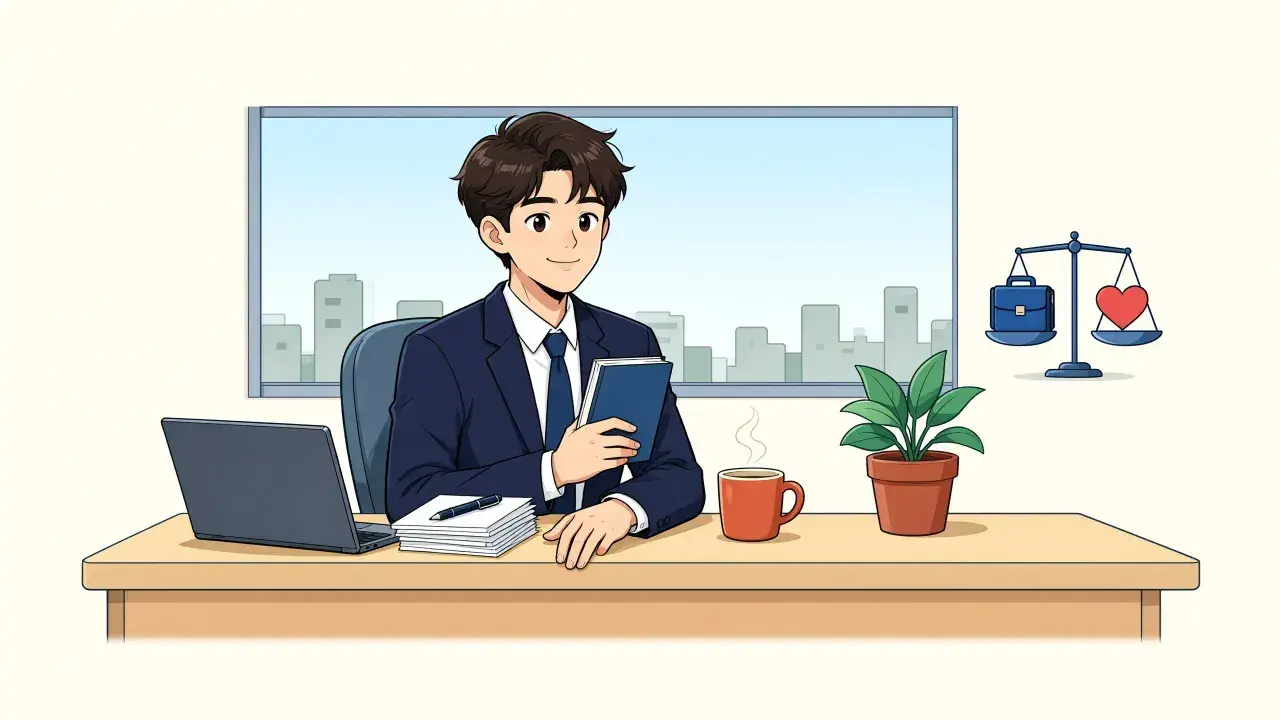
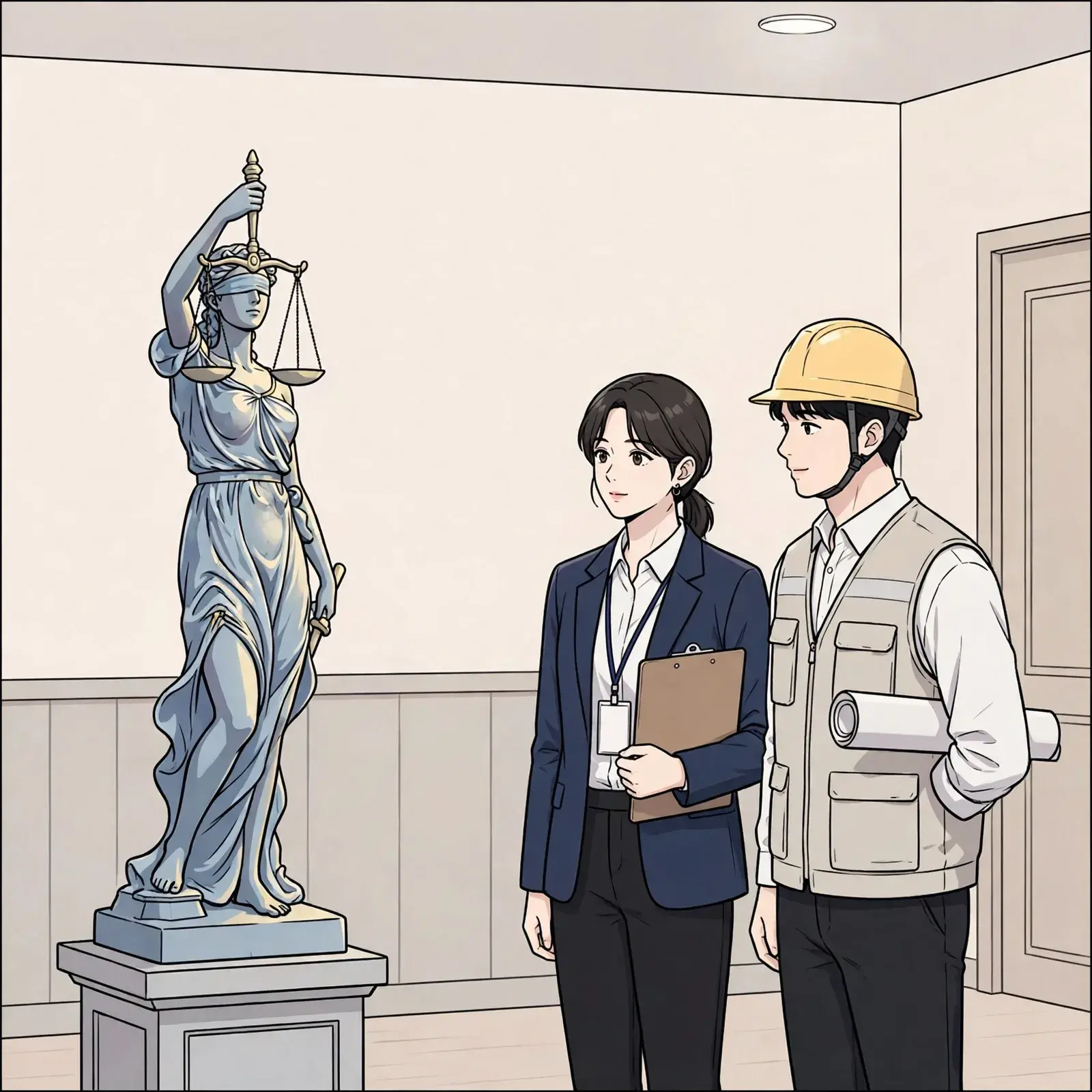
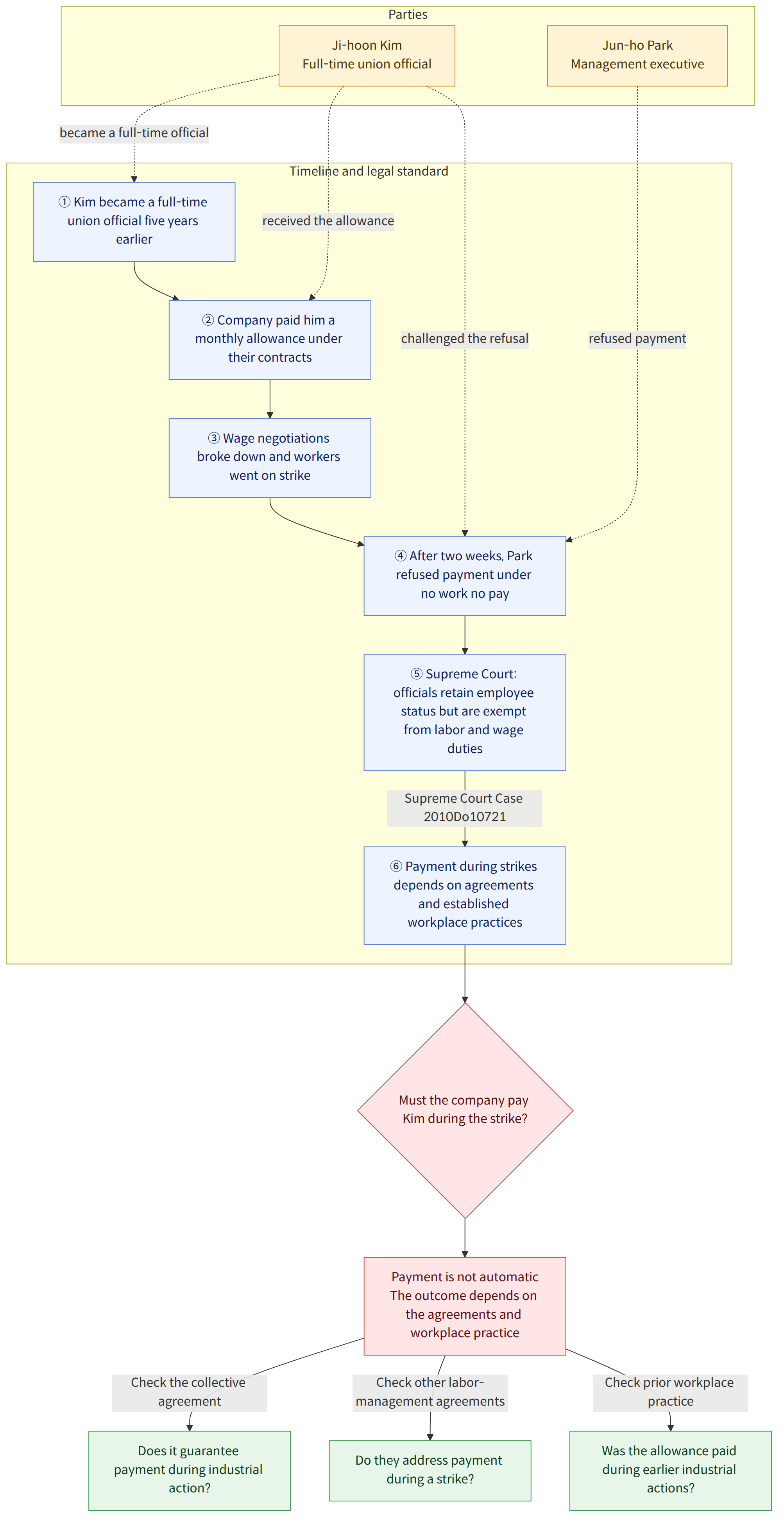
The production lines at Daehan Industries have been silent for two weeks. At the heart of this strike, sparked by a breakdown in wage negotiations, stands Ji-hoon Kim, the union branch manager. Five years ago, Ji-hoon stepped away from the factory floor to become a full-time union official. Since then, the company has paid him a monthly 'official's allowance' as agreed upon in their contracts.
However, as the strike dragged on, Jun-ho Park, the Executive Director representing management, took a hard line. "The 'No Work, No Pay' principle applies to everyone. Since our members are on strike and not working, we cannot justify paying you, who hasn't performed manual labor in years, for this period," he declared.
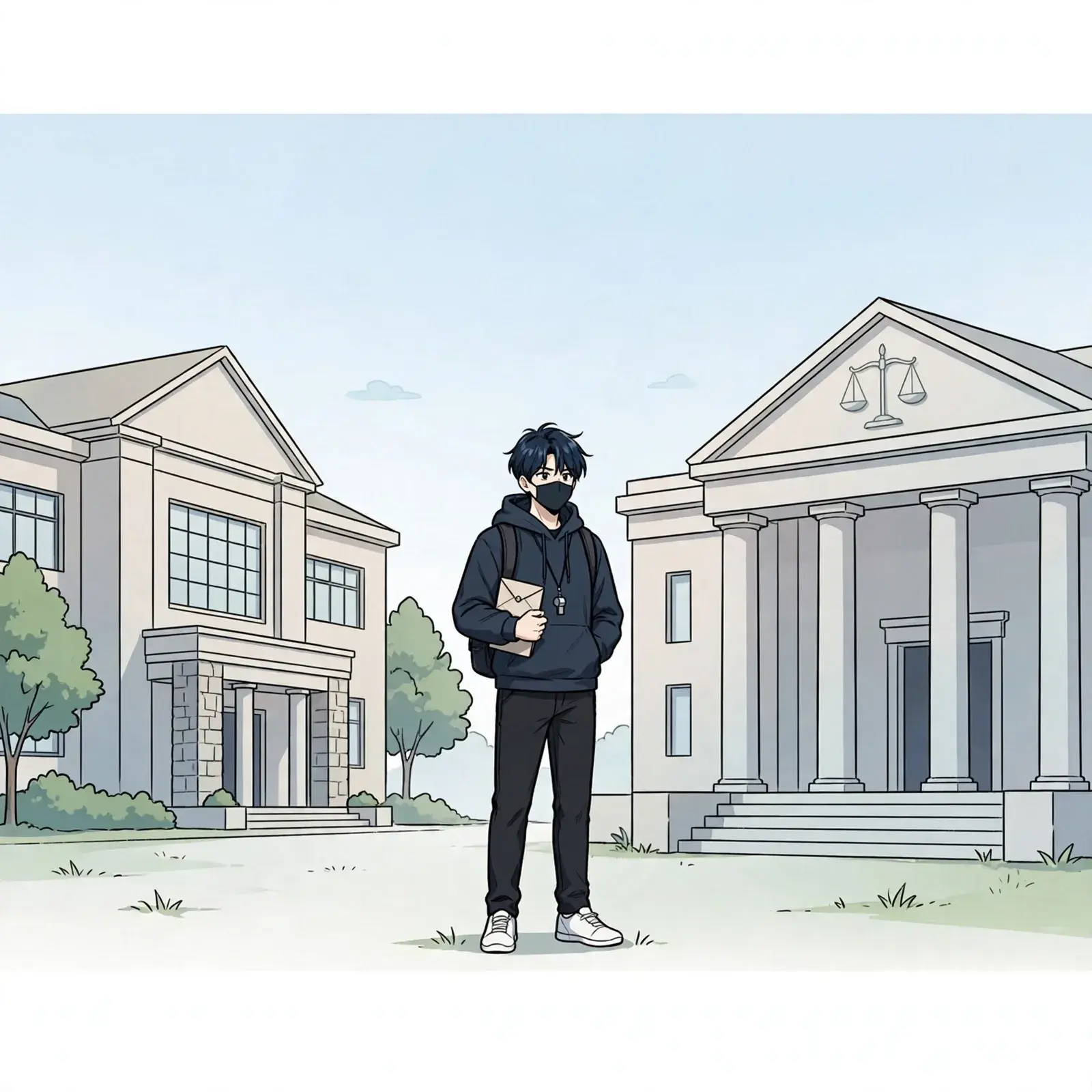
Ji-hoon was caught off guard. He was already legally exempt from labor duties to focus on union affairs. Does a strike by other workers suddenly strip him of the financial support he was promised? He wondered if the law would see his unique position as an exception or a target.
2. The Legal Question: Are Union Official Payments 'Wages'?
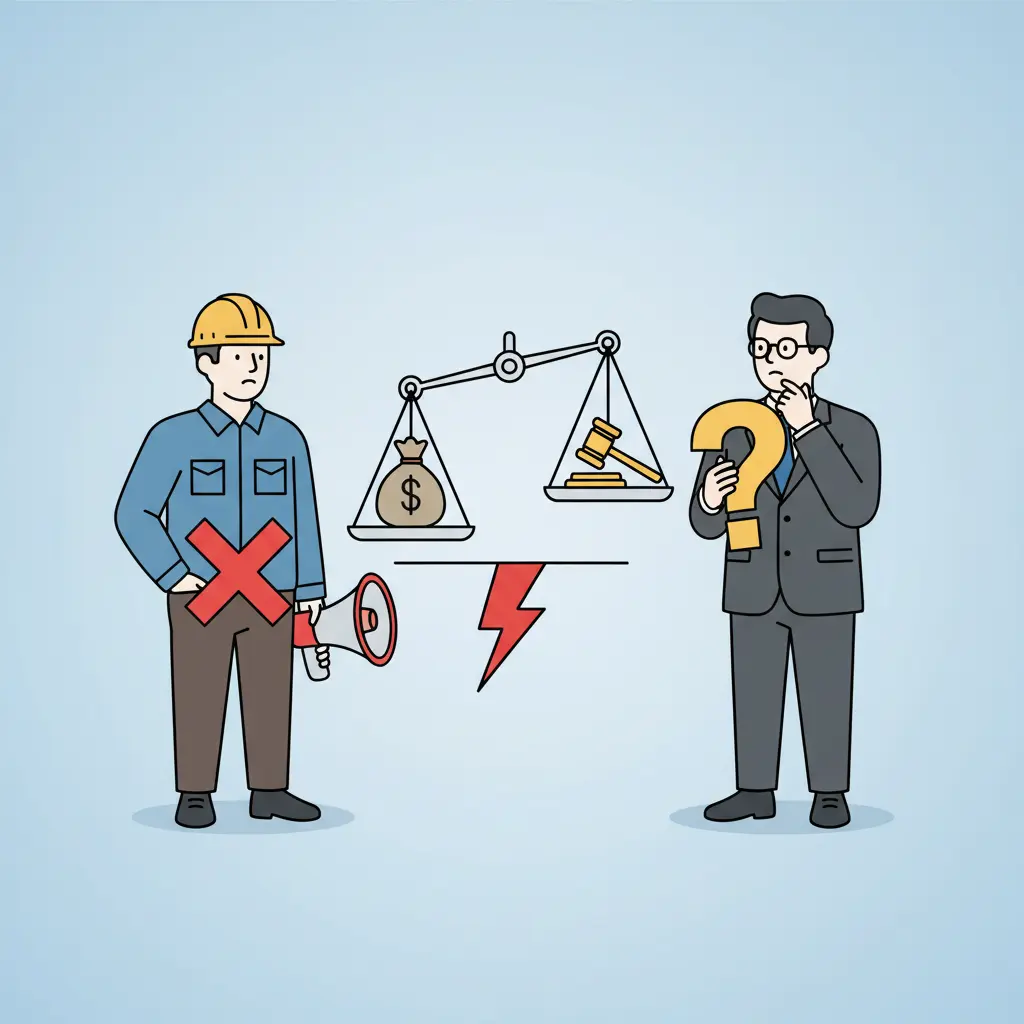
The core of this dispute lies in the legal status of full-time union officials and the nature of the payments they receive. Specifically, we must ask: Does the 'No Work, No Pay' rule apply to someone who is already exempt from work, and how do Korean courts interpret the duty to pay during a strike?
3. What Korean Law Says: The 'Leave of Absence' Status
In the Korean legal framework, a full-time union official holds a unique position. The Supreme Court defines their status as follows:
"A full-time union official maintains their status as an employee under the basic labor-management relationship. However, they are similar to employees on a leave of absence in that their duty to provide labor is exempted, and the employer's duty to pay wages is also exempted."
Key points to understand:
- Retention of Status: They are still employees of the company.
- Exemption of Duties: They don't have to work on the production line, but the company is also not legally obligated to pay them 'wages' for labor.
- Nature of Payment: Even if a company pays a union official based on a collective agreement, this money is not strictly 'wages' (compensation for work). It is viewed as a 'benefit' provided to facilitate union activities.
4. How Korean Courts Approach Strike Situations
The Supreme Court of Korea does not apply a one-size-fits-all rule for strike periods. Instead, it looks at the specific agreements and long-standing customs of the workplace.
According to the landmark ruling (Supreme Court Case 2010Do10721), whether an employer must pay a union official during a strike should be judged individually based on:
- The contents of the Collective Agreement.
- The existence of any other specific labor-management agreements.
- The established labor-management practices at that particular workplace.
In short, if there is a clear agreement or a consistent history of paying the official even during strikes, the company must continue to do so. Otherwise, the company may have the right to withhold payment.
5. Applying the Law to Ji-hoon’s Case
Let's look at Ji-hoon Kim's situation. If the collective agreement at Daehan Industries specifically states, "The union official's allowance shall be paid at the level of an average worker's wage and is guaranteed regardless of the union's industrial action status," then Ji-hoon has a strong claim to his pay.
However, if the agreement is vague and the company has a history of docking union officials' pay during past strikes, Jun-ho Park's management team might be legally justified in their refusal. The court often considers whether it would be unfair for a union leader to receive full pay while the members they lead are suffering financial losses due to the strike.
6. Conclusion: The Resolution and Practical Advice
For Ji-hoon Kim, the outcome depends entirely on the 'fine print' of his past agreements with Daehan Industries. If the contract doesn't explicitly protect his pay during a strike, the court is likely to side with the company, viewing the lack of work by the membership as a reason to suspend the 'benefit' paid to the leader.
For readers in labor unions or management, here are two practical tips:
- Be Explicit in Agreements: When drafting collective agreements regarding union officials, clearly state whether payments will continue during strikes, lockouts, or business suspensions to avoid future litigation.
- Document Past Practices: Keep thorough records of how union officials were paid during previous industrial actions. These records serve as 'labor-management customs,' which carry significant weight in Korean labor courts.
This column provides general legal information and does not constitute professional legal advice for specific cases. Always consult with a legal expert regarding individual disputes.