1. A Human Story
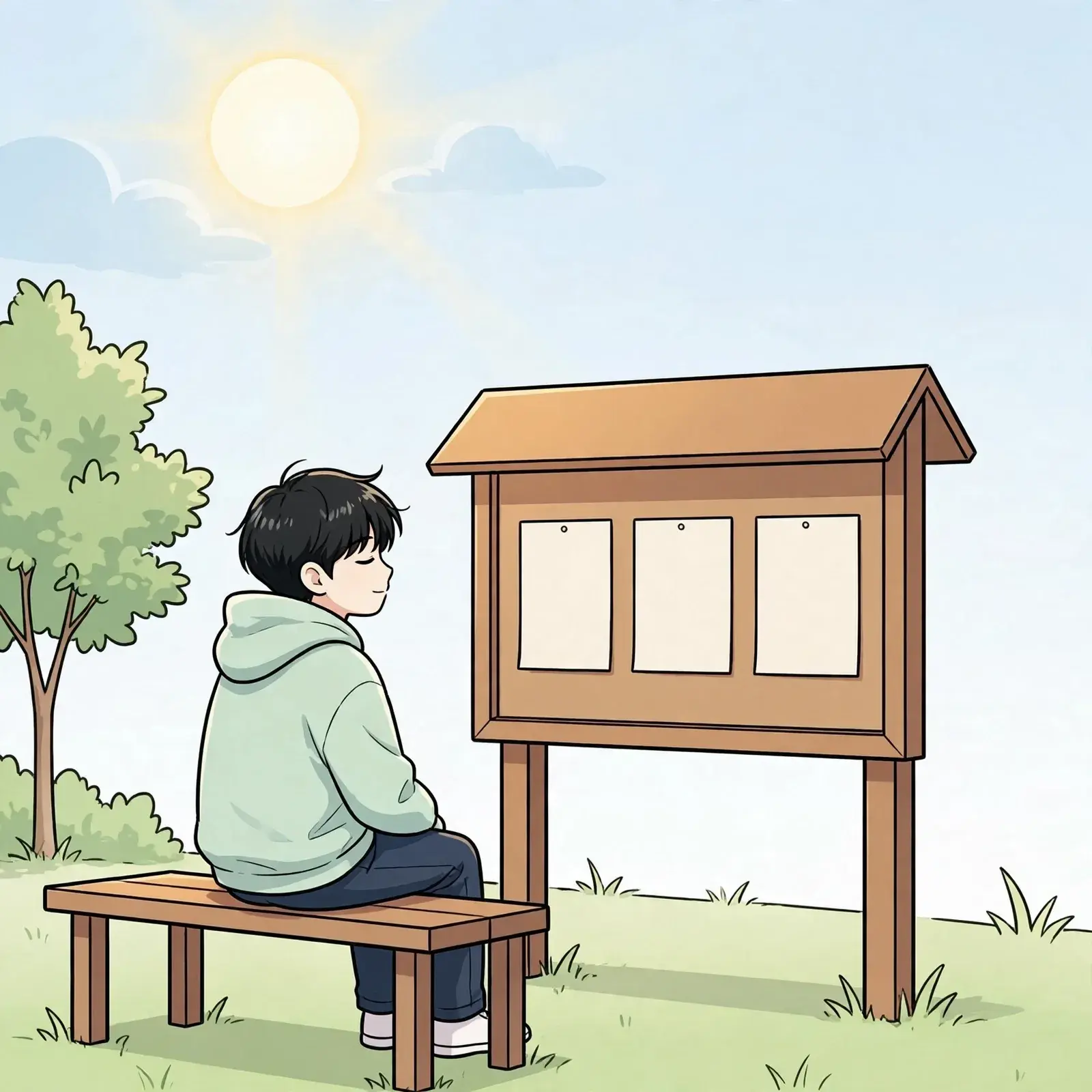
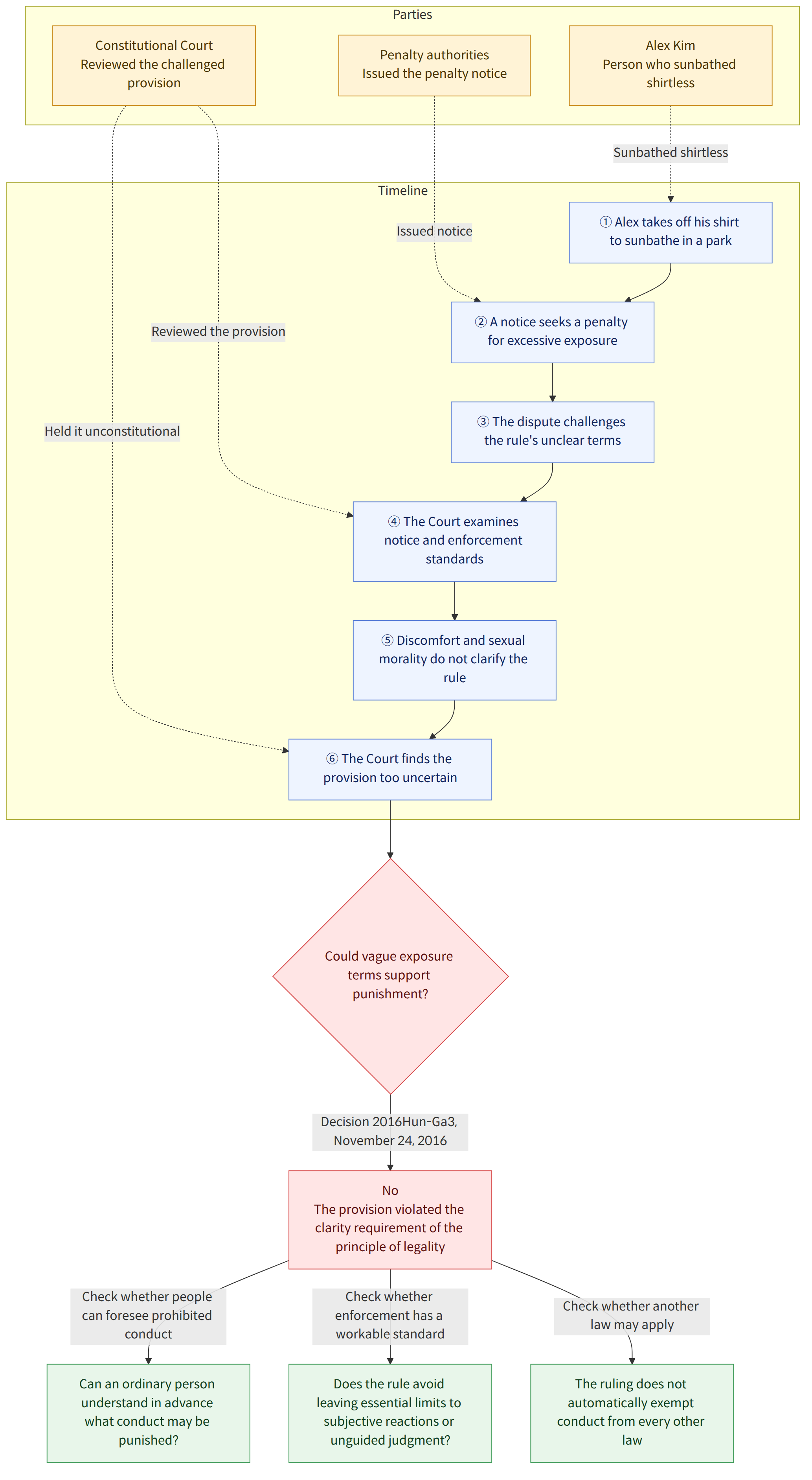
On a bright Saturday in Seoul, Alex Kim spread a towel on the grass in the small park across from his apartment. Hoping to catch some sun, he took off his shirt. Families were nearby, but Alex did not approach anyone, make a gesture, or behave provocatively. He simply lay back in the afternoon light.
A few days later, a notice arrived: Alex was expected to pay a penalty for an act described as excessive exposure. The phrase unsettled him. He understood that people might find shirtless sunbathing uncomfortable, but he could not tell what the law considered “excessive,” or which parts of the body had to remain covered. Was the rule about nudity, public manners, or the reaction of whoever happened to see him?
2. The Legal Question
Could Korea punish Alex under a provision that penalized publicly exposing the body excessively—or uncovering parts that should be covered—so as to cause another person embarrassment or discomfort, when the statute did not clearly define those terms?
3. What Korean Law Says
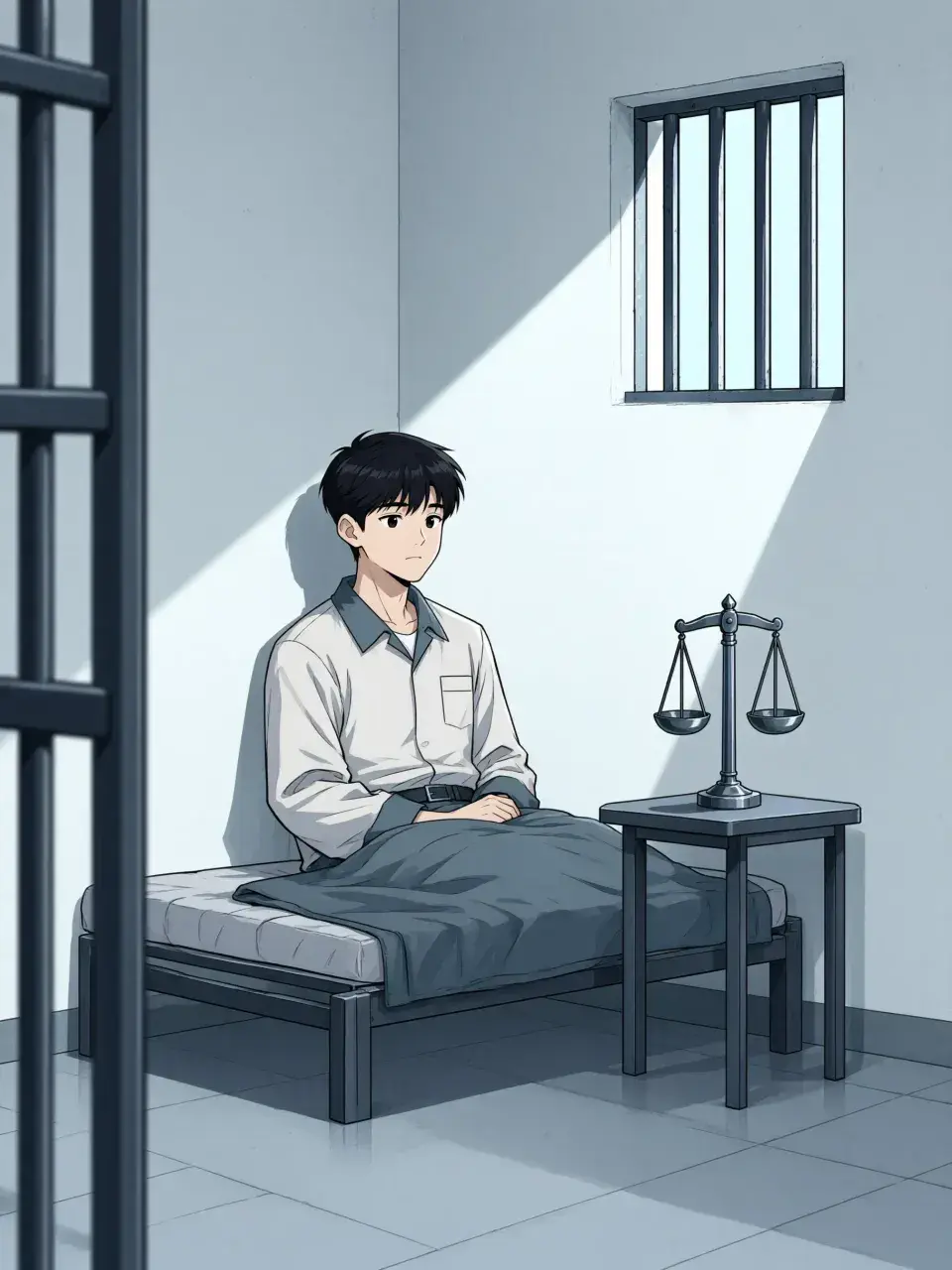
The issue is not whether public behavior can ever be regulated. It is whether a criminal or quasi-criminal rule gives people fair notice of what conduct is forbidden and constrains the authorities who enforce it. That requirement is part of the constitutional principle of legality: punishment must rest on a rule clear enough for ordinary people to understand and for officials to apply consistently.
The provision at issue used expressions such as “excessively exposing” the body and exposing “parts that should be covered.” It also linked liability to whether another person felt embarrassment or discomfort. The Constitutional Court concluded that these phrases did not provide a sufficiently definite standard.
The Court found that the statute did not make clear what counted as excessive exposure or which body parts were meant by those that should be covered. A person’s feeling of embarrassment or discomfort could not reliably resolve that uncertainty.
The Court also considered whether the rule could be clarified by its stated aim: protecting accepted sexual morality and public sexual standards. But those concepts were themselves difficult to define precisely. Nor did a Supreme Court explanation—that conduct causing no more than embarrassment or discomfort could fall within the provision—answer the central questions about what exposure was excessive or what body parts had to be covered.
The constitutional concern was practical, not merely academic. If lawmakers intend to prohibit exposure of a particular body part, they can identify it in the statute. The Court noted that clearly naming the genitals, for example, would be one way to specify the conduct targeted by a rule against deliberate genital exposure. The legislature had not shown that drafting a more precise rule was impossible or exceptionally difficult.
In its decision of November 24, 2016, in case 2016Hun-Ga3, the Constitutional Court held the challenged provision unconstitutional for violating the clarity requirement of the principle of legality.
The key points are:
- A person must be able to understand, in advance, what conduct may lead to punishment.
- Criminal rules cannot leave essential limits to shifting personal reactions or an officer’s unguided judgment.
- A constitutional ruling about vague wording does not automatically exempt conduct from every other law that may apply to the same facts.
4. How Korean Courts Approach This
Korean courts do not demand that every statute spell out every possible factual variation. Some legal terms necessarily require judgment, and courts may read them in context, alongside the statute’s purpose and established interpretations. But that flexibility has limits when a provision carries punishment.
The question is whether people can reasonably foresee what the rule covers and whether enforcement officials have a workable standard to distinguish punishable conduct from lawful conduct. The more a provision depends on a subjective response—such as whether a bystander feels embarrassed—the harder it may be to provide consistent notice. A general appeal to morality does not cure the problem if the protected standard is itself unclear.
Here, the Constitutional Court did not merely say that the rule could be applied more carefully. It concluded that the words at its core were too uncertain, and that lawmakers could have drafted a more precise prohibition. The result was a constitutional defect in the provision itself.
5. Applying the Law to Alex’s Case
Alex’s situation brings the problem into focus.
- The notice relied on the challenged exposure rule. If the only alleged misconduct was that Alex removed his shirt to sunbathe in a public park, the authorities had to identify a valid legal provision that covered that conduct.
- The statutory language did not provide a clear dividing line. “Excessive” exposure did not say how much exposure was too much. “Parts that should be covered” did not identify the relevant body parts. And whether an observer felt discomfort could vary from person to person.
- The purpose of the rule could not fill the gap. Describing the aim as protecting public sexual morality did not tell Alex where the legal boundary lay. Nor could a general judicial explanation about causing embarrassment supply the missing definition.
- The constitutional ruling matters if that was the sole basis for punishment. After the Constitutional Court’s decision, the challenged provision could not serve as a constitutionally valid basis for punishing Alex. But the ruling does not establish that every act of exposure is lawful. Conduct involving deliberate sexual acts, harassment, or other distinct behavior may raise separate legal questions under different provisions. The details and the precise legal basis matter.
The same distinction matters for procedure. A person who receives a penalty notice should not assume that the notice disappears automatically, or that every amount already paid will be returned without a request. The available route depends on what kind of notice was issued, when it was received, whether it was paid, and whether a court proceeding has begun. Deadlines can be short, so the paperwork—not just the description of the conduct—must be checked.
6. Conclusion: What Happened, and What Should You Do?
In Alex’s story, the penalty was based solely on the vague excessive-exposure provision. He challenged it, pointing to the absence of a clear definition of prohibited exposure. Under the Constitutional Court’s 2016 ruling, that provision could not constitutionally support punishment. Alex’s shirtless sunbathing, on those facts alone, could not be penalized under that invalidated rule. That conclusion does not guarantee that every person in a similar setting will avoid scrutiny under a different law, but it resolves the legal issue raised by the notice.
If you receive a similar notice, take these practical steps:
- Read the stated legal basis and the deadline. Do not rely only on a short description such as “indecent” or “excessive exposure.”
- Keep evidence of what happened. Preserve the notice, photographs or video, witness details, and a clear account of the location and conduct.
- Get advice promptly if you intend to contest it. Ask whether the notice relies on the provision invalidated in 2016, what procedure applies to your specific notice, and whether any separate offense is alleged.