Understanding Your Rights to Land You Don't Own
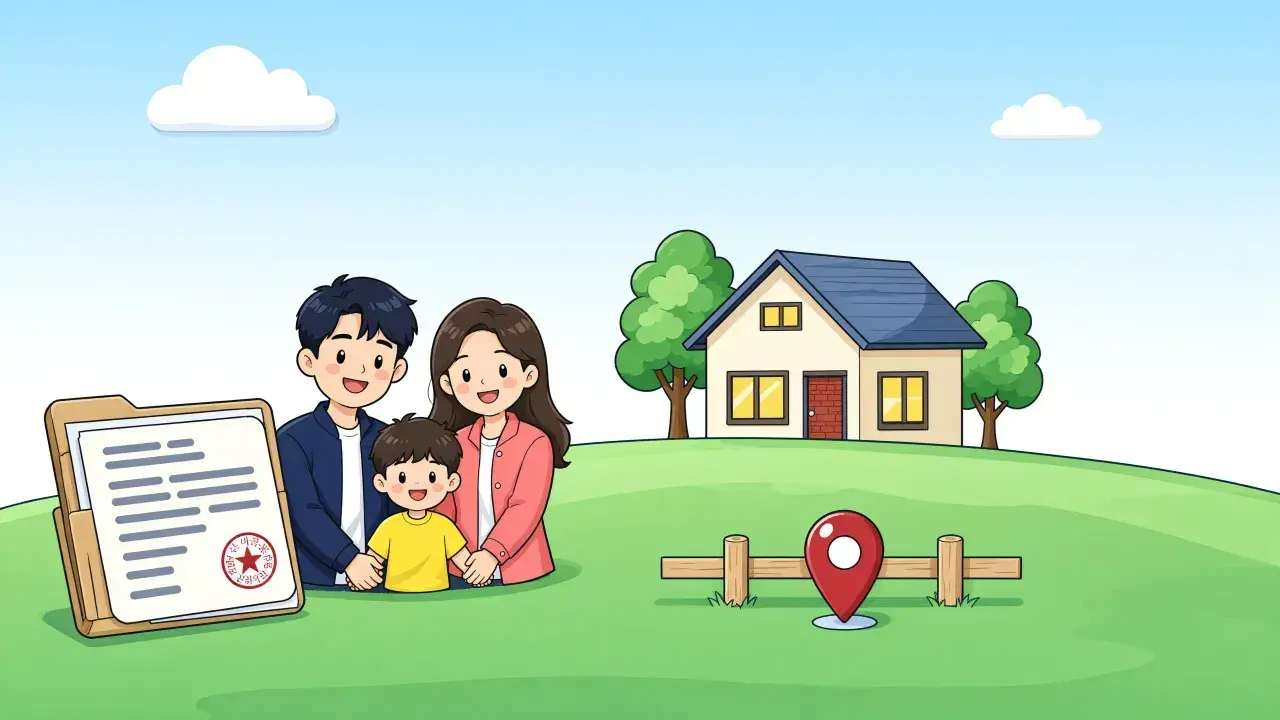
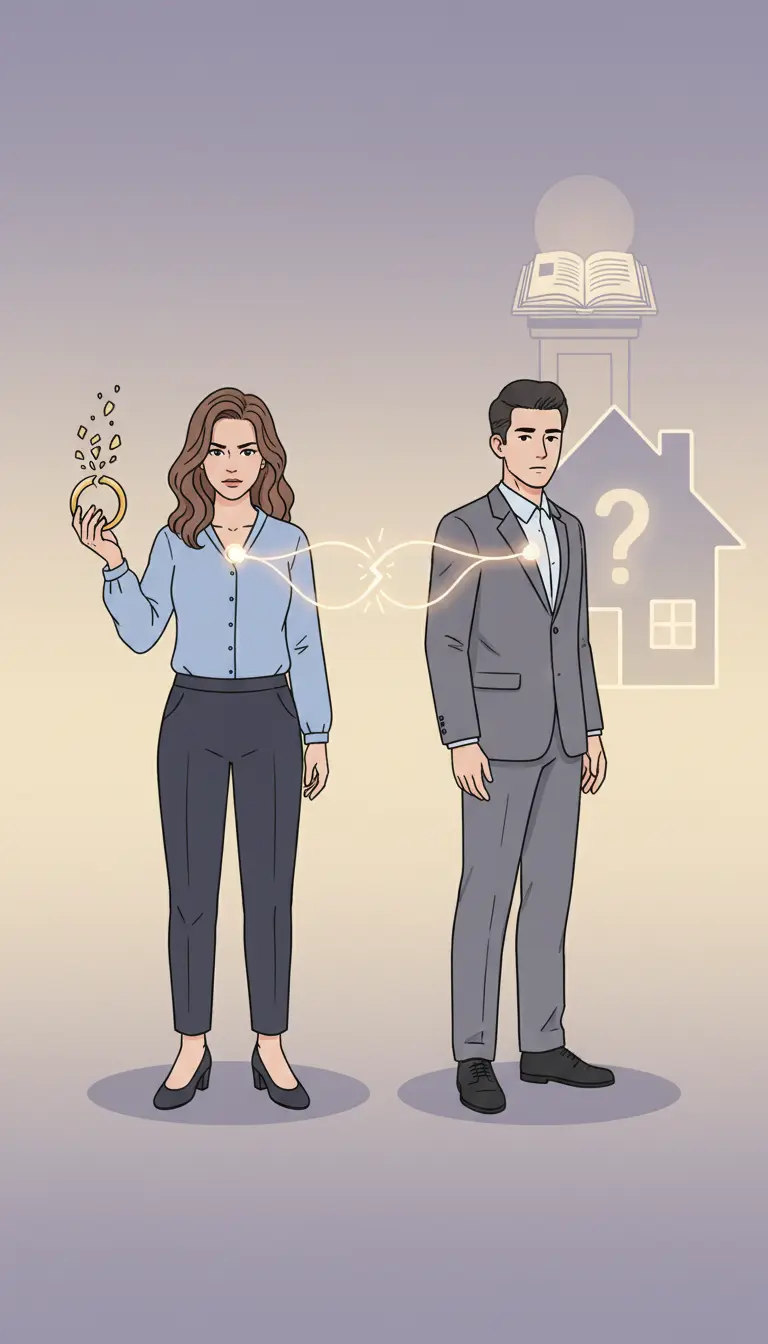
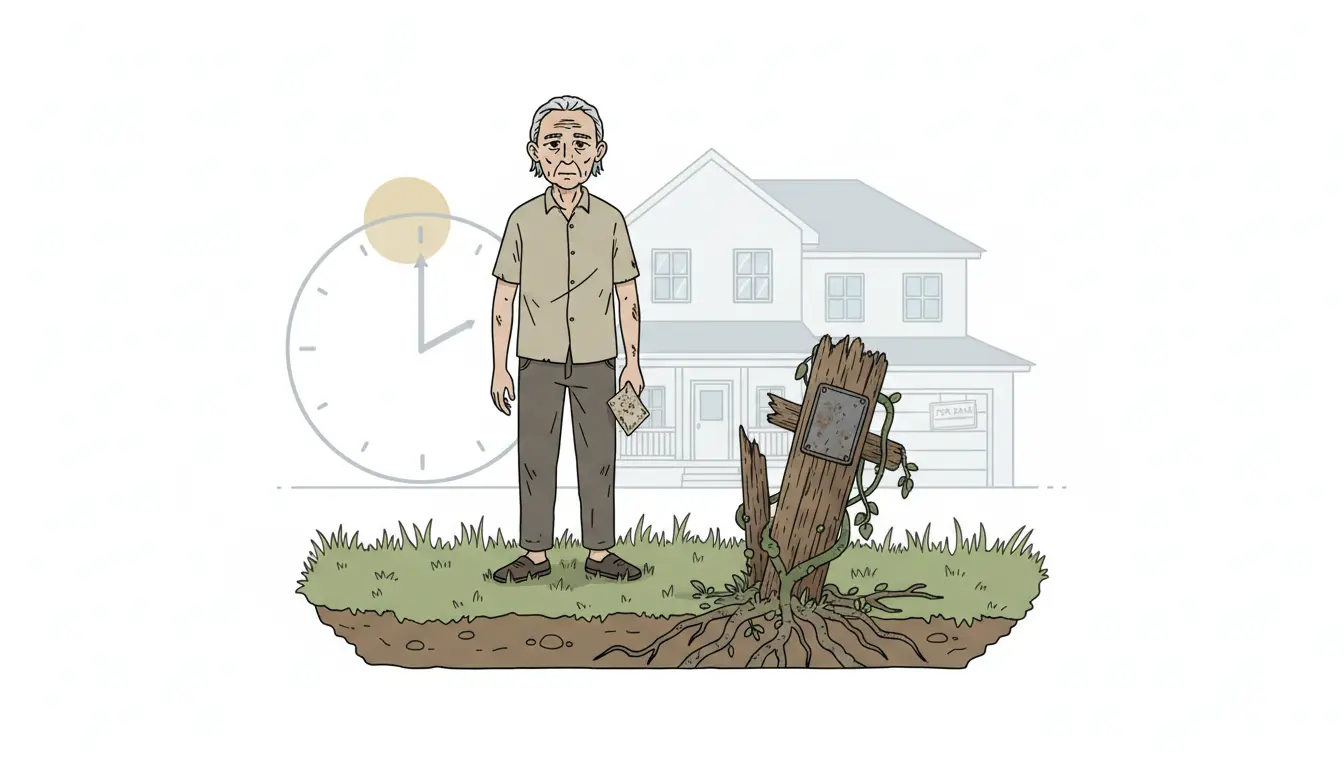
In Korea, it is possible to own a building while the land beneath it belongs to someone else. This is often managed through a legal right called Superficies (Jisang-gwon). However, disputes often arise decades later when the original landowner dies and heirs demand the land back.
What is Superficies (Jisang-gwon)?
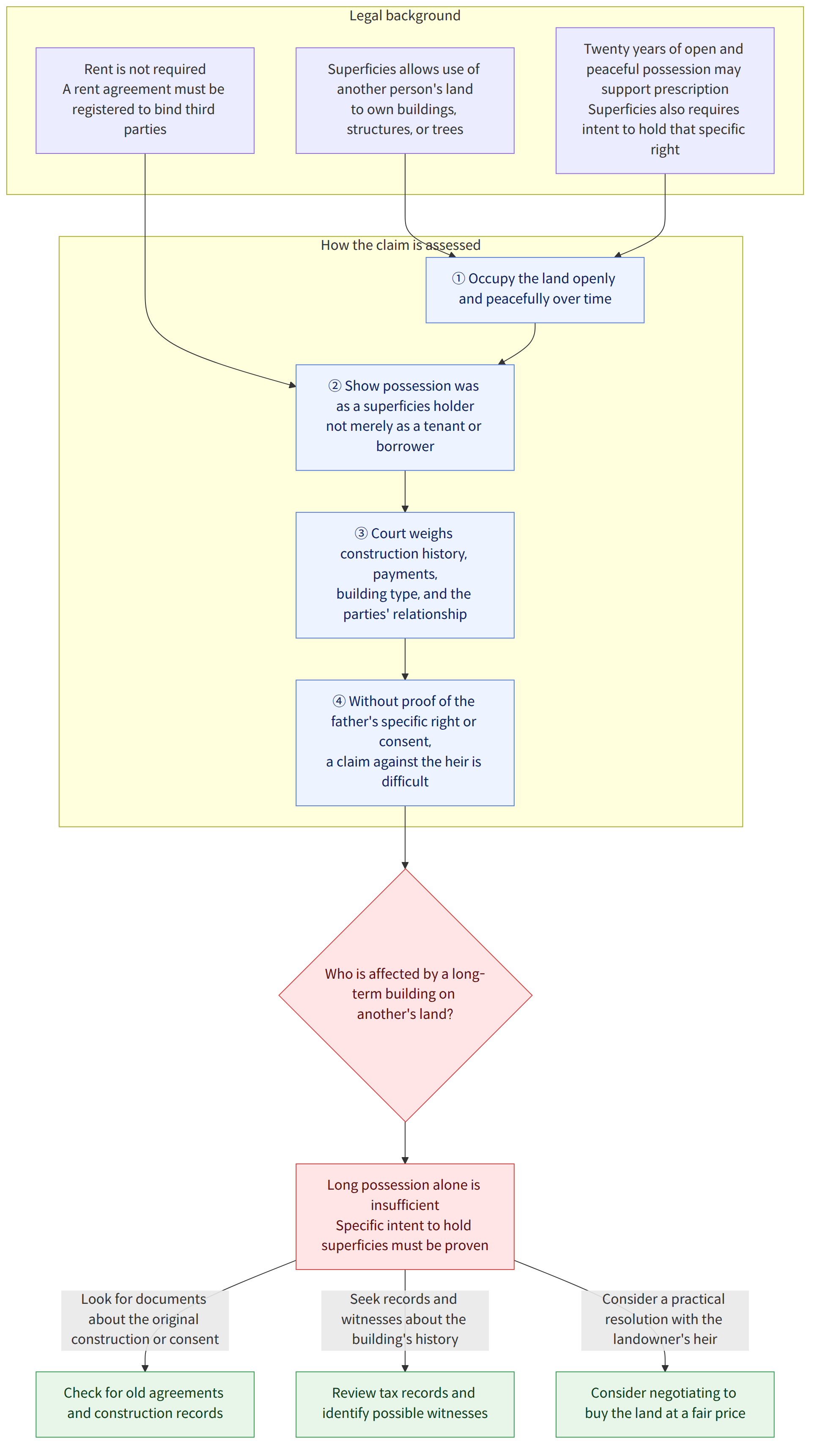
According to Article 279 of the Civil Act, Superficies is the right to use another person's land to own buildings, structures, or trees.
- Payment: Paying rent (land use fees) is not a mandatory requirement for this right to exist.
- Registration: If there is a rent agreement, it must be registered to be effective against third parties (like a new buyer or an heir).
Can You Acquire This Right Automatically Over Time?
Under Korean law (Article 245 and 248), you can acquire property rights if you occupy them peacefully and openly for 20 years. This is called Acquisitive Prescription.
However, for Superficies, simply living there for 20 years is not enough. The Supreme Court has ruled that:
To claim the acquisition of Superficies by time, the occupant must prove that their possession was specifically based on the intent of a 'Superficies holder' and not just a simple tenant or borrower.
How Does the Court Decide?
The court looks at several factors to decide if your long-term stay qualifies as a legal right:
- How the building was originally constructed.
- Whether any money was exchanged (compensation).
- The type and structure of the building.
- The historical relationship between the landowner and the occupant.
Practical Advice for Foreign Residents
In the case described, if you cannot prove that your father had a specific legal agreement to hold Superficies (such as an explicit consent for construction in exchange for something), it is difficult to win against the landowner's heir.
- Negotiation: Try to negotiate a purchase of the land at a fair price.
- Evidence: Search for any old documents, tax records, or witnesses regarding the original building construction 45 years ago.
--- This information is for general guidance and does not replace professional legal advice tailored to your specific situation.