1. The Persistent Shadow: The Case of Cheol-su Park
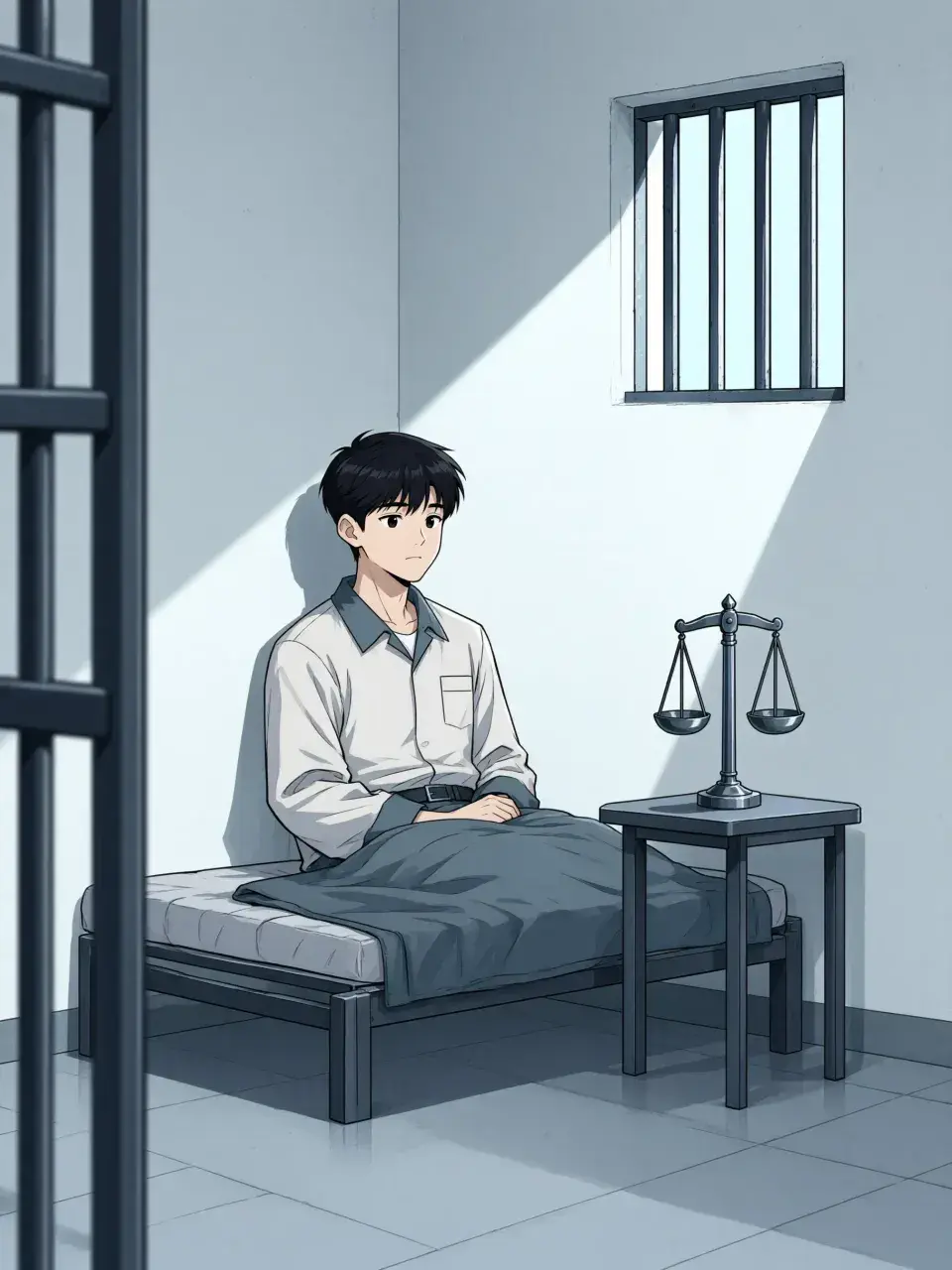
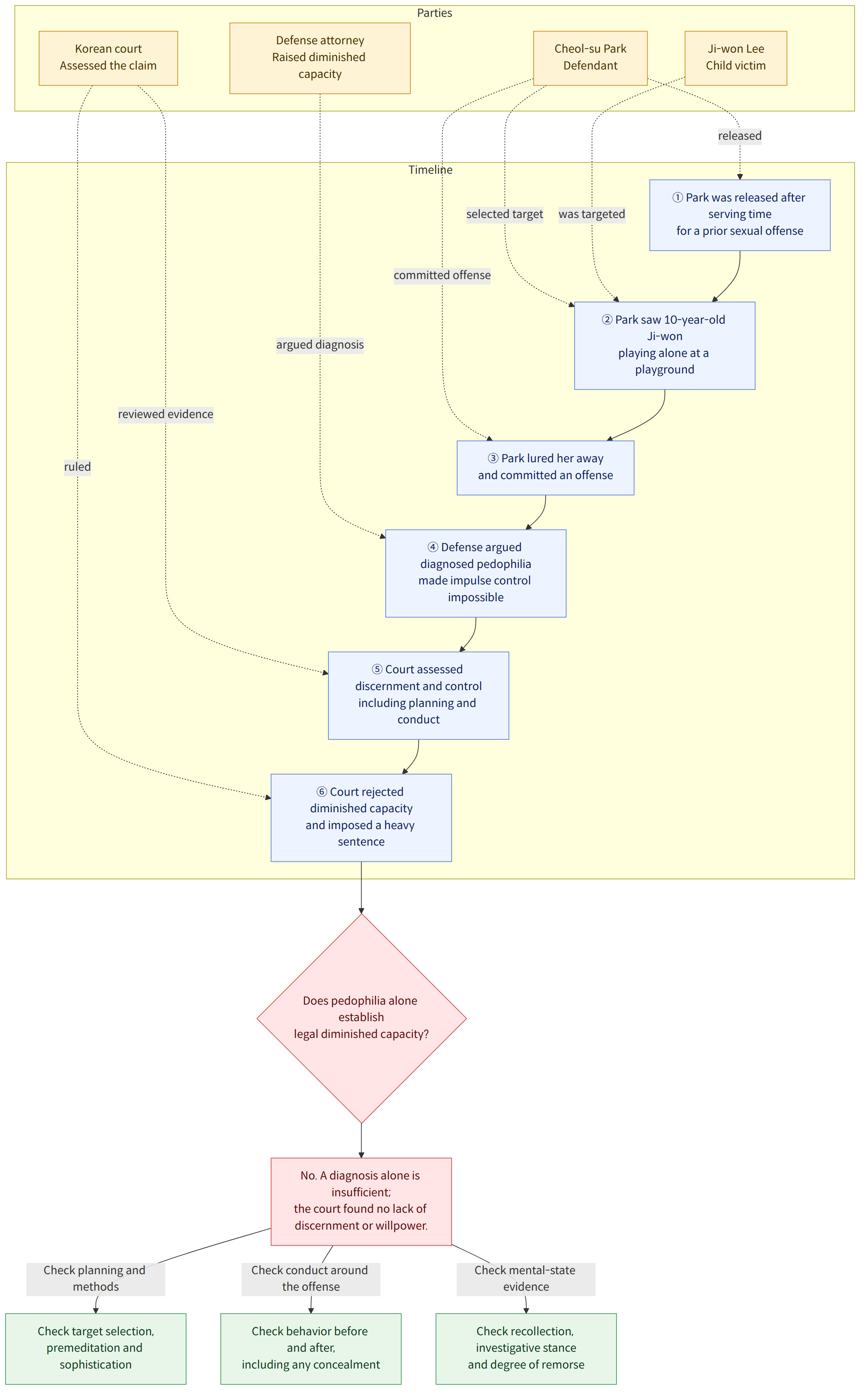
Cheol-su Park (pseudonym) was a man who had recently been released from prison after serving time for a sexual offense against a minor under the age of 13. Upon his return to society, he seemed determined to start a new life. However, that resolve was short-lived. Not long after his release, on a quiet afternoon, he spotted 10-year-old Ji-won Lee (pseudonym) playing alone at a playground in an apartment complex. Using a method strikingly similar to his past crimes, Park lured the child away and committed a heinous act.
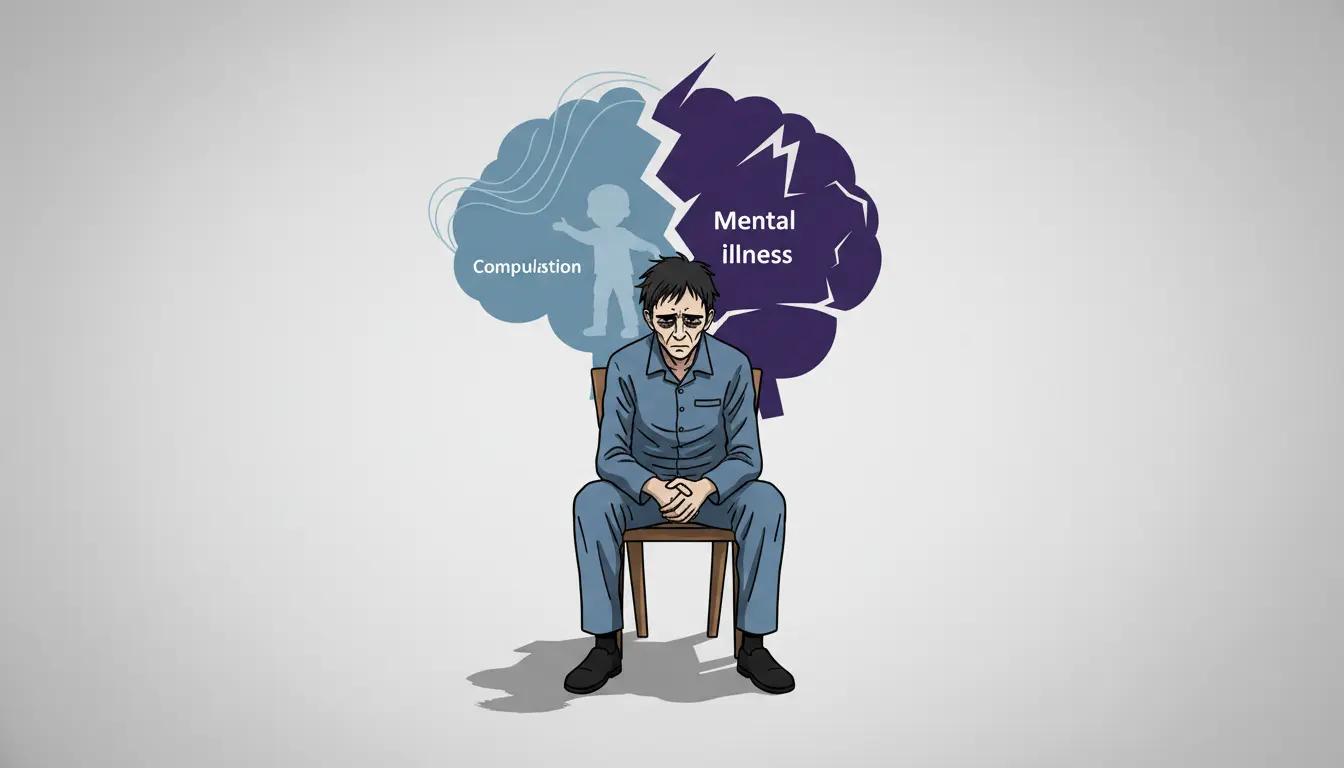
During the investigation, Park's defense attorney argued that Park had long suffered from 'pedophilia,' a diagnosed clinical condition. They claimed that this disorder made it virtually impossible for him to control his sexual impulses. The logic was that Park’s actions were not a result of pure malice but were committed in a state of 'diminished capacity' due to a mental disability.
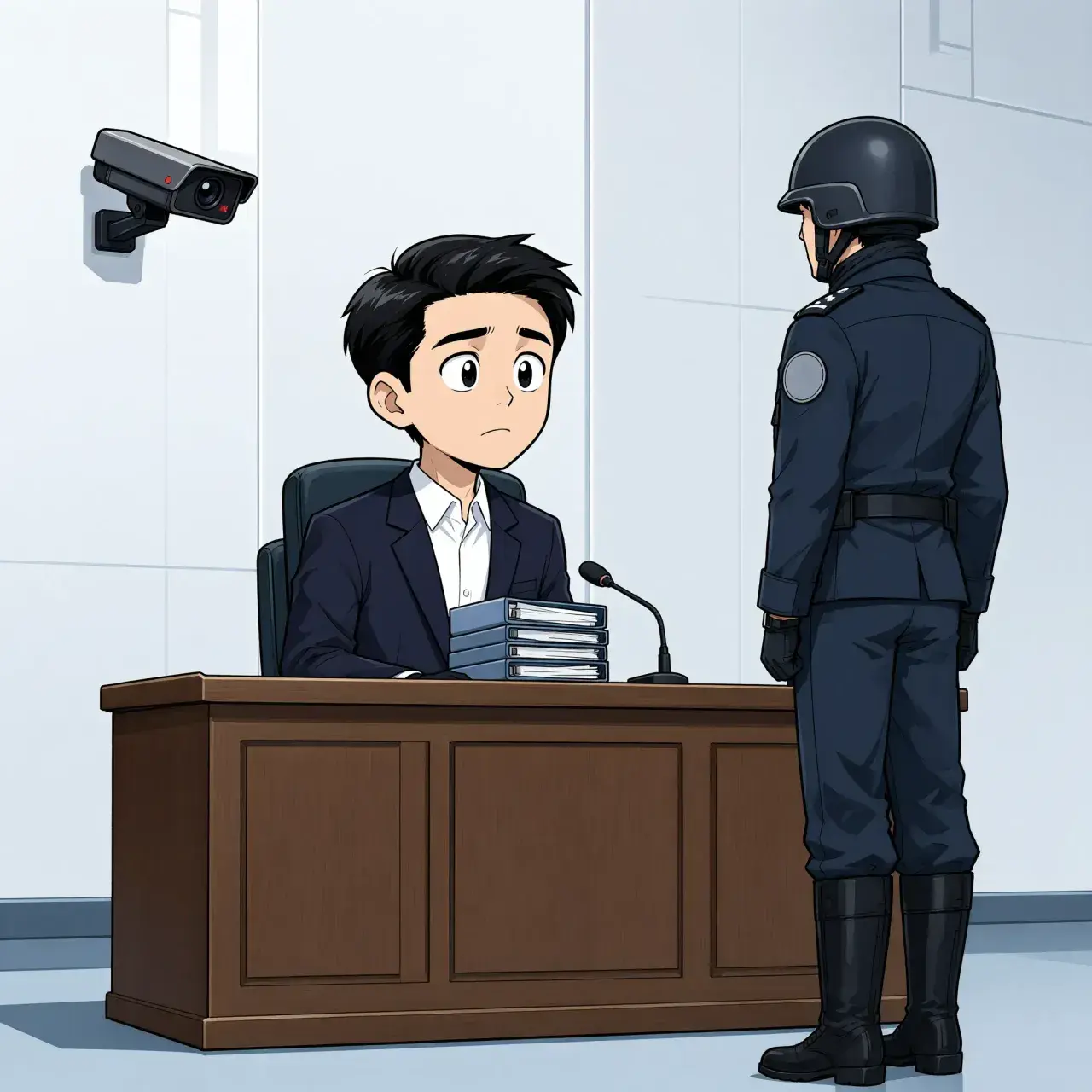
In court, Park tearfully pleaded, "I couldn't stop what the disease in my head was telling me to do." Can the law truly grant leniency for a crime based on such a psychological diagnosis?
2. The Core Legal Question
The central issue in this case is whether pedophilia qualifies as a 'mental or physical disability' (insanity defense/diminished capacity) under the Korean Criminal Act. Specifically, did Park lack the ability to discern right from wrong or the willpower to control his actions at the time of the crime?
3. What Korean Law Says About Mental Disabilities
The Korean Criminal Act and the Special Act on the Punishment of Sexual Crimes provide strict guidelines regarding the mental state of a defendant:
Article 10 of the Criminal Act (Mentally or Physically Disordered Persons)1. An act committed by a person who, because of a mental or physical disability, is unable to discern objects or make decisions shall not be punished.2. For an act committed by a person who, because of a mental or physical disability, has a deficient ability to discern objects or make decisions, the punishment may be mitigated.
Crucially, a mental disability in a legal sense requires more than just a biological diagnosis. It involves a psychological element: the disorder must have actually deprived the person of the ability to judge their actions or the ability to resist their impulses according to that judgment.
4. How Korean Courts Approach This
The Supreme Court of Korea maintains a very strict and consistent stance on conditions like pedophilia.
- General Rejection: The court views pedophilia as a personality defect in the sexual realm. It is expected that an individual should suppress such impulses and obey the law. Therefore, a diagnosis of pedophilia alone does not constitute a mental disability for sentencing reduction.
- Exceptional Recognition: Mitigation is only considered if the symptoms are so severe that they are equivalent to traditional psychosis or if they overlap with other significant mental disorders that render the individual incapable of self-control.
To make this determination, the court does not solely rely on a doctor's note. Instead, it independently evaluates:
- How premeditated and sophisticated the crime and its methods were.
- The defendant's behavior before and after the crime (e.g., attempts to hide evidence).
- Whether the defendant remembers the details of the crime clearly.
- The defendant's defensive attitude during the investigation and their degree of remorse.
5. Applying the Law to Park's Case
In analyzing Park's situation, the court is likely to conclude that he was not in a state of 'diminished capacity.'
First, the fact that Park specifically selected a vulnerable target and lured her away suggests a high level of premeditation. This indicates that his cognitive faculties were functioning normally. Second, if Park attempted to flee the scene or erase traces of his presence to avoid detection, it proves he was fully aware that his actions were illegal.
Ultimately, Park's pedophilia is categorized as a 'personality flaw that must be suppressed' rather than an 'uncontrollable illness' that excuses or mitigates criminal behavior.
6. Conclusion: The Verdict and Practical Advice
The court rejected Park's claim of diminished capacity, stating that "while the clinical diagnosis of pedophilia is recognized, the circumstances surrounding the crime show no lack of discernment or willpower." Park received a heavy sentence, reaffirming that mental illness is not a free pass for crime.
For those seeking to understand or navigate such legal issues, consider the following advice:
- Distinguish Impulse from Action: Feeling a clinical impulse and acting on it are two different things under the law. Legal accountability remains for the failure to exercise self-control.
- Seek Professional Treatment: For individuals struggling with such disorders, incarceration alone may not be the answer. Engaging in specialized psychological treatment programs provided by the probation office is essential for rehabilitation and public safety.
- Protecting Victims: If you are a family member of a victim, do not be discouraged by a perpetrator's claim of mental illness. Providing investigators with evidence of the perpetrator’s planning and awareness can be critical in ensuring they face the full weight of the law.
--- This column is intended for general informational purposes only and does not constitute legal advice. The outcome of any specific case depends on the unique facts of that situation.