1. A Dream Office and an Unexpected Anxiety
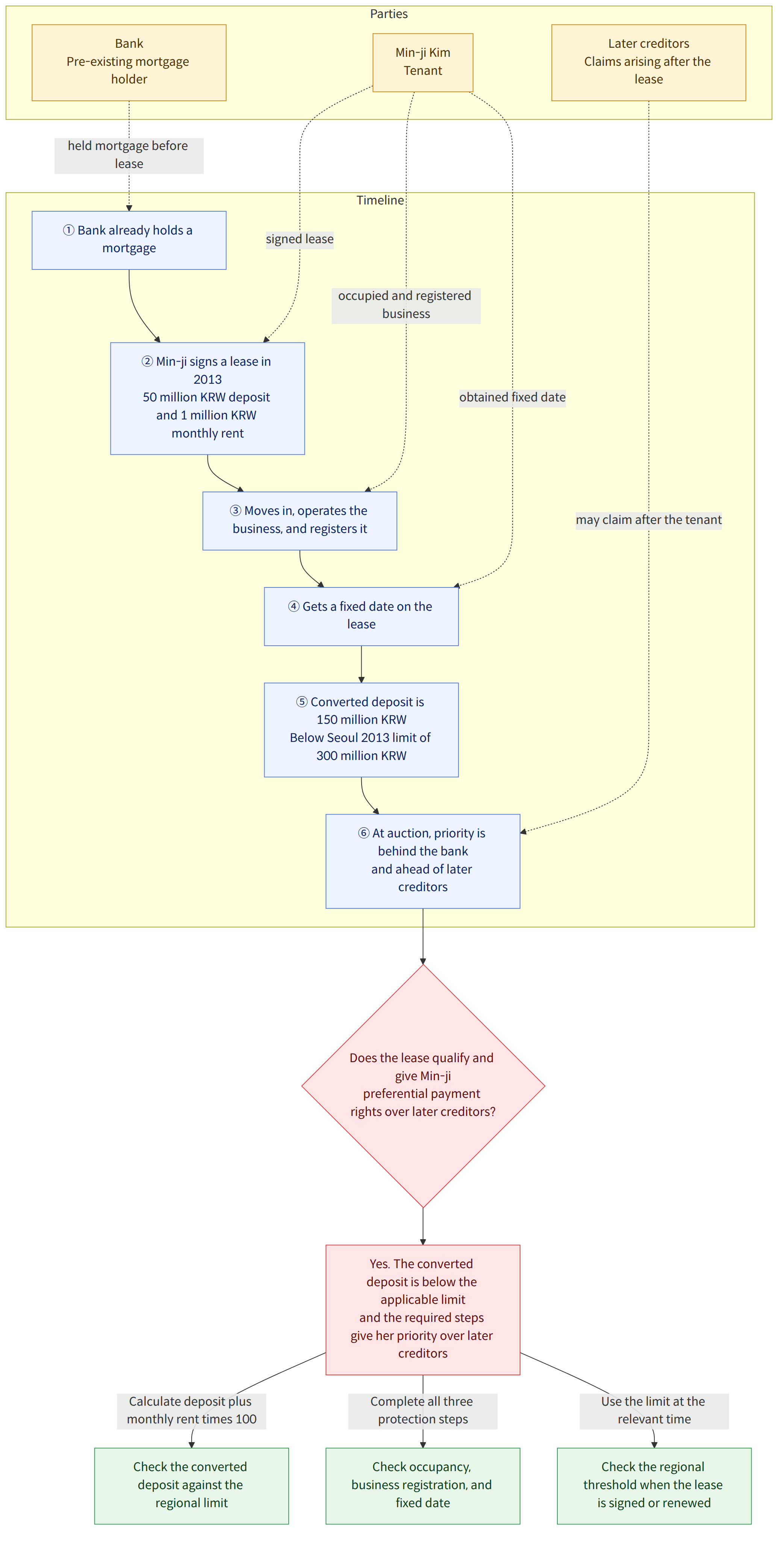
Min-ji Kim finally opened her boutique publishing house, 'Morning Calm Press,' in a cozy basement space in Mapo-gu, Seoul. She signed a lease with a 50 million KRW deposit and 1 million KRW monthly rent. This money represented her entire life savings. To be safe, she completed her business registration immediately after moving in and made sure to get a fixed date (Hwak-jeong-il-ja) stamp on her lease agreement at the tax office.
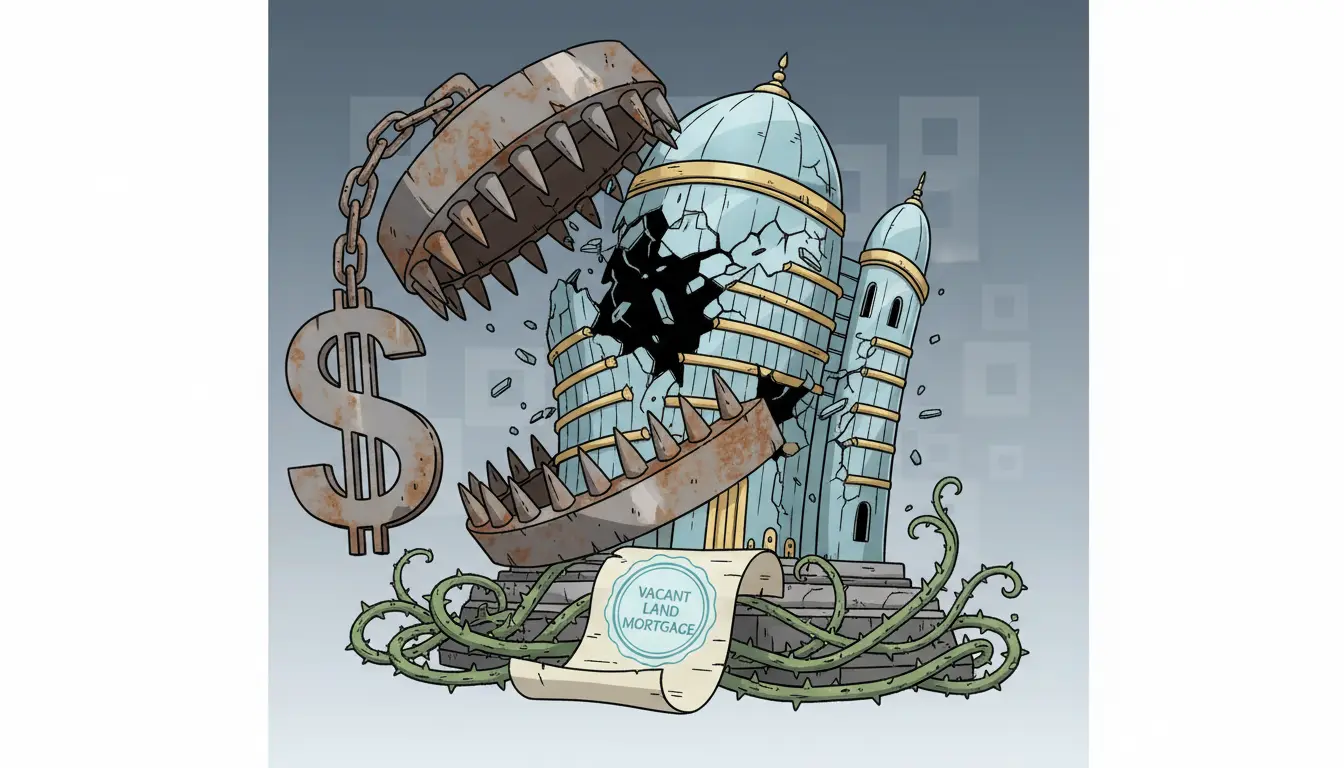
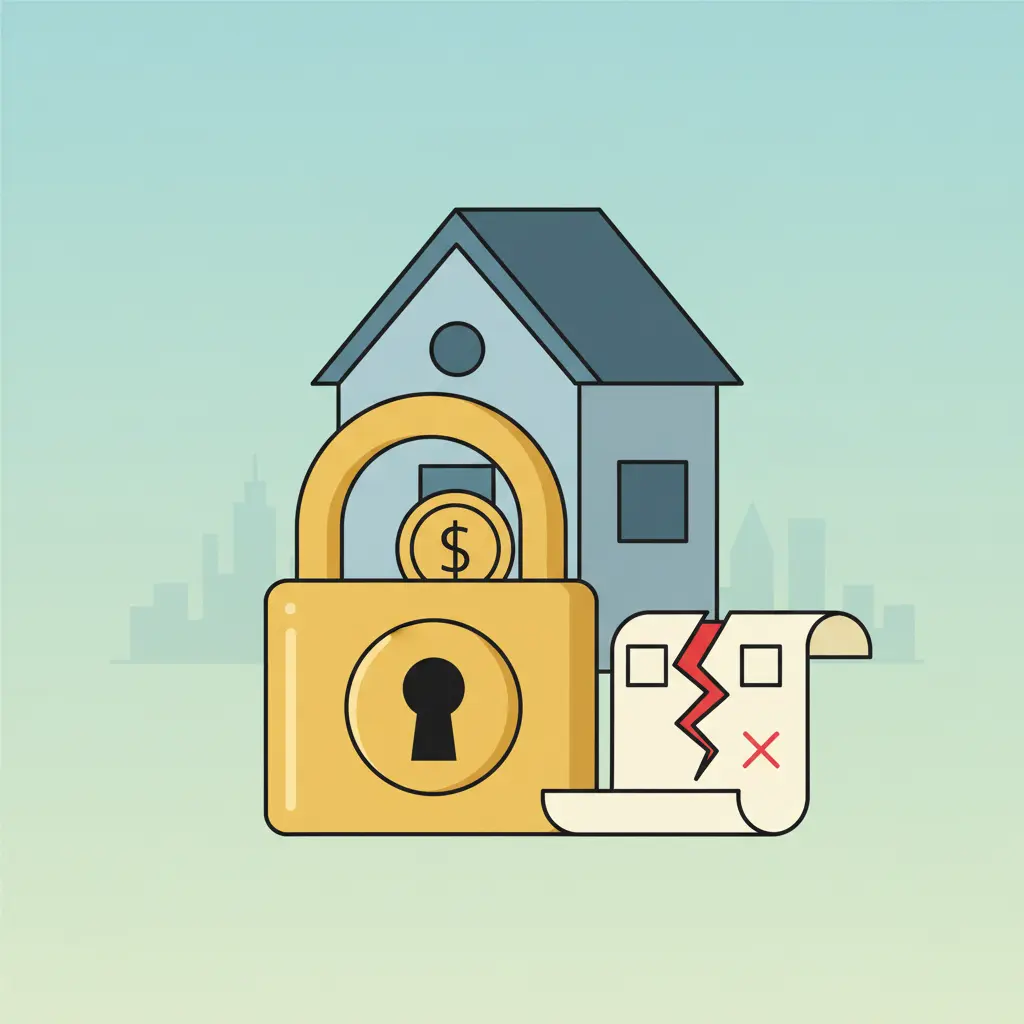
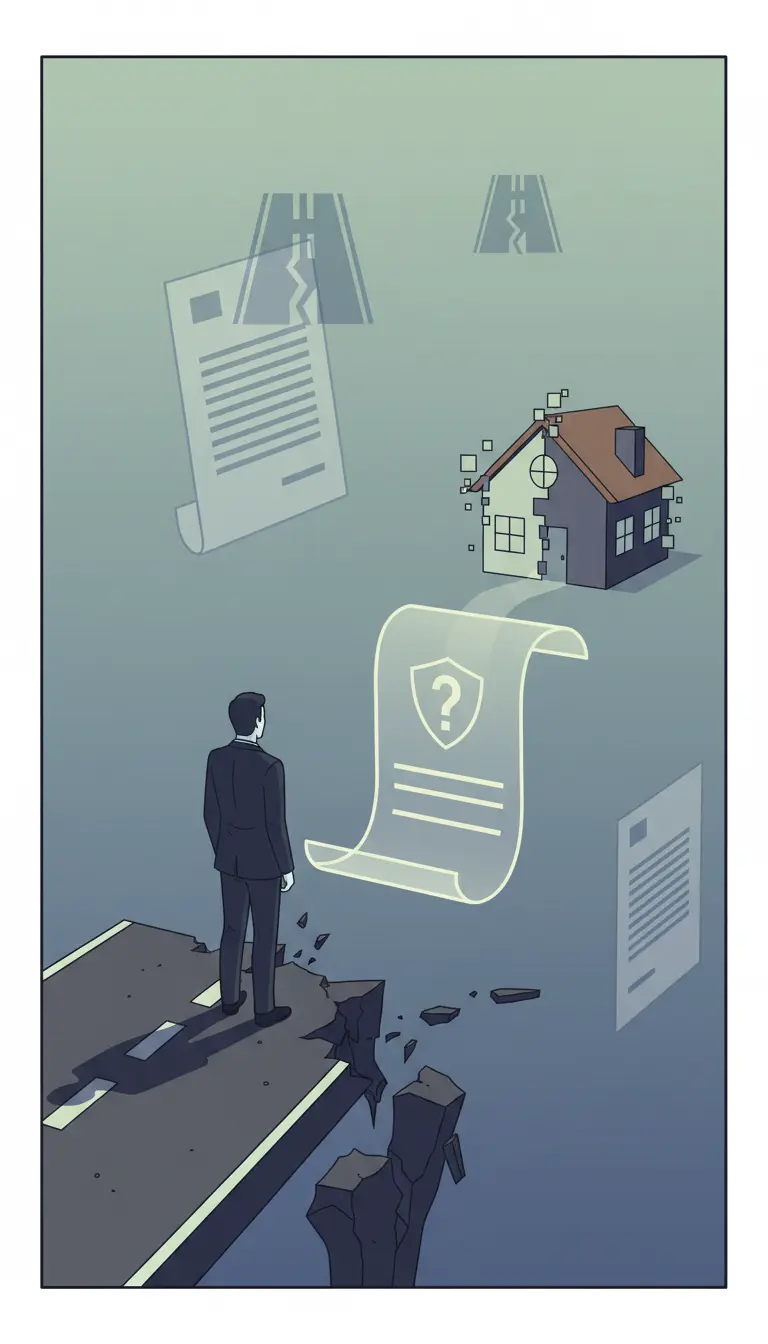
However, she soon discovered that the building already had a pre-existing mortgage held by a bank. She began to lose sleep, worrying that if the building ever went to auction, her deposit would vanish. Was she truly protected by the Commercial Building Lease Protection Act, or was her 'safety net' just a piece of paper?
2. The Legal Question: Is My Deposit Protected?
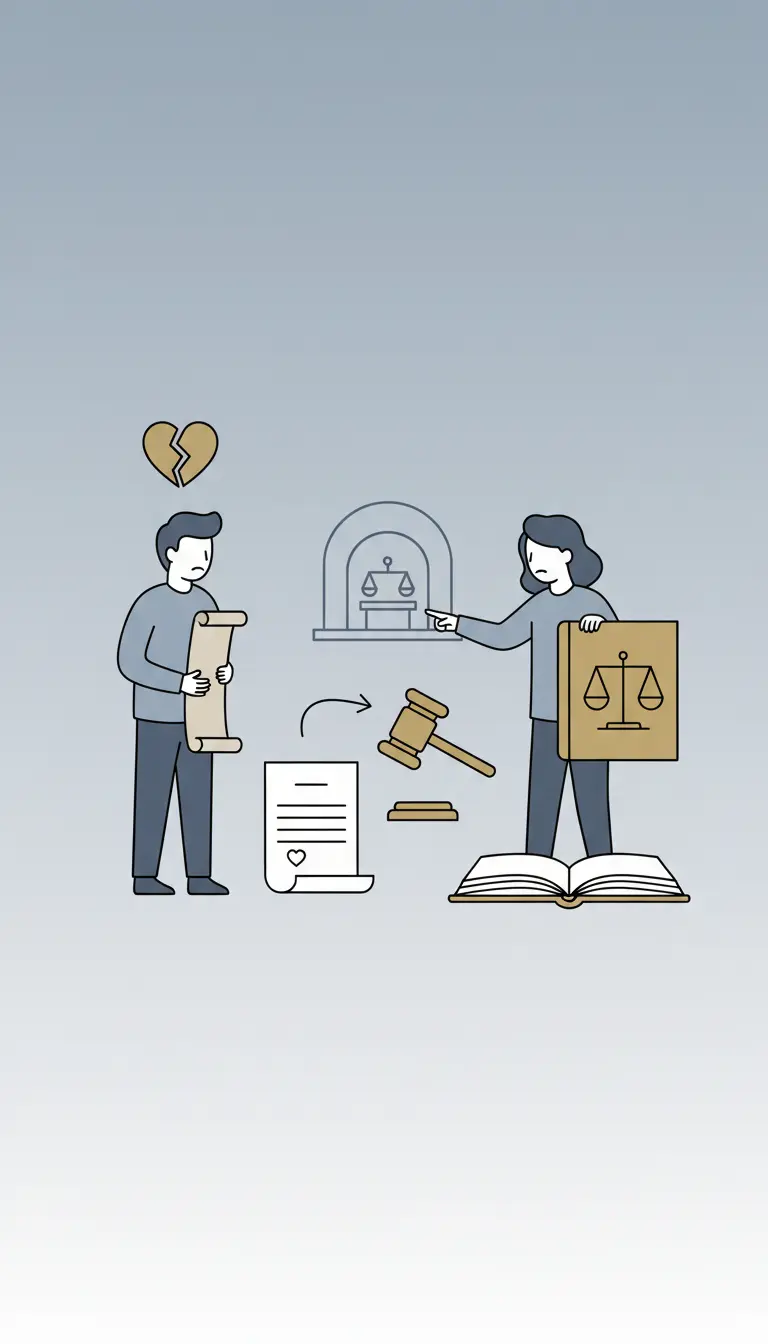
The core issues in Min-ji’s case are: First, does her lease fall within the scope of the Commercial Building Lease Protection Act? Second, if the building is auctioned off, does her fixed date grant her a Preferential Payment Right, allowing her to recover her deposit before other subsequent creditors?
3. What the Korean Commercial Building Lease Protection Act Says
The Commercial Building Lease Protection Act does not cover every commercial tenant. To focus protection on smaller businesses, the law applies only to leases where the deposit is below a certain threshold, determined by the economic conditions of each region. This threshold is calculated using the 'Converted Deposit'.
Commercial Building Lease Protection Act Article 2 (Scope of Application): This Act applies to leases of commercial buildings... However, this shall not apply to leases exceeding the deposit amount prescribed by Presidential Decree.
The formula for the Converted Deposit is:
- Converted Deposit = Deposit + (Monthly Rent × 100)
To secure legal protection, a tenant must meet three criteria:
- Occupancy: Physically occupying and operating the business in the building.
- Business Registration: Applying for registration at the local tax office.
- Fixed Date: Obtaining a certified date stamp on the lease agreement from the tax office.
4. How Korean Courts Approach This: The "Converted Deposit" Rule
Korean courts strictly apply the 'Converted Deposit' threshold. If a tenant’s calculated deposit exceeds the limit for their region at the time of the contract, they may be excluded from key protections like the Preferential Payment Right.
In 2013, when Min-ji signed her contract, the threshold for Seoul was 300 million KRW. (Note: This limit has increased over the years—to 400 million KRW in 2014, and significantly higher today.) The court looks at the law in effect at the time the lease was signed or renewed to determine eligibility.
5. Applying the Law to Min-ji’s Story
Let’s calculate Min-ji’s Converted Deposit. With a 50 million KRW deposit and 1 million KRW rent:
- 50,000,000 + (1,000,000 × 100) = 150,000,000 KRW
Min-ji’s Converted Deposit is 150 million KRW. Since this is well below the 300 million KRW limit for Seoul in 2013, she is fully covered under the Commercial Building Lease Protection Act.
Because she fulfilled the requirements of occupancy, business registration (granting her opposability against third parties), and obtaining a fixed date, she holds a Preferential Payment Right. While she cannot skip ahead of the bank that held the mortgage before she moved in, she is legally entitled to be paid before any creditors who came after her if the building is sold at auction.
6. Conclusion: Is Min-ji’s Deposit Safe?
In conclusion, Min-ji Kim is safe within the boundaries of the law. Should the building go to auction, she will be able to claim her 50 million KRW deposit before any subsequent lienholders. She may not be first in line, but she has successfully secured the strongest possible position available to her.
For readers in similar situations, here are a few professional tips:
- Do the Math First: Never look at the deposit alone. Always multiply your monthly rent by 100 and add it to the deposit to see if you fit under the regional threshold.
- Paperwork is Your Shield: Moving in and registering your business creates 'opposability.' The fixed date creates 'priority.' Do all three on your very first day of occupancy.
- Stay Updated on Thresholds: The law changes as the economy grows. Always check the current Presidential Decree for the latest Converted Deposit limits in your specific city or district.