1. A Human Story
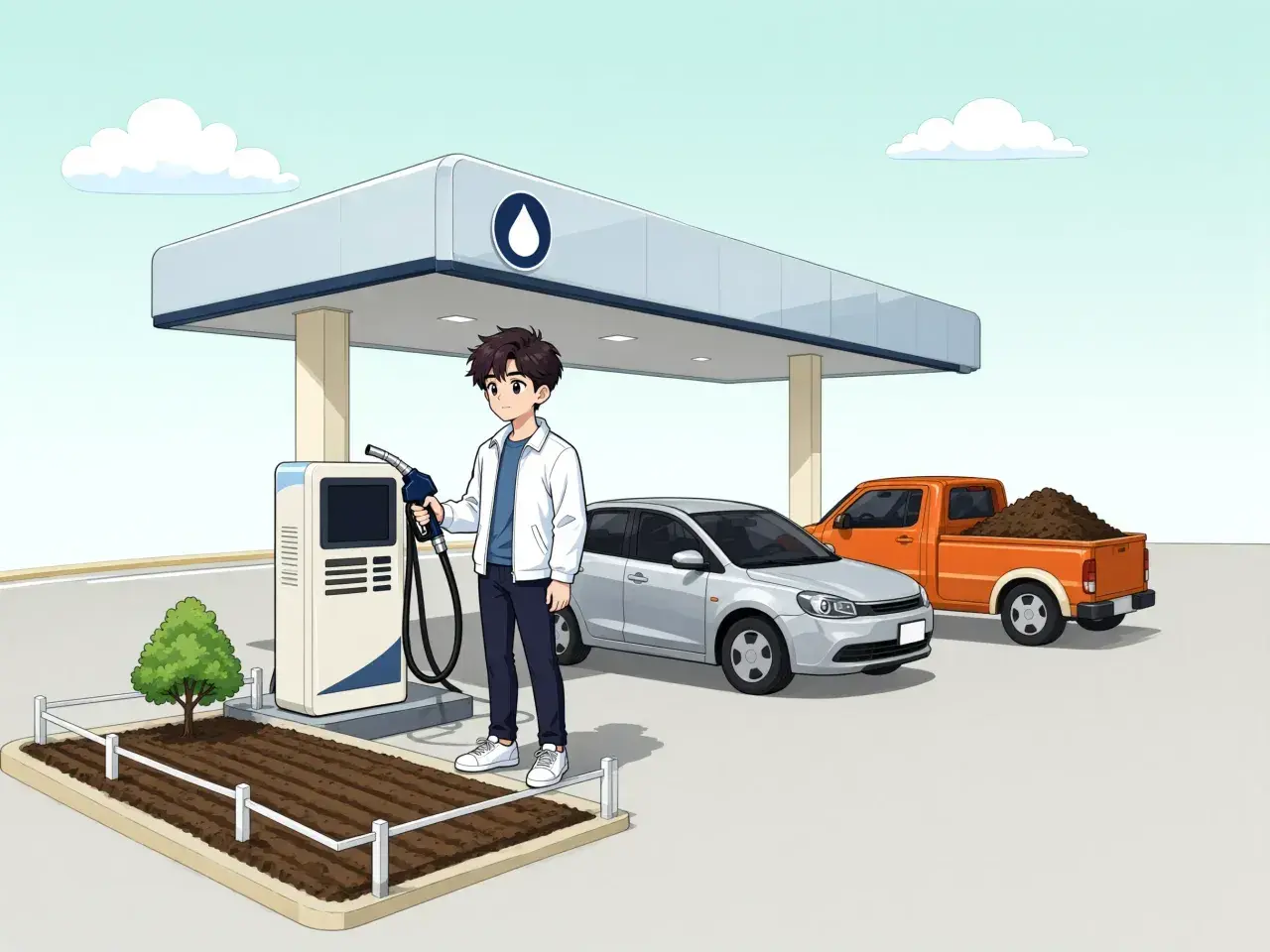
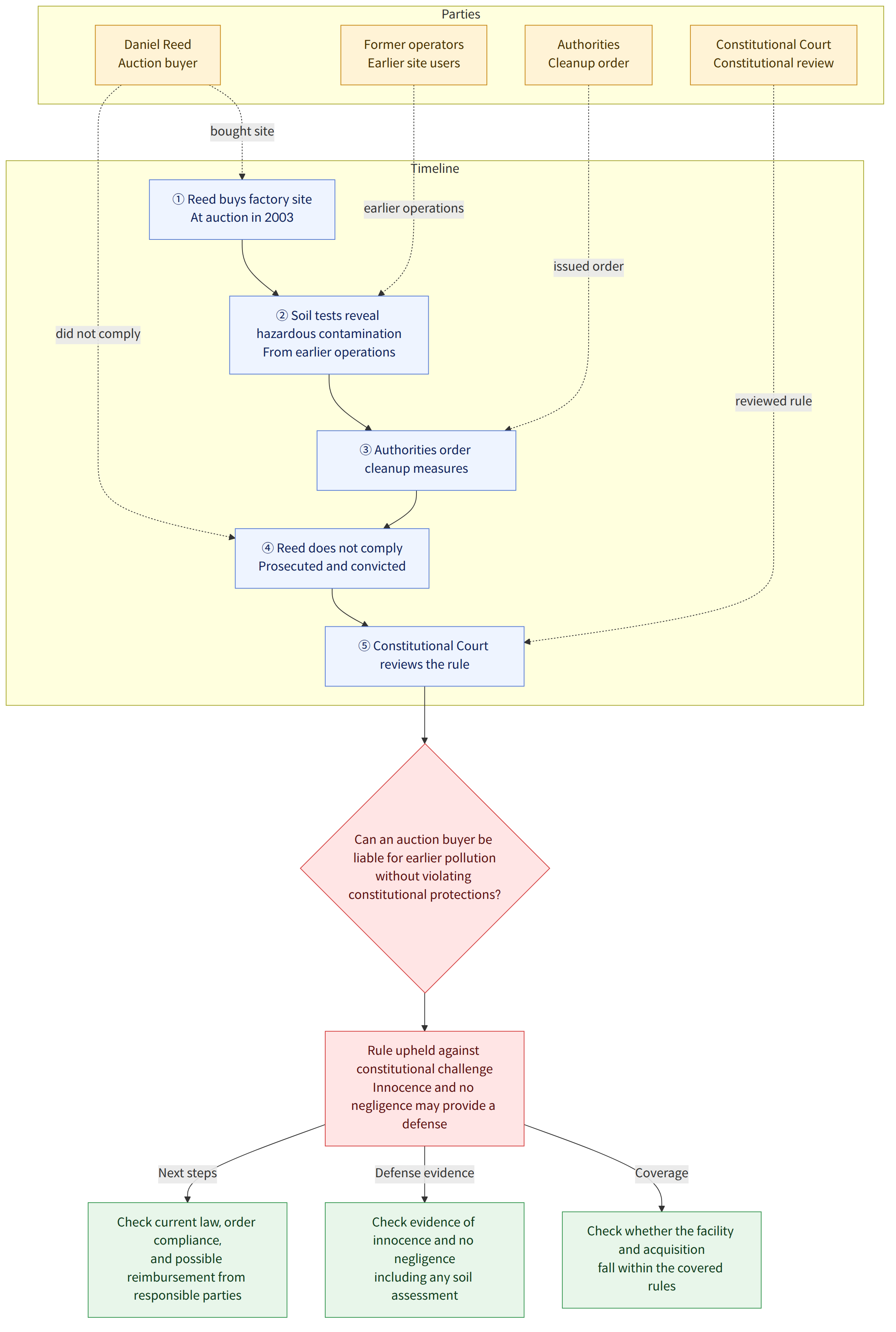
When Daniel Reed won a factory site at a court-supervised auction in 2003, he saw a chance to build a future on a property other buyers had passed over. The auction price was attractive, the machinery was still in place, and the site looked like a practical home for the small manufacturing business he planned to start.
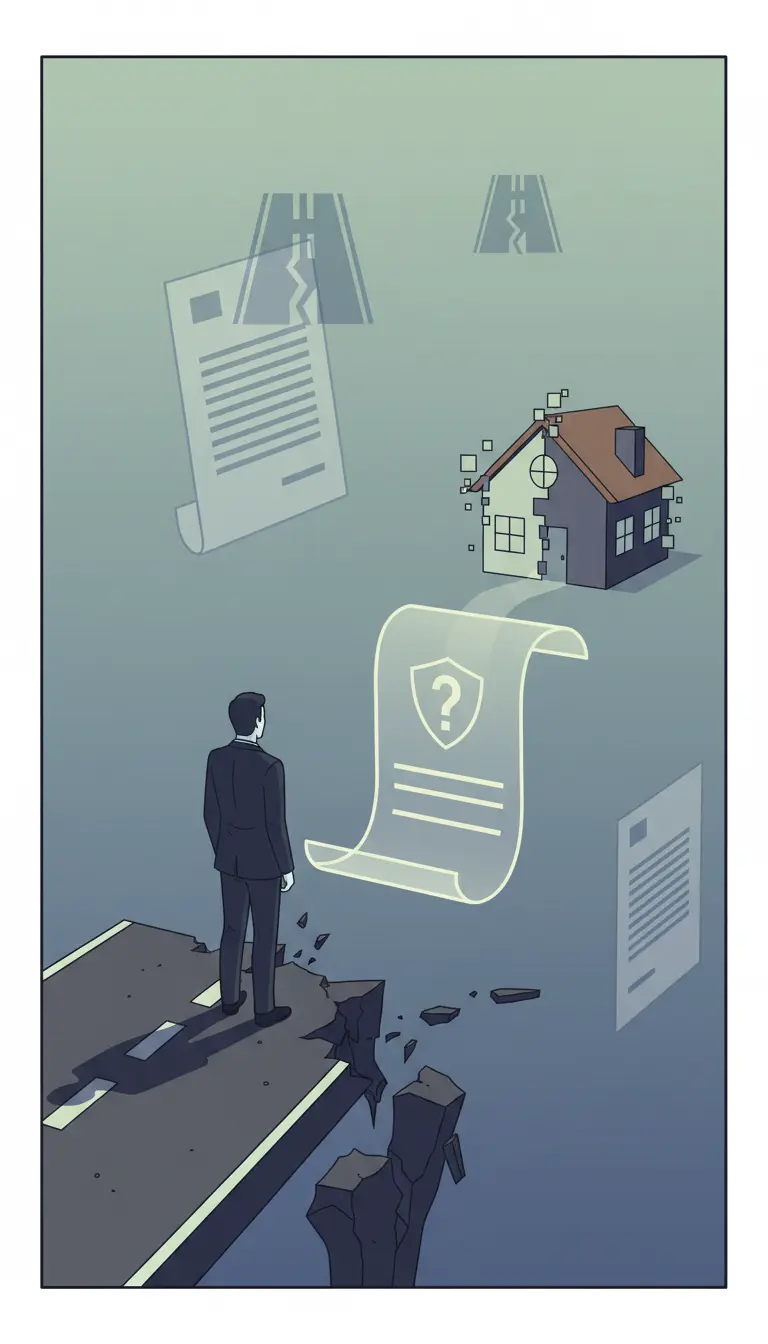
The trouble surfaced only after he took possession. Soil testing found hazardous substances above the applicable concern level. The contamination appeared to have come from the factory’s earlier operations, long before Daniel owned the land. Authorities ordered him to take cleanup measures. He believed the order was unfair: he had not caused the pollution, and he had bought the site through a legal auction. He did not carry out the order, was prosecuted, and was convicted.
Daniel’s case raises a difficult question: can Korean law make an auction buyer responsible for pollution created by someone else—and punish the buyer for failing to clean it up?
2. The Legal Question
The central issue is whether a person who acquires a soil-pollution management facility through a compulsory auction after January 1, 2002, may be treated as a polluter and ordered to clean up contamination that existed before the acquisition. The related constitutional question is whether that rule unfairly burdens the buyer’s property rights or violates the principle that people should be able to rely on the law as it stood when they acted.
3. What Korean Law Says
The relevant rule appeared in an earlier version of Korea’s Soil Environment Conservation Act. It treated certain people who acquired a regulated facility as pollution-causing parties, including acquirers who had not personally created the contamination. The rule applied to qualifying acquisitions from January 1, 2002 onward, including acquisitions through civil execution proceedings such as a compulsory auction.
The law’s practical aim is to identify someone with present control of a polluted site who can be required to arrange cleanup, rather than allowing contamination to remain while responsibility is disputed among past owners and operators.
That did not mean every new owner was inevitably liable. The law provided a route to avoid responsibility where the acquirer could establish that they were innocent and without negligence concerning the contamination. Soil environmental assessments, available from January 1, 2002, could help establish what the buyer knew or reasonably could have discovered when acquiring the property.
In broad terms, the key points are:
- The acquisition must involve a facility covered by the soil-pollution rules.
- The rule can reach acquisitions made through a court-supervised auction, not only ordinary negotiated sales.
- A buyer’s lack of personal involvement in creating the pollution does not, by itself, automatically eliminate responsibility.
- An acquirer may seek to establish that they were innocent and without negligence. A properly conducted soil environmental assessment may be important evidence.
- A person who receives a valid cleanup order and does not comply may face criminal consequences. The statute allows a fine as well as imprisonment, with no fixed minimum sentence, so the response can be tailored to the circumstances.
- The acquirer may also seek reimbursement from other responsible parties, particularly those who actually caused or substantially contributed to the pollution.
These principles concern the earlier statutory regime at issue in Daniel’s story. For any current property transaction or cleanup order, the applicable law and procedures should be checked in their current form.
4. How Korean Courts Approach This
Korean courts weigh the need to restore contaminated land against the burden imposed on a person who may not have caused the pollution. A central practical consideration is control: the present holder of a site may be in the best position to arrange prompt investigation and cleanup. Requiring authorities first to identify every past operator, prove each person’s share of responsibility, and locate them could delay action that protects public health and the environment.
But control is not the only consideration. Courts also examine whether the law leaves a meaningful way for an acquirer to show that imposing responsibility would be unjust. The availability of an innocence-and-no-negligence defense and the soil environmental assessment system matters because they can protect a buyer who took reasonable steps and had no fair opportunity to discover the problem.
In constitutional review of this rule, the Constitutional Court concluded that the law did not violate the principle of protecting legitimate reliance or the constitutional protection of property. It emphasized both the importance of timely soil cleanup and the safeguards available to acquirers. It also considered the criminal penalty proportionate in structure: fines were available, there was no statutory minimum sentence, and the circumstances—including the severity and duration of the pollution and the buyer’s contribution—could inform the punishment.
The constitutional ruling upheld the rule; it did not declare every cleanup order correct or make every auction buyer automatically guilty of a crime. The validity of a particular order, the availability of a defense, and proof of a criminal violation remain matters to assess in the individual case.
5. Applying the Law to the Case
Daniel’s situation can be analyzed step by step.
- The date matters. Daniel acquired the property in 2003, after the rule took effect on January 1, 2002. The fact that the acquisition occurred through a compulsory auction does not, by itself, place him outside the rule.
- The nature of the site matters. The property was an operating factory site with a facility subject to soil-pollution management. If the facility falls within the statutory category, Daniel could be treated as a responsible party because he acquired it—not because the law found that he personally caused the historic contamination.
- The pollution’s age does not automatically settle the issue in Daniel’s favor. The test results showed contamination above the applicable concern level, and the pollution appeared to predate his ownership. That fact is relevant, but the law was designed to allow responsibility to be imposed on a qualifying acquirer even for earlier contamination, subject to the available defense.
- Daniel’s knowledge and care are crucial. He could argue that he was innocent and without negligence. Evidence might include a soil environmental assessment conducted before or in connection with the acquisition, auction documents, inspection records, and communications showing what information was available. A buyer’s assertion that they did not know about contamination is not necessarily enough: the question also includes whether reasonable care would have uncovered it.
- The cleanup order and the prosecution are separate issues. Even if the statute is constitutional, Daniel could challenge whether the order was properly issued, whether it identified the required measures clearly, or whether he had a legally available basis not to comply. A conviction for ignoring the order depends on the elements of the offense being proved in his own case; it does not follow automatically from ownership alone.
- Responsibility to the public and recovery from others are distinct. If Daniel had to arrange cleanup, he could still pursue a claim for reimbursement against prior operators or other parties whose responsibility for the pollution was greater. That possibility does not necessarily suspend the authority’s ability to require prompt cleanup from the current acquirer.
The constitutional challenge, then, would not succeed merely because Daniel bought at auction or did not create the contamination. His strongest case would depend on evidence supporting the statutory defense or showing that the cleanup order or prosecution was legally defective.
6. Conclusion: What Happened, and What Should You Do?
On the facts described, Daniel’s constitutional challenge fails: Korean law could treat a qualifying buyer at a post-2001 auction as responsible for arranging cleanup, despite the contamination having begun before the purchase. If Daniel had no persuasive evidence that he was innocent and without negligence, and the cleanup order was valid and properly served, his failure to comply could support the conviction. That result does not mean the auction itself made him criminally guilty; the order and the alleged noncompliance still had to be legally established.
For anyone considering a potentially contaminated property—or already facing a cleanup order—three practical steps matter:
- Investigate before acquiring: arrange an appropriate soil environmental assessment and preserve the report, auction materials, and inspection records.
- Respond to orders promptly: obtain legal advice immediately, meet deadlines, and challenge an order through the proper process rather than simply ignoring it.
- Preserve recovery options: document cleanup costs and investigate claims against former operators or other parties who may have caused or contributed to the pollution.