1. A Human Story
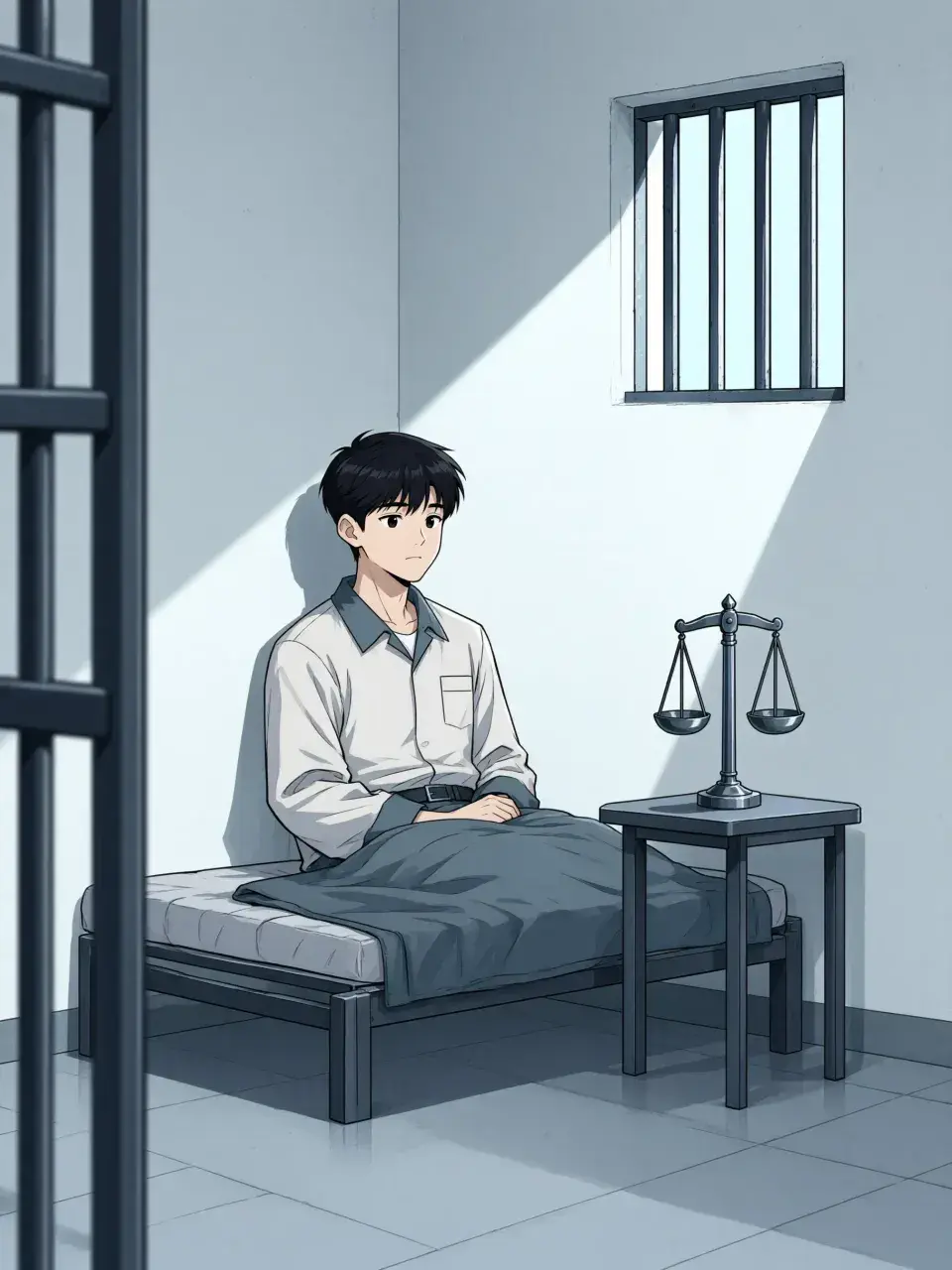
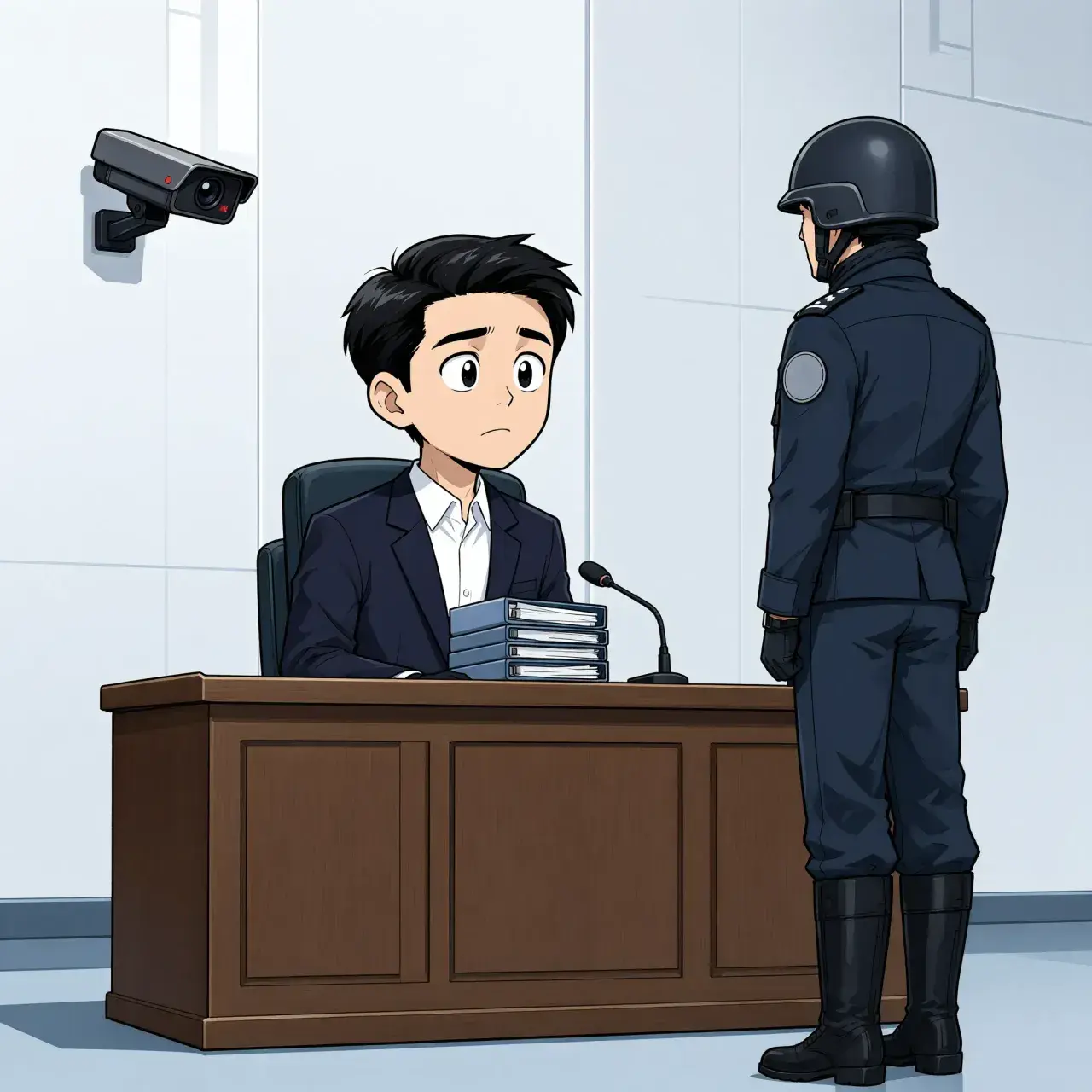
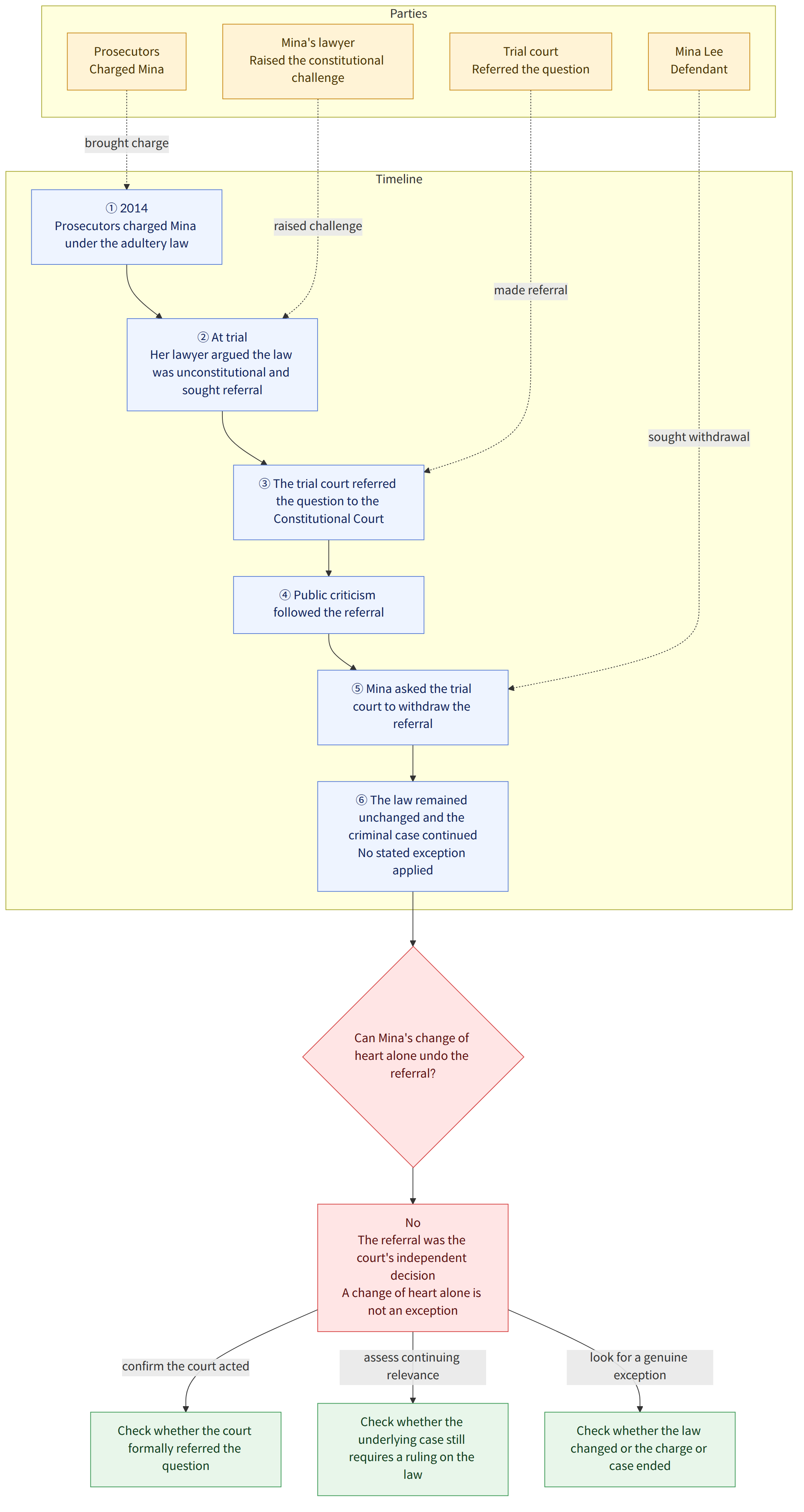
In 2014, Mina Lee, a celebrated Korean film star, found her private life turned into a public spectacle. Prosecutors charged her with adultery under a provision of the Criminal Act that was then still in force. As her criminal trial began, her lawyer argued that the law itself violated the Constitution and asked the trial court to refer the question to the Constitutional Court.
The trial court agreed and made the referral. Almost overnight, the story shifted from the charge against Mina to the constitutional challenge she had initiated. Commentators accused her of using the courts to avoid responsibility. Facing a wave of criticism, Mina asked the trial court to take back its referral. She wanted to stop the constitutional case and let the criminal proceedings continue without further public attention.
But the request came after the court—not Mina—had formally sent the constitutional question onward. That distinction would determine whether the court could simply undo what it had already decided.
2. The Legal Question
Once a Korean court has referred a law to the Constitutional Court for review, can it withdraw that referral because the defendant who first requested it no longer wants the challenge to proceed?
The general answer is no. A party may change their position, but the court’s referral is an independent judicial decision. It can ordinarily be withdrawn only if a narrow legal exception applies.
3. What Korean Law Says
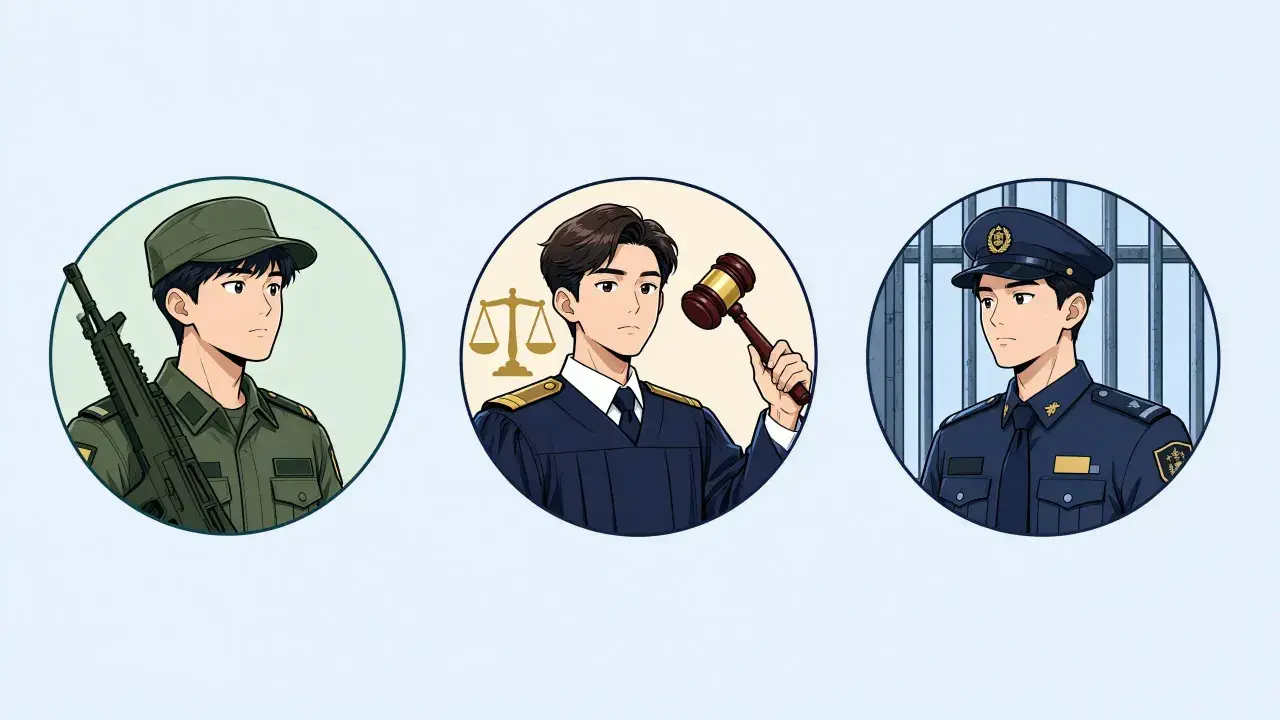
Korean courts may ask the Constitutional Court to review whether a statute is constitutional when the statute’s validity matters to the decision in a case before them. The referral is not merely the litigant’s application passed along to another court: the trial court must decide for itself that constitutional review is warranted.
The key principle: Once a court has made a referral, it is generally bound by that decision. The party who requested review cannot, by withdrawing the request, automatically cancel the court’s referral.
The referral may be withdrawn in limited situations where the reason for constitutional review has disappeared. These include:
- A change in the law: The relevant provision is amended or repealed, so its constitutionality is no longer a necessary question in the underlying case.
- The criminal charge is withdrawn: In a criminal case, the prosecution withdraws the indictment, leaving no charge for the trial court to decide.
- The underlying case ends: For example, the underlying civil or criminal proceeding ends because the claim or case is withdrawn, and the referring court no longer has a live case requiring resolution.
A party’s change of heart is different from a change in the legal basis for review. Public criticism, regret, or a desire to avoid attention does not, by itself, remove the court’s reason for making the referral.
4. How Korean Courts Approach This
Korean courts generally treat a constitutional referral as an exercise of judicial authority, not as a procedural request that belongs to the party who first raised the issue. Once the court has decided that the validity of a statute matters to the case and has referred that question, the referral has what is often described as self-binding force: the court cannot ordinarily reverse course simply because one side asks it to.
The practical focus is whether the underlying case still requires an answer about the statute. If it does, the constitutional question remains relevant even if the defendant no longer wishes to pursue it. If the case ends or the law changes so that the question no longer affects the outcome, the basis for keeping the referral may disappear—and withdrawal can then be appropriate.
This approach protects the court’s independent role and prevents constitutional review from turning on a litigant’s shifting preferences. It also keeps the limited exceptions tied to a genuine change in the case, rather than to pressure or publicity surrounding it.
5. Applying the Law to Mina’s Case
Mina’s situation can be assessed in a few steps:
- The trial court had already made the referral. Her original application led the court to consider the constitutional question, but the referral became the court’s own decision once it was issued.
- She later asked to withdraw her request. That change of position did not itself cancel the court’s referral. The court was not simply carrying out Mina’s instructions; it had decided that the law’s validity mattered to the pending criminal case.
- Public backlash did not end the case or change the law. The criticism Mina faced may have made her regret seeking review, but it did not withdraw the indictment, dispose of the criminal case, or amend or repeal the challenged provision.
- No stated exception applied at that point. Because the prosecution remained pending and the challenged law remained relevant, the legal basis for the referral had not disappeared. The court therefore had no ordinary basis to withdraw it merely because Mina wanted to stop the constitutional challenge.
In this fictional timeline, the referral remained before the Constitutional Court. In 2015, the Court ruled the former adultery offense unconstitutional. The adultery offense was then no longer a basis for criminal punishment, and Mina’s prosecution could not proceed under that provision. That later development—not her request to retreat from the referral—changed the legal landscape.
6. Conclusion: What Happened, and What Should You Do?
The trial court could not withdraw its referral simply because Mina had changed her mind under public pressure. The referral belonged to the court as a judicial decision, and none of the narrow circumstances for withdrawal had yet occurred. The constitutional question therefore continued. The later ruling against the adultery offense resolved the issue through the constitutional process, rather than through Mina’s attempted withdrawal.
This is a historical scenario. South Korea’s Constitutional Court struck down the former adultery offense in 2015, and adultery is no longer a crime under that provision.
If you face a similar procedural issue:
- Ask your lawyer what happens after a referral is issued. Withdrawing your own application may not end a referral the court has already made.
- Check whether the underlying case or the challenged law has actually changed. Those developments—not publicity or regret alone—may affect whether a referral can be withdrawn.
- Keep procedural decisions separate from public-relations concerns. Before seeking or abandoning constitutional review, get advice on how the step may affect both the main case and the constitutional proceedings.