1. A Human Story
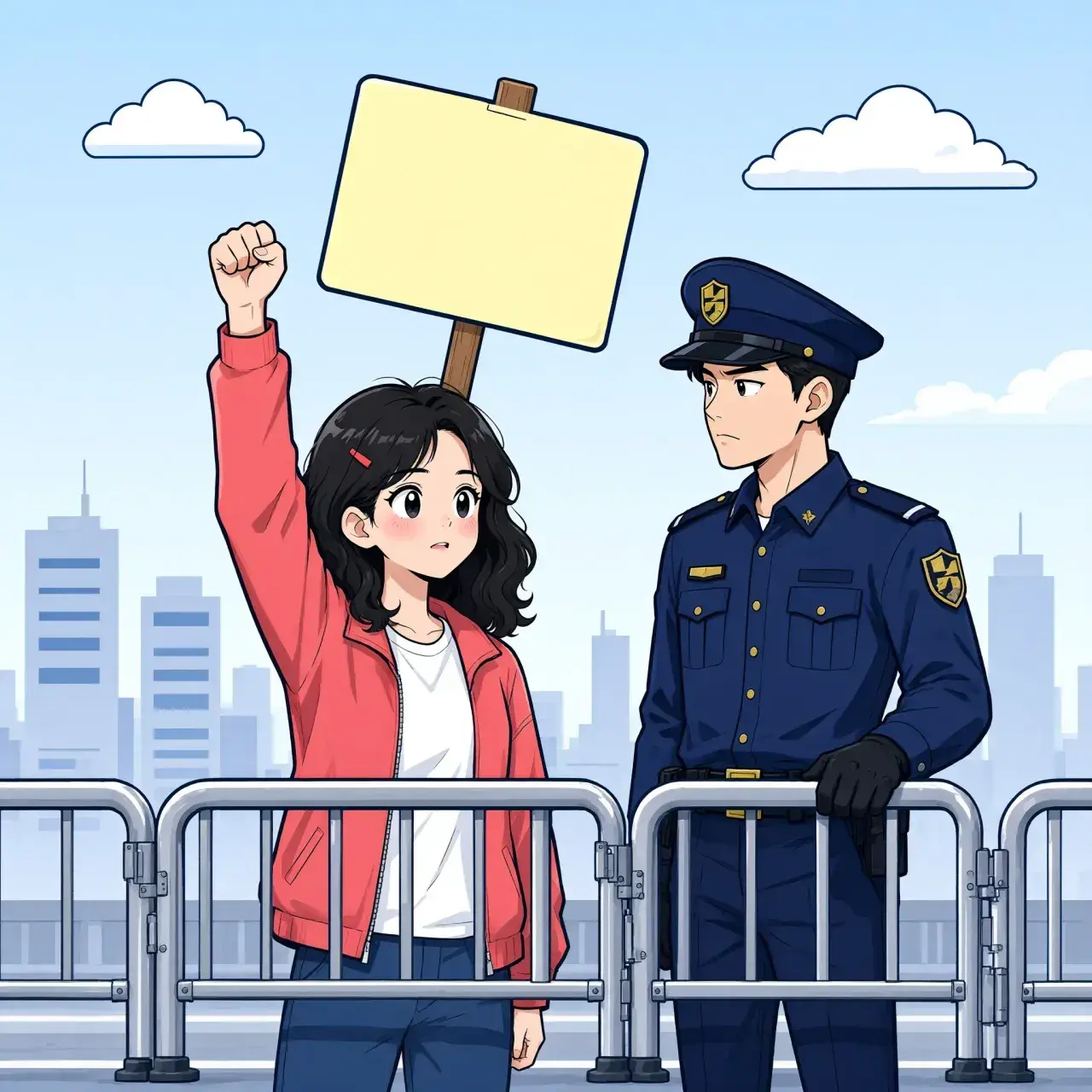
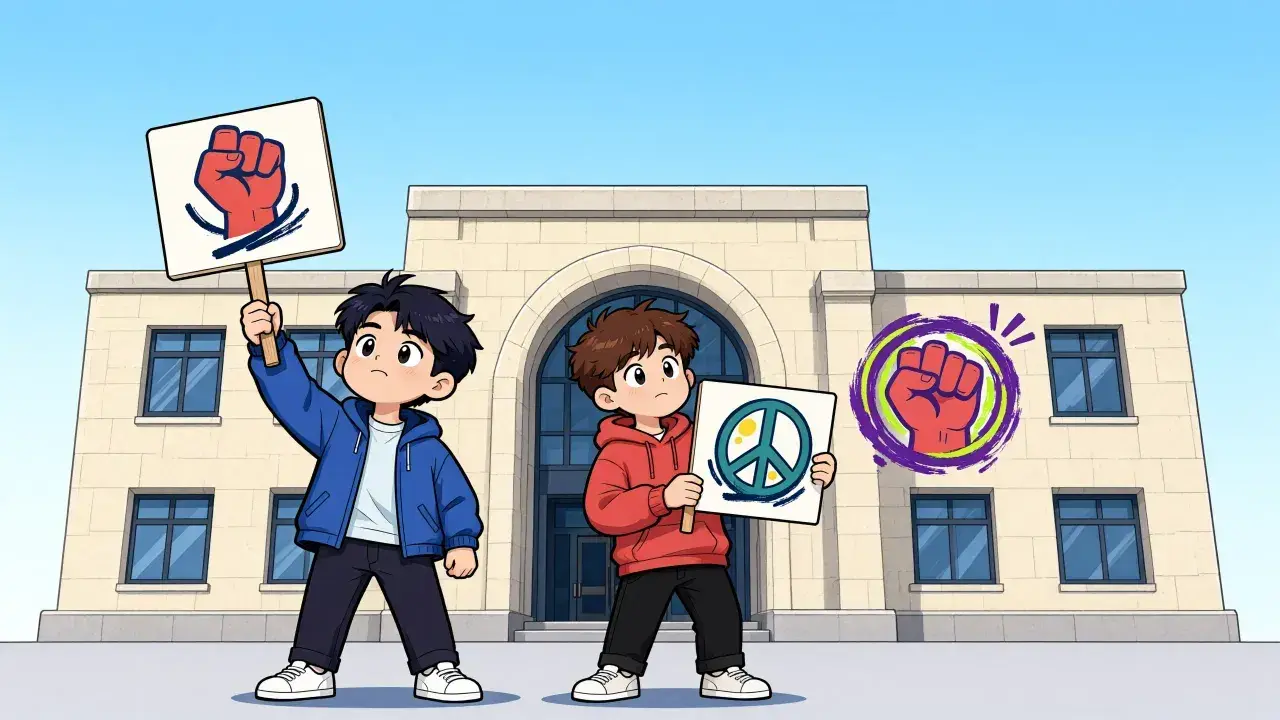
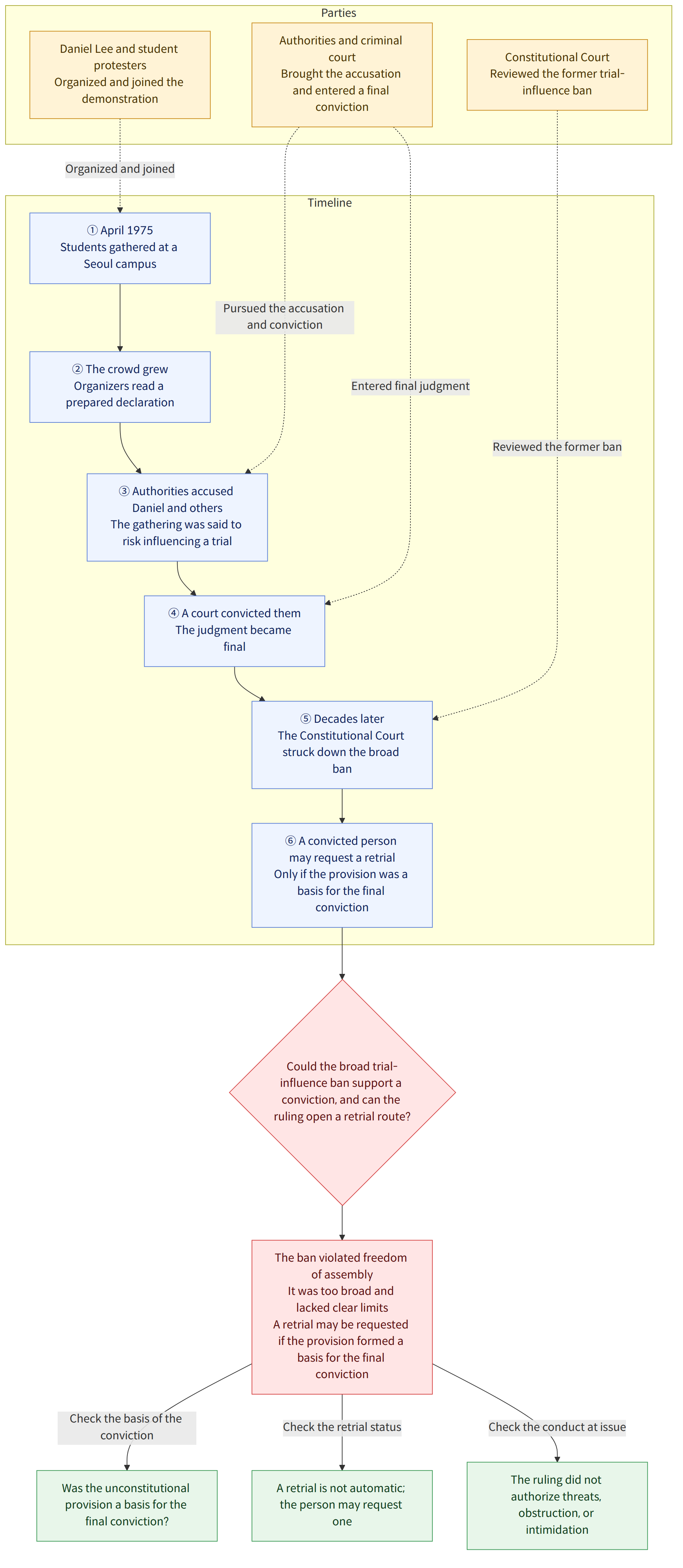
On an April morning in 1975, Daniel Lee, a fictional university student in Seoul, watched classmates gather around the campus’s main building. About 400 students began chanting for detained students to be released, for the Korean Central Intelligence Agency to be dismantled, and for President Park’s government to step down. They circled the building once. As the crowd grew to roughly 1,000, organizers handed out a prepared declaration and read it aloud.
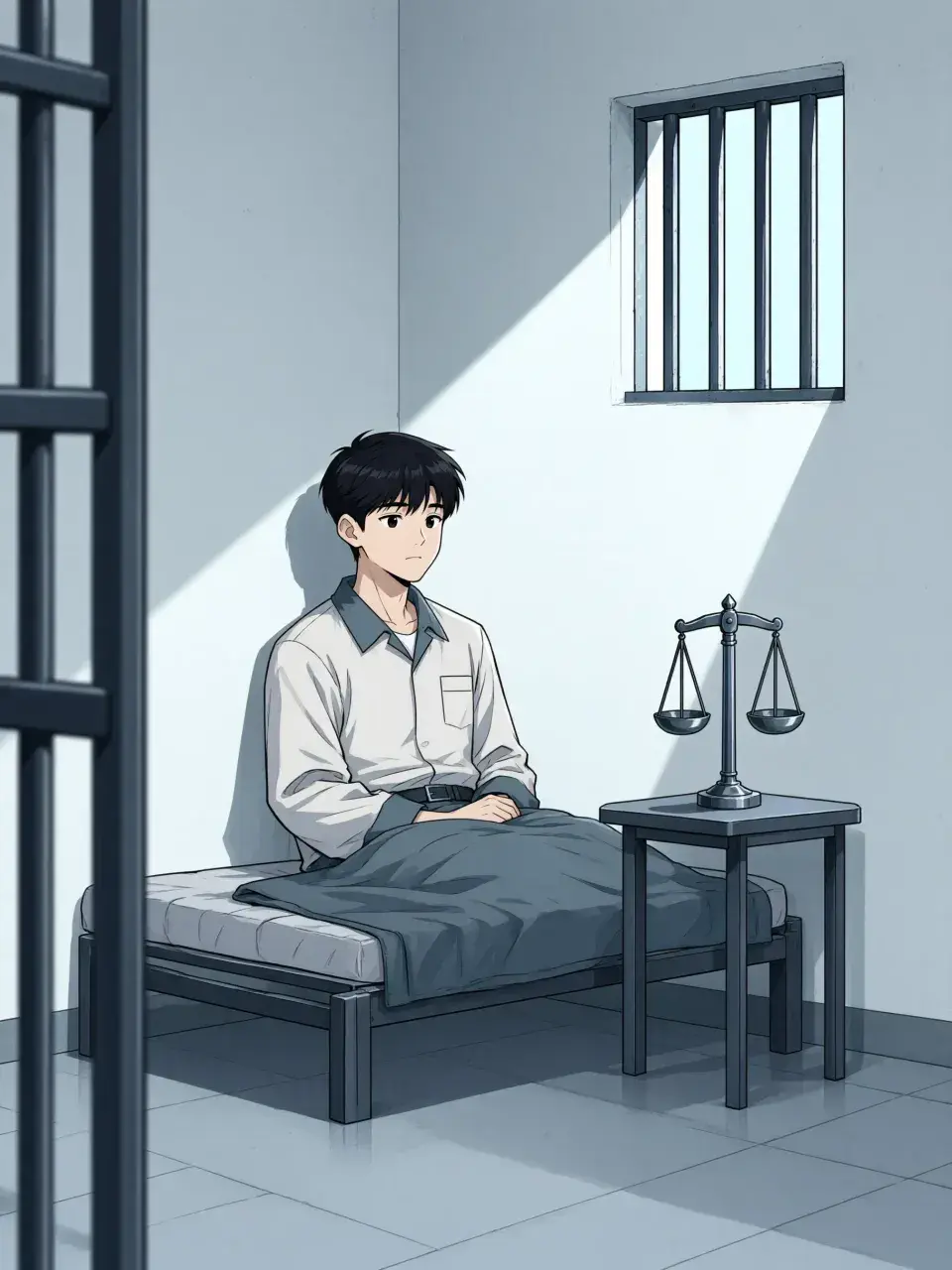
The demonstration was brief, but its consequences were not. Authorities accused Daniel and others of holding a gathering that might influence a trial, among other alleged offenses. A court convicted them, and the judgment became final. For years, Daniel’s protest was treated not merely as a political statement but as a crime because it was said to bear on judicial proceedings. Then, decades later, South Korea’s Constitutional Court reviewed the law behind that particular accusation.
2. The Legal Question
Could the government constitutionally prohibit and punish a demonstration simply because it might influence a trial—or was that prohibition so broad that it unlawfully deprived people of their freedom of assembly? And if a person was convicted under that provision, could the later constitutional ruling provide a route to a retrial?
3. What Korean Law Says
Freedom of assembly is a constitutional right. It protects peaceful collective expression, including public criticism of government and discussion of matters connected to legal proceedings. That protection does not mean every protest is lawful: the state may impose appropriately tailored rules to protect safety, public order, and the proper administration of justice. But restrictions must satisfy the principle of proportionality. In practical terms, a restriction must serve a legitimate purpose, be suitable and necessary to achieve it, and avoid imposing a burden disproportionate to the public benefit.
The former provision at issue barred gatherings or demonstrations that were likely to influence a trial, or were intended to do so, and made violations punishable. The Constitutional Court accepted that protecting judges’ independence and the fairness of judicial proceedings was a legitimate aim. It nevertheless found the ban unconstitutional because it swept too broadly and supplied no clear standard for deciding which gatherings crossed the line.
A law cannot satisfy constitutional limits merely by invoking an important goal. It must also define the prohibited conduct with adequate clarity and restrict rights no more than necessary.
The Court’s reasoning rested on several points:
- Judicial independence matters, but the exercise of judicial power must also remain accountable to the people from whom public authority derives.
- Fair criticism of a court or a proceeding can contribute to public scrutiny and may support, rather than undermine, confidence in justice.
- A blanket, advance ban on demonstrations considered capable of affecting a trial can suppress a wide range of legitimate collective expression.
- The law provided no workable criteria for identifying prohibited demonstrations, leaving people unable to know with reasonable certainty what speech would expose them to criminal punishment.
- Narrower measures were available. General rules governing outdoor gatherings, along with criminal laws addressing genuinely unlawful conduct, could protect judicial proceedings without banning trial-related expression as a category.
The Court therefore concluded that the provision failed the proportionality test and violated freedom of assembly. Under the Constitutional Court Act, when a criminal-punishment provision is held unconstitutional, the ruling has retroactive effect, and a person convicted on its basis may request a retrial.
A retrial is not automatic. The decisive question is whether the unconstitutional criminal provision was a basis for the final conviction.
4. How Korean Courts Approach This
Korean constitutional review weighs the state’s stated purpose against both the breadth of a restriction and the seriousness of its impact on a fundamental right. Protecting impartial courts is plainly important. But courts also examine whether a law targets a real and sufficiently defined danger, whether less restrictive tools could address it, and whether the public benefit justifies the harm to protected expression.
In reviewing the old ban, the Constitutional Court did not hold that demonstrations may be used to threaten judges, obstruct proceedings, or intimidate participants in a case. Its objection was to a rule that prohibited gatherings based on a vague possibility of influence, without giving the public a meaningful way to distinguish forbidden conduct from protected expression. The Court’s decision of September 29, 2016, applied that reasoning to the former statutory provision and found that it violated the freedom of assembly.
5. Applying the Law to the Case
Daniel’s situation can be assessed step by step.
- Identify the legal basis of the conviction. Daniel’s final judgment must be examined to determine whether the former ban on demonstrations likely to influence a trial was actually used to convict him. The later constitutional ruling matters only if that provision formed a basis for the judgment.
- Separate the protected expression from other alleged conduct. The slogans and public declaration described in Daniel’s case were collective political expression. The constitutional defect lay in treating a gathering as criminal simply because it might affect a trial, under a law that supplied no clear threshold. The ruling does not automatically invalidate separate convictions based on distinct, valid offenses.
- Apply the constitutional ruling to the old conviction. Because the provision imposed criminal punishment and was held unconstitutional, its invalidation operates retroactively under Korean law. Daniel may therefore ask for a retrial if his conviction rested on that provision.
- Let the retrial court examine the actual judgment. The court would need to review the charges, the findings, and the role the unconstitutional provision played. If the conviction depended on that provision, the basis for that part of the judgment cannot stand as it did before. If other independent grounds remain, the court must address them separately rather than treating the constitutional ruling as erasing every aspect of the case.
The constitutional decision does not itself establish what happened in Daniel’s fictional retrial. It does, however, give him a concrete legal route to ask a court to reconsider a conviction founded on the invalidated ban.
6. Conclusion: What Happened, and What Should You Do?
Daniel files for a retrial and shows that the final judgment relied on the former provision punishing demonstrations thought likely to influence a trial. On those facts, he has a strong basis to seek reconsideration: the Constitutional Court found that provision an excessive and insufficiently defined restriction on freedom of assembly, and Korean law permits a retrial where an unconstitutional criminal-punishment law formed the basis of a conviction. The court must still examine whether any separate, independent grounds for conviction remain.
For anyone facing a similar historical conviction:
- Obtain and review the final judgment. Identify the precise statutory provisions supporting each conviction, not just the allegations made at the time.
- Ask a Korean criminal-law practitioner to assess retrial eligibility. The key issue is whether the provision later held unconstitutional was a basis for the conviction and how other grounds affect the case.
- Keep the scope of the ruling in view. It rejects a sweeping ban on trial-related demonstrations; it does not create immunity for threats, obstruction, or other independently unlawful conduct.